
Our Products
Comprehensive industrial automation solutions for global industries
Contact us
If you are interested in our products and want to know more details,please Contact us,we will reply you as soon as we can.
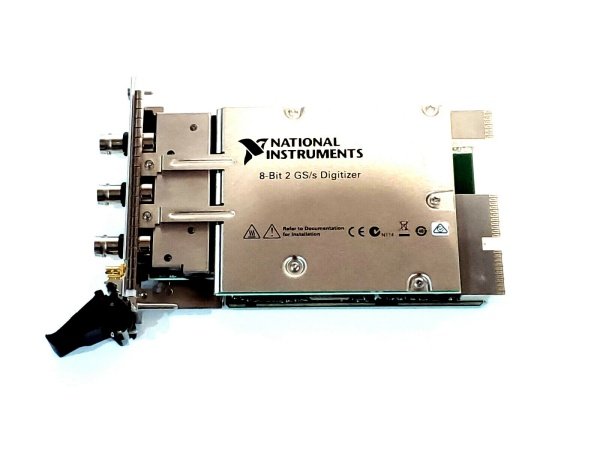
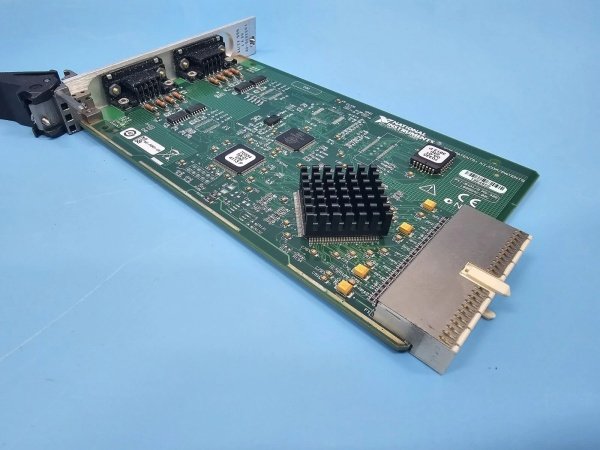
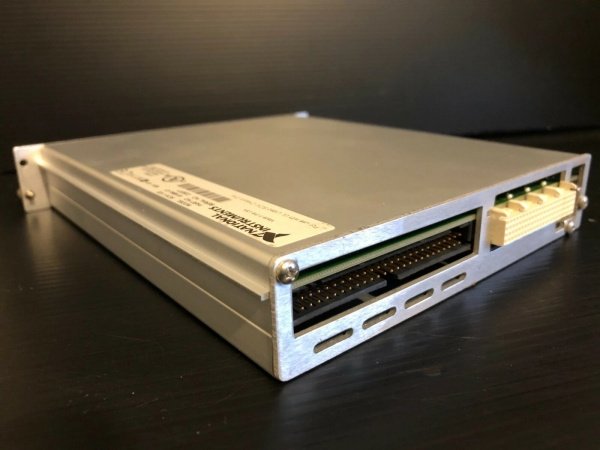
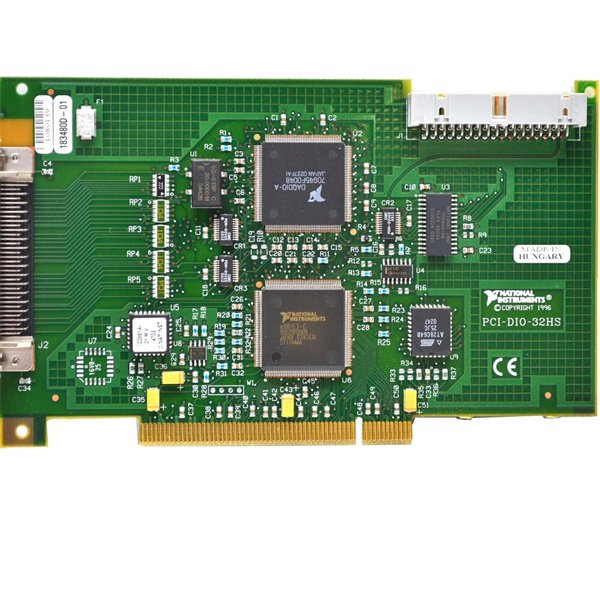
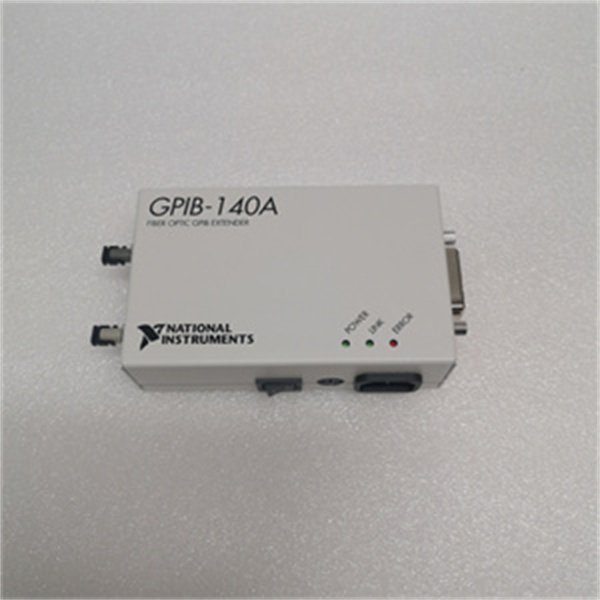
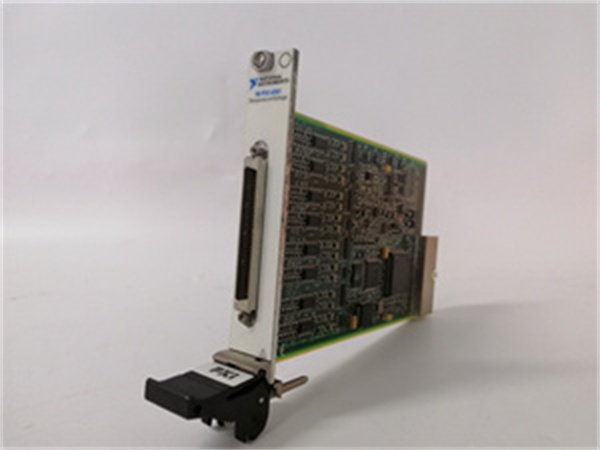
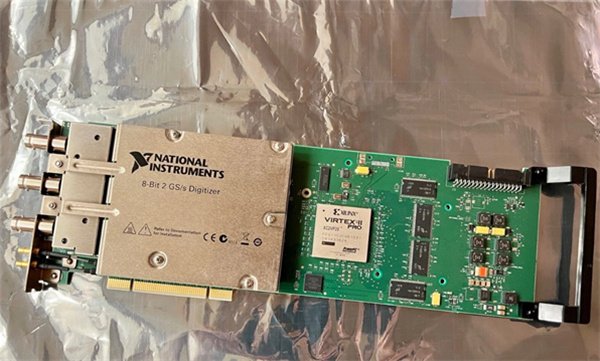
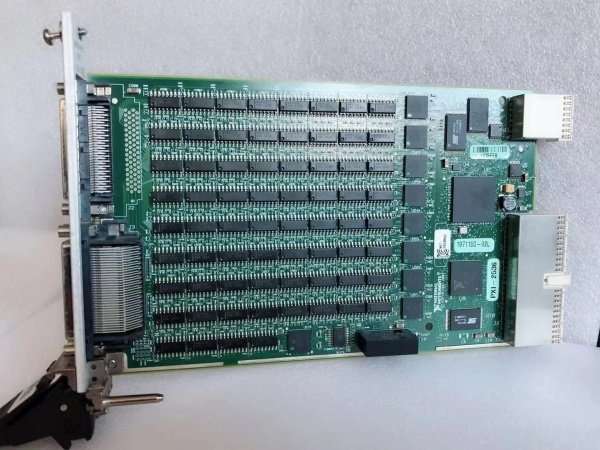
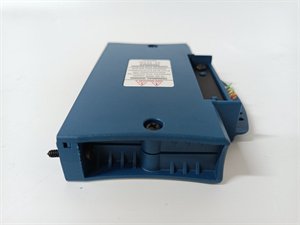
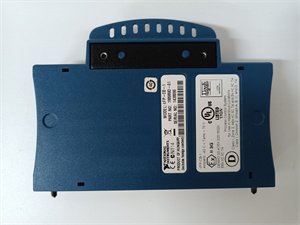
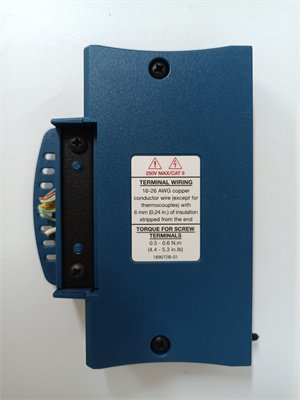
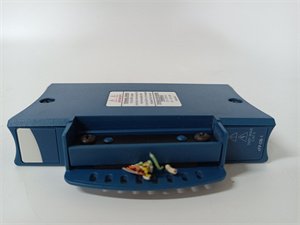
NI CFP-CB-1 Compact FieldPoint Connector Block
Manufacturer: National Instruments (NI)
Product Number: CFP-CB-1
Category: Connector Block (Compact FieldPoint)
Number of Positions: 36
Wire Gauge: AWG 12-24
Operating Temperature: -40°C to +70°C
Application: Critical interface between field sensors/actuators and cFP I/O modules
Product Description
The NI CFP-CB-1 is a rugged, versatile connector block designed exclusively for National Instruments’ Compact FieldPoint (cFP) I/O modules, serving as the critical interface between field sensors/actuators and the modular automation system. As a foundational accessory in NI’s industrial measurement ecosystem, NI CFP-CB-1 simplifies wiring complexity in harsh environments while ensuring signal integrity for precision measurements.
This connector block integrates seamlessly with all Compact FieldPoint I/O modules, including analog input modules like the NI CFP-AI-100, by converting the module’s high-density 37-pin D-sub connector into 36 easily accessible screw terminals. The inclusion of 4 built-in cold-junction compensation (CJC) sensors makes NI CFP-CB-1 particularly valuable for thermocouple-based temperature monitoring, eliminating the need for external compensation hardware. Whether deployed in factory automation, energy production, or environmental monitoring, NI CFP-CB-1 enhances system reliability by providing secure, organized connections that withstand industrial stressors.
Detailed parameter table
| Parameter name | Parameter value |
| Product model | NI CFP-CB-1 |
| Manufacturer | National Instruments (NI) |
| Product category | Compact FieldPoint Connector Block |
| Terminal Configuration | 36 screw terminals (18 pairs) with captive screws |
| Interface Type | 37-pin D-sub connector (mates with Compact FieldPoint modules) |
| Cold-Junction Compensation | 4 integrated CJC sensors (for thermocouple measurements) |
| Voltage Rating | 250 Vrms (insulation); 2300 Vrms (transient overvoltage) |
| Current Rating | 4 A (V and C terminals); 2 A (all other terminals) |
| Operating Temperature Range | -40 °C to 70 °C |
| Storage Temperature Range | -55 °C to 85 °C |
| Maximum Cable Diameter | 8 mm |
| Dimensions (L×W×H) | 130 mm × 90 mm × 25 mm |
| Mounting Options | DIN rail (35 mm) or panel mount via integrated holes |
Core advantages and technical highlights
Integrated cold-junction compensation: A standout feature of NI CFP-CB-1 is its 4 built-in CJC sensors, which eliminate the need for external temperature compensation components when working with thermocouples. This integration reduces wiring complexity and improves measurement accuracy, as the sensors are positioned close to the thermocouple terminals to minimize ambient temperature gradients. For applications like industrial oven monitoring with NI CFP-AI-100, this ensures precise temperature readings even as cabinet temperatures fluctuate.
Industrial-grade durability and safety: NI CFP-CB-1 is engineered to thrive in harsh environments, with a -40 °C to 70 °C operating range and robust insulation rated for 250 Vrms continuous and 2300 Vrms transient overvoltages. The screw terminals accept 22-14 AWG wires (solid or stranded) with secure captive screws, preventing accidental disconnections in high-vibration settings such as manufacturing lines or mobile equipment. This durability ensures NI CFP-CB-1 maintains signal integrity in conditions that would degrade standard terminal blocks.
Simplified wiring and maintenance: With 36 clearly labeled screw terminals (organized into 18 differential pairs), NI CFP-CB-1 simplifies sensor wiring and troubleshooting. Each terminal is marked with corresponding channel identifiers, reducing the risk of wiring errors during installation. The block also includes integrated strain relief and cable management features, such as tie-down points, to secure cables and prevent strain on connections. This design minimizes downtime during maintenance, as technicians can quickly identify and access specific channels without disrupting the entire system.
Typical application scenarios
In food and beverage processing, NI CFP-CB-1 plays a critical role in temperature monitoring systems for pasteurization lines. Paired with NI CFP-AI-100 analog input modules and K-type thermocouples, NI CFP-CB-1 connects 8 temperature sensors positioned along the pasteurization tunnel. Its built-in CJC sensors ensure accurate temperature readings (±0.5 °C) across the line’s 60 °C to 90 °C operating range, while the rugged terminals withstand frequent washdowns and humidity.
In renewable energy, NI CFP-CB-1 is deployed in solar inverter monitoring systems. Mounted in outdoor enclosures with NI CFP-1804 chassis, it connects voltage and current transducers to NI CFP-AI-100 modules. The block’s wide temperature tolerance (-40 °C to 70 °C) ensures reliable operation in desert or high-altitude installations, while its 250 Vrms insulation rating protects sensitive electronics from voltage spikes. Technicians benefit from the labeled terminals when servicing the system, reducing maintenance time in remote locations.
In water treatment plants, NI CFP-CB-1 facilitates seamless integration of pH, turbidity, and pressure sensors with Compact FieldPoint controllers. The terminal block’s 4 A current rating supports powering loop-powered sensors, eliminating the need for external power supplies. Its organized terminal layout simplifies reconfiguration when adding new sensors, ensuring the plant can adapt to changing regulatory requirements without extensive rewiring.
Installation, commissioning and maintenance instructions
Installation preparation: Before installing NI CFP-CB-1, ensure the mounting surface (DIN rail or panel) is clean, dry, and within the -40 °C to 70 °C operating range. Use a 35 mm DIN rail or M3 screws for panel mounting, ensuring the block is secured to prevent movement in high-vibration environments. Gather tools: a torque screwdriver (set to 0.5 N·m), wire strippers (for 22-14 AWG), and ferrules (recommended for stranded wires). Power off the Compact FieldPoint chassis before connecting NI CFP-CB-1 to avoid electrical hazards. Align the 37-pin D-sub connector with the mating module and secure with thumbscrews to ensure a proper seal against dust and moisture.
Maintenance suggestions: Inspect NI CFP-CB-1 terminals monthly for corrosion, especially in humid or chemical environments—clean with a dry, lint-free cloth and apply anti-corrosion spray if needed. Check terminal screws for tightness using the torque screwdriver to prevent signal degradation from loose connections. Calibrate the integrated CJC sensors annually using a precision temperature reference to maintain thermocouple measurement accuracy. If replacing NI CFP-CB-1, label wires before disconnecting to simplify reconnection, and verify all connections match the terminal labels post-installation. Avoid exposing the block to temperatures beyond its rated range, as this can degrade the CJC sensors and insulation over time.
 Loading comments...
NI CFP-CB-1 Compact FieldPoint Connector Block
Manufacturer: National Instruments (NI)
Product Number: CFP-CB-1
Category: Connector Block (Compact FieldPoint)
Number of Positions: 36
Wire Gauge: AWG 12-24
Operating Temperature: -40°C to +70°C
Application: Critical interface between field sensors/actuators and cFP I/O modules
Product Description
The NI CFP-CB-1 is a rugged, versatile connector block designed exclusively for National Instruments’ Compact FieldPoint (cFP) I/O modules, serving as the critical interface between field sensors/actuators and the modular automation system. As a foundational accessory in NI’s industrial measurement ecosystem, NI CFP-CB-1 simplifies wiring complexity in harsh environments while ensuring signal integrity for precision measurements.
This connector block integrates seamlessly with all Compact FieldPoint I/O modules, including analog input modules like the NI CFP-AI-100, by converting the module’s high-density 37-pin D-sub connector into 36 easily accessible screw terminals. The inclusion of 4 built-in cold-junction compensation (CJC) sensors makes NI CFP-CB-1 particularly valuable for thermocouple-based temperature monitoring, eliminating the need for external compensation hardware. Whether deployed in factory automation, energy production, or environmental monitoring, NI CFP-CB-1 enhances system reliability by providing secure, organized connections that withstand industrial stressors.
Detailed parameter table
| Parameter name | Parameter value |
| Product model | NI CFP-CB-1 |
| Manufacturer | National Instruments (NI) |
| Product category | Compact FieldPoint Connector Block |
| Terminal Configuration | 36 screw terminals (18 pairs) with captive screws |
| Interface Type | 37-pin D-sub connector (mates with Compact FieldPoint modules) |
| Cold-Junction Compensation | 4 integrated CJC sensors (for thermocouple measurements) |
| Voltage Rating | 250 Vrms (insulation); 2300 Vrms (transient overvoltage) |
| Current Rating | 4 A (V and C terminals); 2 A (all other terminals) |
| Operating Temperature Range | -40 °C to 70 °C |
| Storage Temperature Range | -55 °C to 85 °C |
| Maximum Cable Diameter | 8 mm |
| Dimensions (L×W×H) | 130 mm × 90 mm × 25 mm |
| Mounting Options | DIN rail (35 mm) or panel mount via integrated holes |
Core advantages and technical highlights
Integrated cold-junction compensation: A standout feature of NI CFP-CB-1 is its 4 built-in CJC sensors, which eliminate the need for external temperature compensation components when working with thermocouples. This integration reduces wiring complexity and improves measurement accuracy, as the sensors are positioned close to the thermocouple terminals to minimize ambient temperature gradients. For applications like industrial oven monitoring with NI CFP-AI-100, this ensures precise temperature readings even as cabinet temperatures fluctuate.
Industrial-grade durability and safety: NI CFP-CB-1 is engineered to thrive in harsh environments, with a -40 °C to 70 °C operating range and robust insulation rated for 250 Vrms continuous and 2300 Vrms transient overvoltages. The screw terminals accept 22-14 AWG wires (solid or stranded) with secure captive screws, preventing accidental disconnections in high-vibration settings such as manufacturing lines or mobile equipment. This durability ensures NI CFP-CB-1 maintains signal integrity in conditions that would degrade standard terminal blocks.
Simplified wiring and maintenance: With 36 clearly labeled screw terminals (organized into 18 differential pairs), NI CFP-CB-1 simplifies sensor wiring and troubleshooting. Each terminal is marked with corresponding channel identifiers, reducing the risk of wiring errors during installation. The block also includes integrated strain relief and cable management features, such as tie-down points, to secure cables and prevent strain on connections. This design minimizes downtime during maintenance, as technicians can quickly identify and access specific channels without disrupting the entire system.
Typical application scenarios
In food and beverage processing, NI CFP-CB-1 plays a critical role in temperature monitoring systems for pasteurization lines. Paired with NI CFP-AI-100 analog input modules and K-type thermocouples, NI CFP-CB-1 connects 8 temperature sensors positioned along the pasteurization tunnel. Its built-in CJC sensors ensure accurate temperature readings (±0.5 °C) across the line’s 60 °C to 90 °C operating range, while the rugged terminals withstand frequent washdowns and humidity.
In renewable energy, NI CFP-CB-1 is deployed in solar inverter monitoring systems. Mounted in outdoor enclosures with NI CFP-1804 chassis, it connects voltage and current transducers to NI CFP-AI-100 modules. The block’s wide temperature tolerance (-40 °C to 70 °C) ensures reliable operation in desert or high-altitude installations, while its 250 Vrms insulation rating protects sensitive electronics from voltage spikes. Technicians benefit from the labeled terminals when servicing the system, reducing maintenance time in remote locations.
In water treatment plants, NI CFP-CB-1 facilitates seamless integration of pH, turbidity, and pressure sensors with Compact FieldPoint controllers. The terminal block’s 4 A current rating supports powering loop-powered sensors, eliminating the need for external power supplies. Its organized terminal layout simplifies reconfiguration when adding new sensors, ensuring the plant can adapt to changing regulatory requirements without extensive rewiring.
Installation, commissioning and maintenance instructions
Installation preparation: Before installing NI CFP-CB-1, ensure the mounting surface (DIN rail or panel) is clean, dry, and within the -40 °C to 70 °C operating range. Use a 35 mm DIN rail or M3 screws for panel mounting, ensuring the block is secured to prevent movement in high-vibration environments. Gather tools: a torque screwdriver (set to 0.5 N·m), wire strippers (for 22-14 AWG), and ferrules (recommended for stranded wires). Power off the Compact FieldPoint chassis before connecting NI CFP-CB-1 to avoid electrical hazards. Align the 37-pin D-sub connector with the mating module and secure with thumbscrews to ensure a proper seal against dust and moisture.
Maintenance suggestions: Inspect NI CFP-CB-1 terminals monthly for corrosion, especially in humid or chemical environments—clean with a dry, lint-free cloth and apply anti-corrosion spray if needed. Check terminal screws for tightness using the torque screwdriver to prevent signal degradation from loose connections. Calibrate the integrated CJC sensors annually using a precision temperature reference to maintain thermocouple measurement accuracy. If replacing NI CFP-CB-1, label wires before disconnecting to simplify reconnection, and verify all connections match the terminal labels post-installation. Avoid exposing the block to temperatures beyond its rated range, as this can degrade the CJC sensors and insulation over time.
Need a Custom Automation Solution?
Our team of experts can design and implement a tailored automation system to meet your specific requirements.