
Our Products
Comprehensive industrial automation solutions for global industries
Contact us
If you are interested in our products and want to know more details,please Contact us,we will reply you as soon as we can.
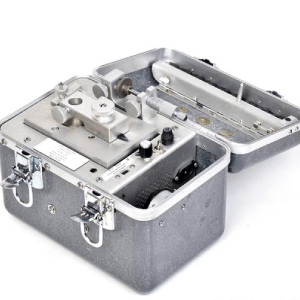
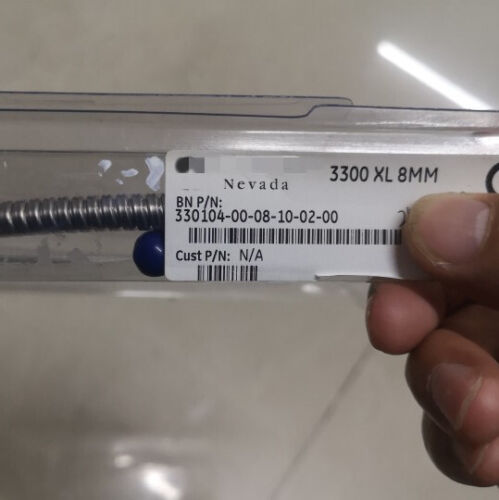
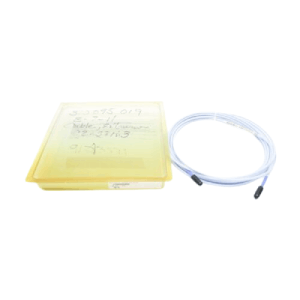
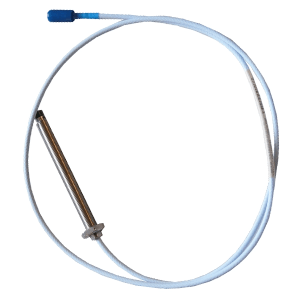
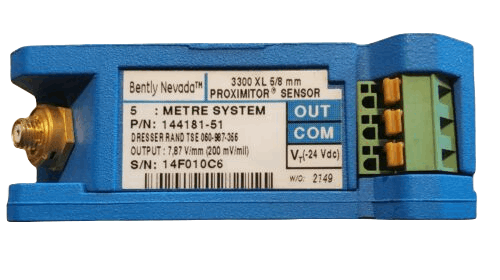
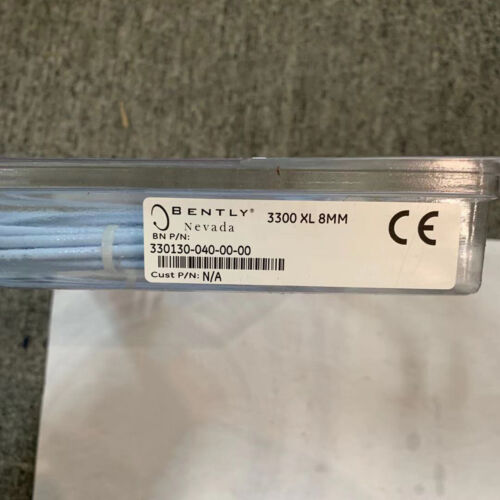
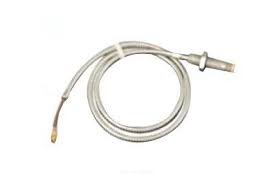
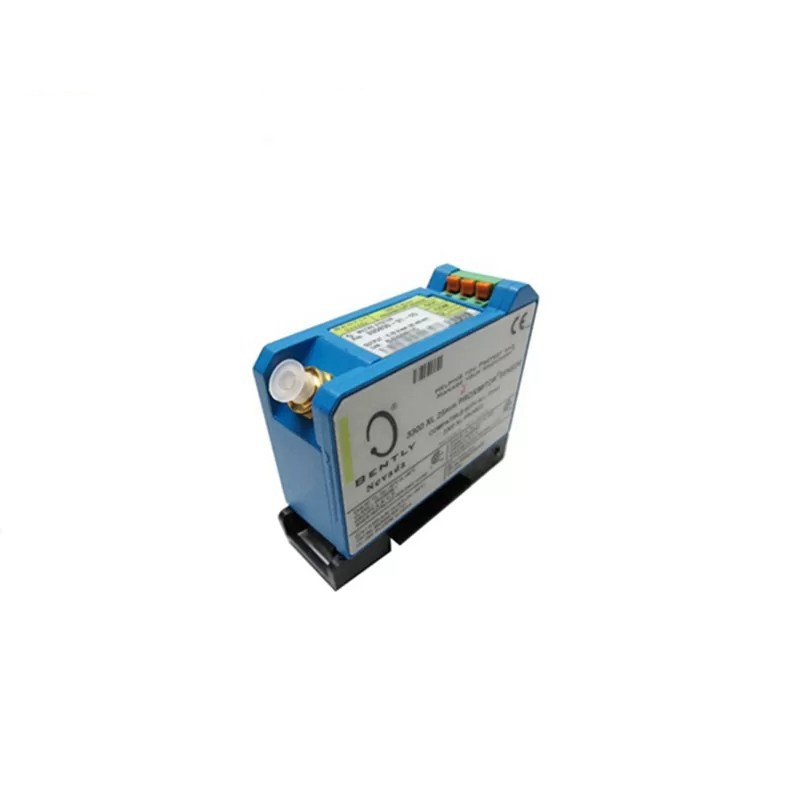
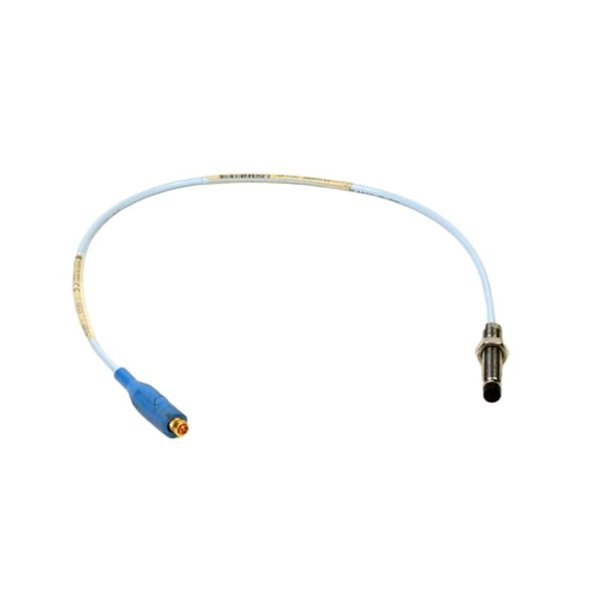
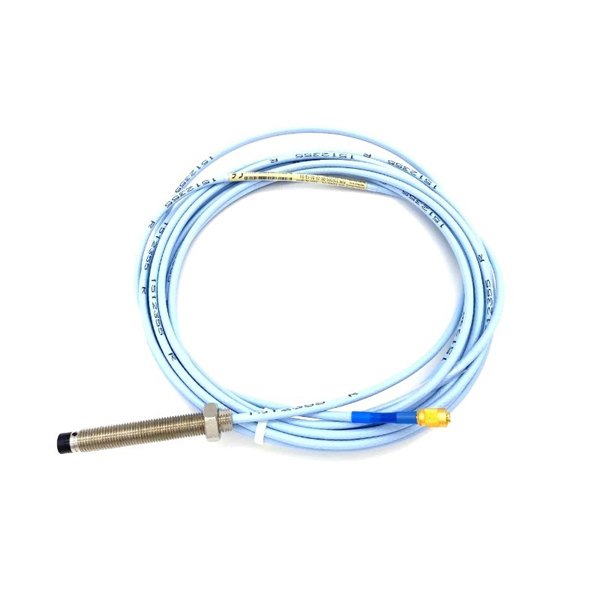
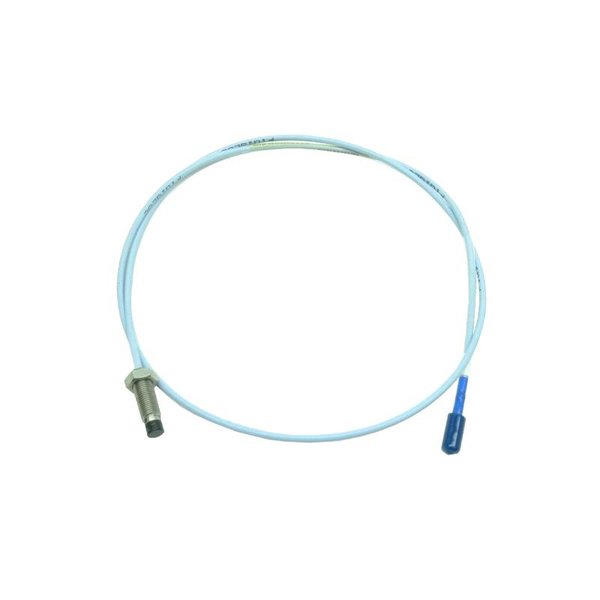
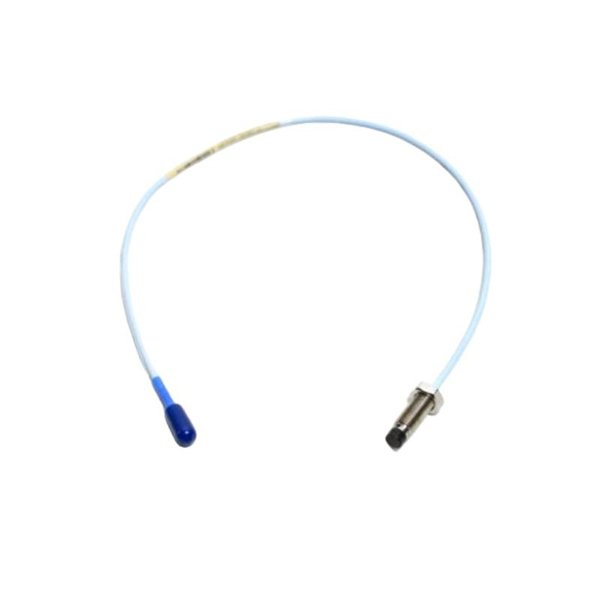
Bently Nevada 330103-17-22-10-12-RU 3300 XL 8 mm Proximity Probe
Manufacturer:Bently Nevada
Product Number:330103-17-22-10-12-RU
Product Type:3300 XL 8 mm Proximity Probe (Metric)
Origin:USA
Total Length:1.0 meter
Weight:0.323kg
Views:9
Payment Methods:T/T, PayPal, Western Union
Condition:New & In Stock
Warranty:1 Year
Lead Time:1-3 Working Days
Certificate:COO
Courier partners:DHL, UPS, TNT, FedEx and EMS.
Business hours:7*24
Product Description
The Bently Nevada 330103-17-22-10-12-RU is a 3300 XL 8 mm proximity probe designed for precise measurement of shaft vibration, radial position, and rotor dynamics in critical rotating machinery. Built for demanding industrial environments, it delivers stable, repeatable measurements and seamless compatibility with 3300 XL Proximitor® sensor systems used across turbomachinery, compressors, pumps, and large motors.
Technical Specifications
| Parameter | Specification |
|---|---|
| Model | 330103-17-22-10-12-RU |
| Series / Type | 3300 XL 8 mm Proximity Probe (Metric) |
| Probe Tip Diameter | 8 mm |
| Thread Type (probe body) | Metric fine thread (typical M10 × 1.0) |
| Target Material | Ferromagnetic (e.g., AISI 4140), standard eddy-current target |
| Nominal Gap Range (setpoint capable) | Around mid-range with ±1 mm adjustment window (application dependent) |
| Linear Range | 2 mm (80 mils) typical with matching Proximitor® |
| Frequency Response | DC to 10 kHz (application dependent) |
| System Compatibility | 3300 XL Proximitor® sensor and approved extension cables |
| Cable Construction | Rugged, low-noise coax; factory-terminated |
| Environmental | Industrial duty; oil, vibration, and temperature resistant |
| Compliance | Designed to support API 670–type monitoring architectures |
| Total Length | 1.0 meter |
| Weight | 0.323 kg |
Applications
-
Turbomachinery shafts – Continuous monitoring of radial vibration and position for turbines, compressors, and expanders.
-
Large motors & generators – Early detection of imbalance, misalignment, and rubs to protect critical assets.
-
Process pumps & fans – Predictive diagnostics to minimize unplanned downtime in refining, chemical, and power sectors.
-
Gearboxes & couplings – Reliable tracking of gear mesh issues and coupling defects via vibration signatures.
-
Condition-based maintenance – High-fidelity signals for analytics platforms and protection relays in API-style systems.
Advantages
-
Stable, repeatable measurements – Tight linearity in the 8 mm system for trustworthy vibration and displacement data.
-
Rugged industrial build – Withstands heat, oil mist, and mechanical stress typical of rotating equipment.
-
Signal integrity over distance – Low-noise coax and matched components help preserve accuracy on long runs.
-
Seamless system fit – Designed for 3300 XL architectures, reducing integration effort and commissioning risk.
-
Predictive maintenance ready – High bandwidth and low noise enable early fault detection and smarter shutdowns.
-
Installation friendly – Metric thread format and compact tip support quick, secure mounting in tight spaces.
FAQ
Q1: Which monitoring system should be paired with this probe for full linear range?
A1: Use the matching 3300 XL Proximitor® sensor specified for 8 mm probes to maintain the calibrated 2 mm linear range and sensitivity.
Q2: How critical is target material in calibration accuracy?
A2: Very. Eddy-current systems assume a standard ferromagnetic target; changes in metallurgy or surface finish can shift sensitivity and bias.
Q3: Can I mix probe and extension cable part numbers from different sets?
A3: Mixing is not recommended. Keep the probe, extension cable, and Proximitor® as a matched set to preserve scale factor and linearity.
Q4: What mounting practices reduce electrical noise pickup?
A4: Use proper shielding/grounding, avoid sharp cable bends, maintain separation from high-power conductors, and ensure clean, tight connectors.
Q5: How do I set nominal gap during commissioning?
A5: Adjust the mechanical gap to the recommended mid-range bias (per Proximitor® output) using a feeler gauge or dial indicator, then verify with live readings.
Q6: What frequency content can this probe capture on fast machines?
A6: In a correctly matched system, DC to ~10 kHz is typical—adequate for most shaft vibration and 1×/2× fault components.
Q7: How do shaft keyways or slots affect readings?
A7: Passing discontinuities modulate the signal. Position the probe at a uniform surface or account for features in your diagnostic setup.
Q8: Are multiple probes around the same shaft supported?
A8: Yes. Orthogonal X/Y probes at the same axial plane enable orbit plots and improved diagnostics; maintain orthogonality and identical gaps.
Q9: What if my machine runs at elevated temperatures?
A9: Validate the temperature class of the complete chain (probe, cable, Proximitor®). For high-heat zones, ask our customer service for appropriate variants.
Q10: How can I verify field performance after installation?
A10: Conduct a loop check with calibrated displacement simulation, confirm bias voltage, verify linear response, and compare spectra against baseline data.
 Loading comments...
Bently Nevada 330103-17-22-10-12-RU 3300 XL 8 mm Proximity Probe
Manufacturer:Bently Nevada
Product Number:330103-17-22-10-12-RU
Product Type:3300 XL 8 mm Proximity Probe (Metric)
Origin:USA
Total Length:1.0 meter
Weight:0.323kg
Views:9
Payment Methods:T/T, PayPal, Western Union
Condition:New & In Stock
Warranty:1 Year
Lead Time:1-3 Working Days
Certificate:COO
Courier partners:DHL, UPS, TNT, FedEx and EMS.
Business hours:7*24
Product Description
The Bently Nevada 330103-17-22-10-12-RU is a 3300 XL 8 mm proximity probe designed for precise measurement of shaft vibration, radial position, and rotor dynamics in critical rotating machinery. Built for demanding industrial environments, it delivers stable, repeatable measurements and seamless compatibility with 3300 XL Proximitor® sensor systems used across turbomachinery, compressors, pumps, and large motors.
Technical Specifications
| Parameter | Specification |
|---|---|
| Model | 330103-17-22-10-12-RU |
| Series / Type | 3300 XL 8 mm Proximity Probe (Metric) |
| Probe Tip Diameter | 8 mm |
| Thread Type (probe body) | Metric fine thread (typical M10 × 1.0) |
| Target Material | Ferromagnetic (e.g., AISI 4140), standard eddy-current target |
| Nominal Gap Range (setpoint capable) | Around mid-range with ±1 mm adjustment window (application dependent) |
| Linear Range | 2 mm (80 mils) typical with matching Proximitor® |
| Frequency Response | DC to 10 kHz (application dependent) |
| System Compatibility | 3300 XL Proximitor® sensor and approved extension cables |
| Cable Construction | Rugged, low-noise coax; factory-terminated |
| Environmental | Industrial duty; oil, vibration, and temperature resistant |
| Compliance | Designed to support API 670–type monitoring architectures |
| Total Length | 1.0 meter |
| Weight | 0.323 kg |
Applications
-
Turbomachinery shafts – Continuous monitoring of radial vibration and position for turbines, compressors, and expanders.
-
Large motors & generators – Early detection of imbalance, misalignment, and rubs to protect critical assets.
-
Process pumps & fans – Predictive diagnostics to minimize unplanned downtime in refining, chemical, and power sectors.
-
Gearboxes & couplings – Reliable tracking of gear mesh issues and coupling defects via vibration signatures.
-
Condition-based maintenance – High-fidelity signals for analytics platforms and protection relays in API-style systems.
Advantages
-
Stable, repeatable measurements – Tight linearity in the 8 mm system for trustworthy vibration and displacement data.
-
Rugged industrial build – Withstands heat, oil mist, and mechanical stress typical of rotating equipment.
-
Signal integrity over distance – Low-noise coax and matched components help preserve accuracy on long runs.
-
Seamless system fit – Designed for 3300 XL architectures, reducing integration effort and commissioning risk.
-
Predictive maintenance ready – High bandwidth and low noise enable early fault detection and smarter shutdowns.
-
Installation friendly – Metric thread format and compact tip support quick, secure mounting in tight spaces.
FAQ
Q1: Which monitoring system should be paired with this probe for full linear range?
A1: Use the matching 3300 XL Proximitor® sensor specified for 8 mm probes to maintain the calibrated 2 mm linear range and sensitivity.
Q2: How critical is target material in calibration accuracy?
A2: Very. Eddy-current systems assume a standard ferromagnetic target; changes in metallurgy or surface finish can shift sensitivity and bias.
Q3: Can I mix probe and extension cable part numbers from different sets?
A3: Mixing is not recommended. Keep the probe, extension cable, and Proximitor® as a matched set to preserve scale factor and linearity.
Q4: What mounting practices reduce electrical noise pickup?
A4: Use proper shielding/grounding, avoid sharp cable bends, maintain separation from high-power conductors, and ensure clean, tight connectors.
Q5: How do I set nominal gap during commissioning?
A5: Adjust the mechanical gap to the recommended mid-range bias (per Proximitor® output) using a feeler gauge or dial indicator, then verify with live readings.
Q6: What frequency content can this probe capture on fast machines?
A6: In a correctly matched system, DC to ~10 kHz is typical—adequate for most shaft vibration and 1×/2× fault components.
Q7: How do shaft keyways or slots affect readings?
A7: Passing discontinuities modulate the signal. Position the probe at a uniform surface or account for features in your diagnostic setup.
Q8: Are multiple probes around the same shaft supported?
A8: Yes. Orthogonal X/Y probes at the same axial plane enable orbit plots and improved diagnostics; maintain orthogonality and identical gaps.
Q9: What if my machine runs at elevated temperatures?
A9: Validate the temperature class of the complete chain (probe, cable, Proximitor®). For high-heat zones, ask our customer service for appropriate variants.
Q10: How can I verify field performance after installation?
A10: Conduct a loop check with calibrated displacement simulation, confirm bias voltage, verify linear response, and compare spectra against baseline data.
Need a Custom Automation Solution?
Our team of experts can design and implement a tailored automation system to meet your specific requirements.