
Our Products
Comprehensive industrial automation solutions for global industries
Contact us
If you are interested in our products and want to know more details,please Contact us,we will reply you as soon as we can.
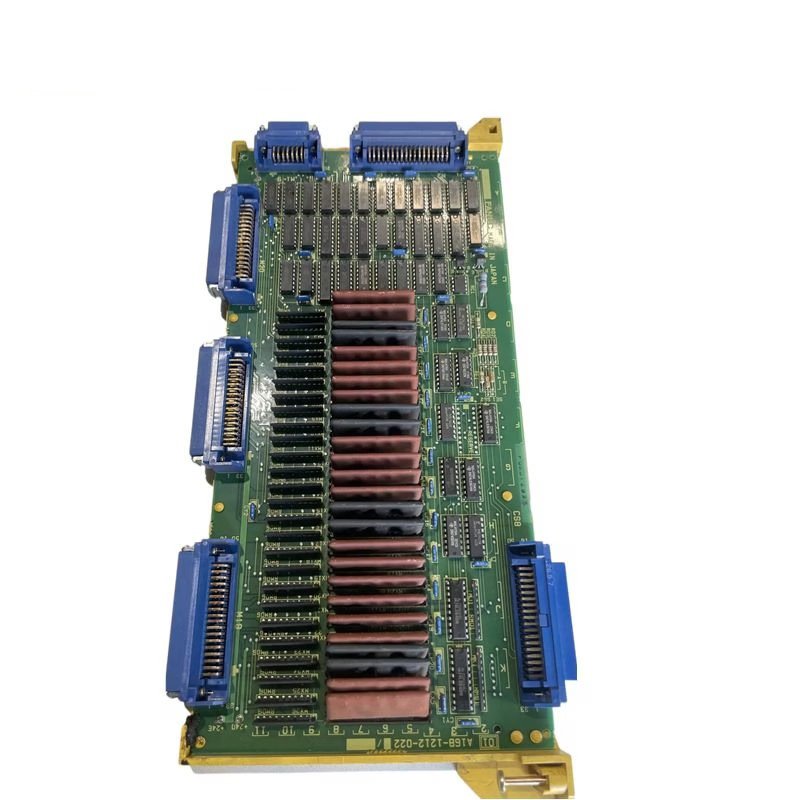
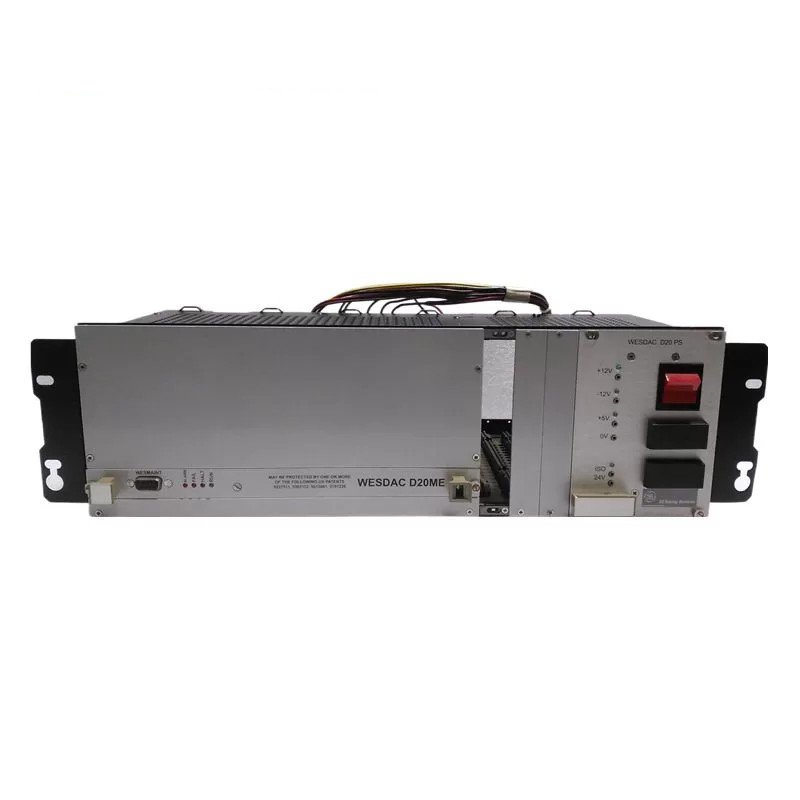
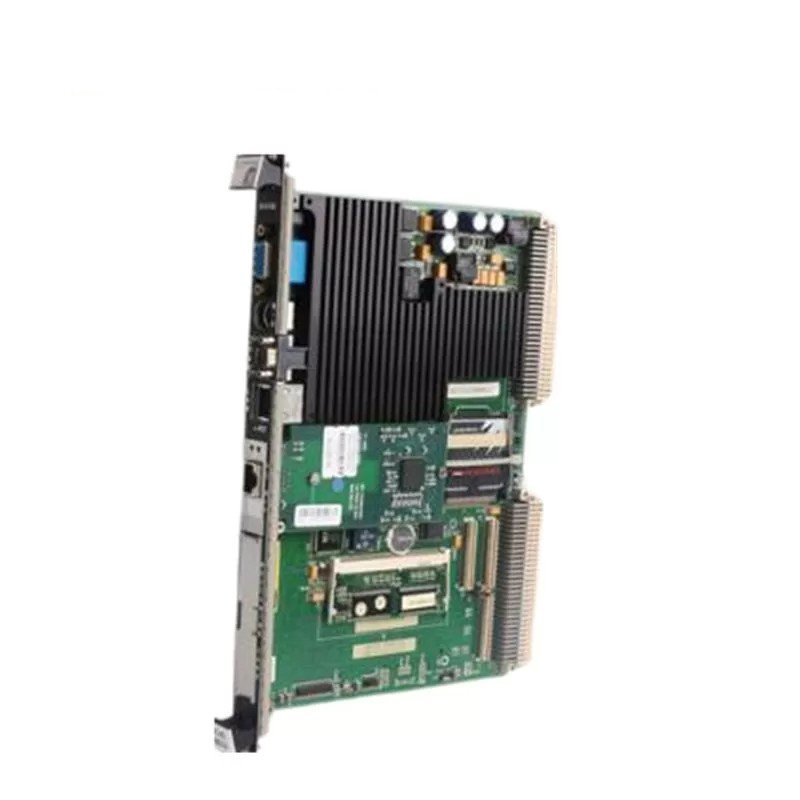
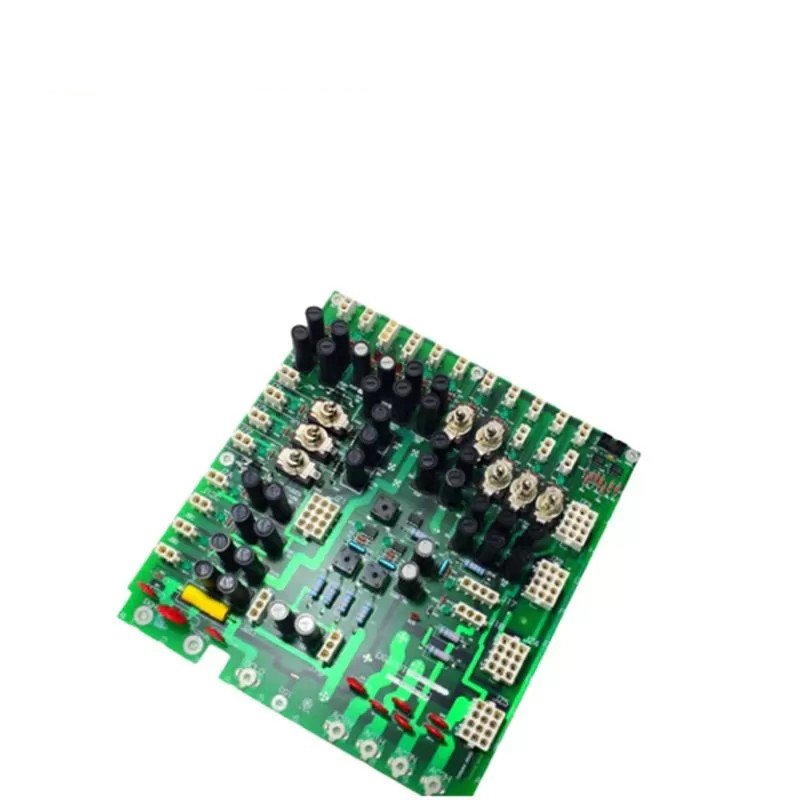
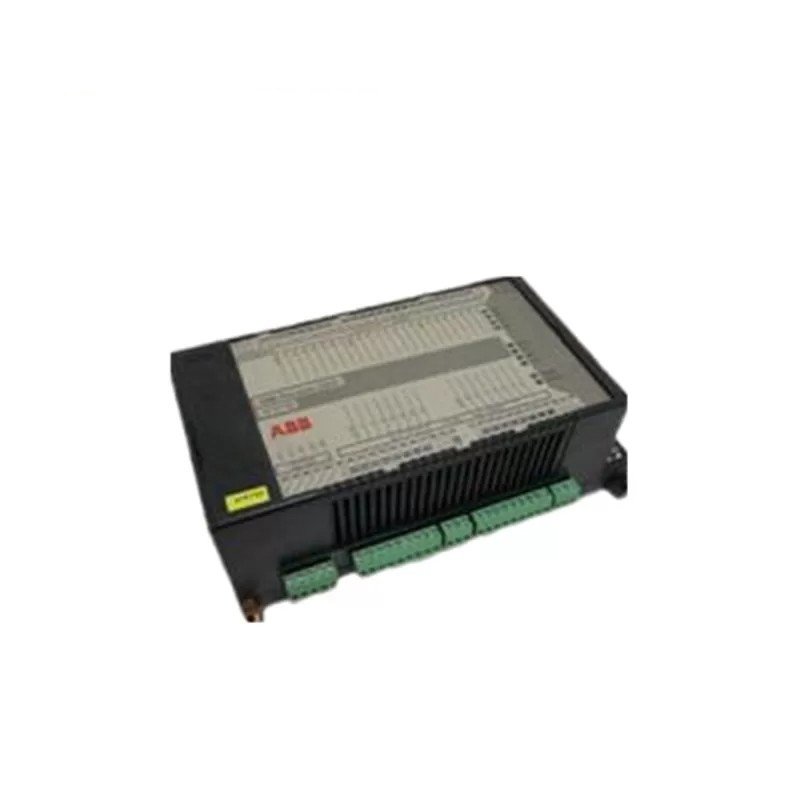
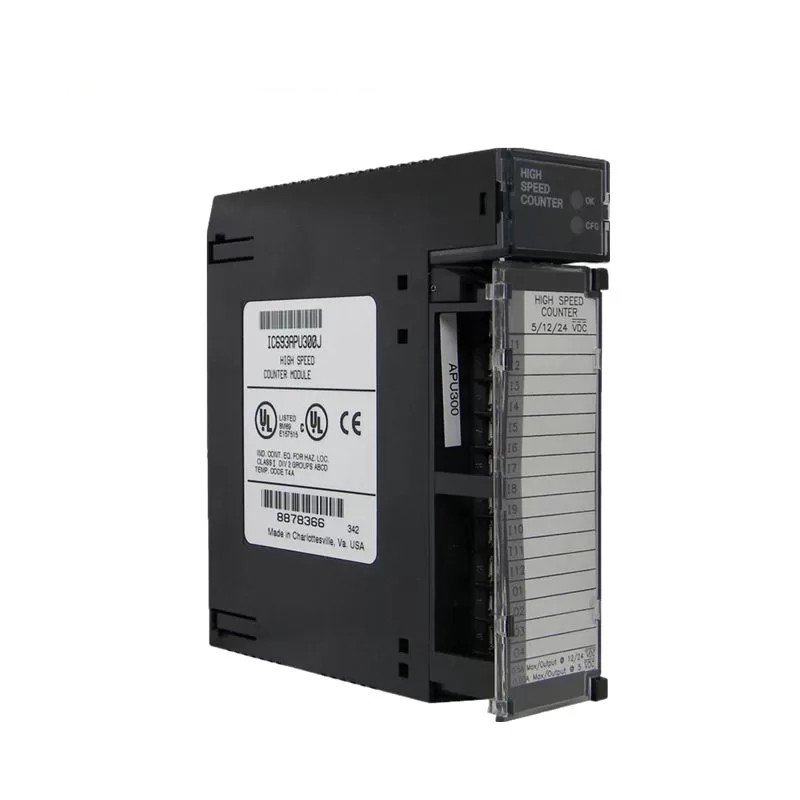
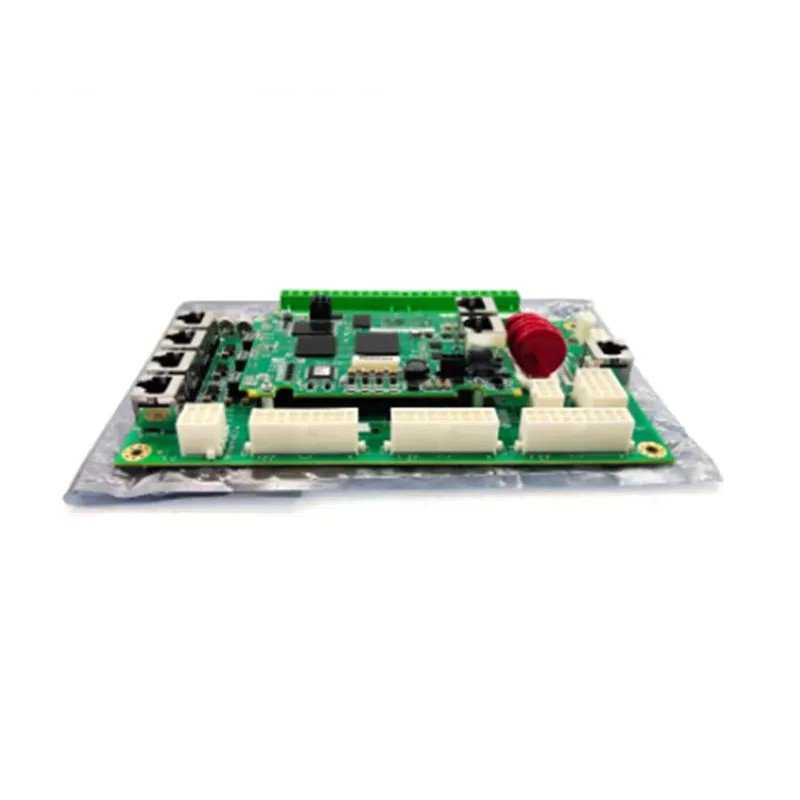
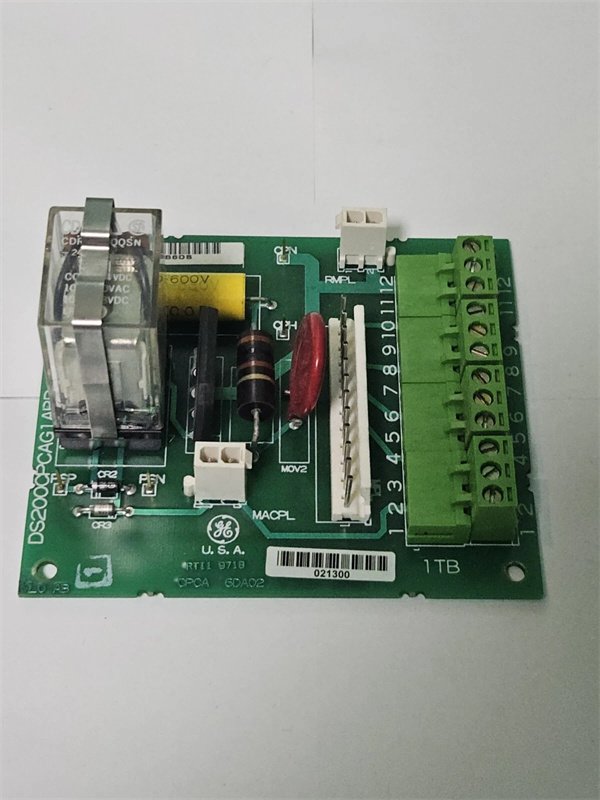
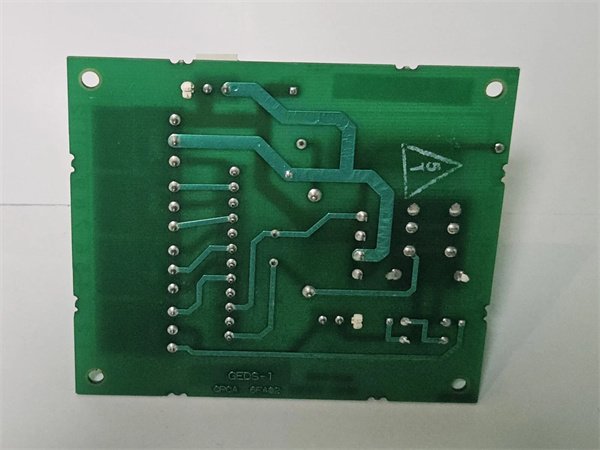
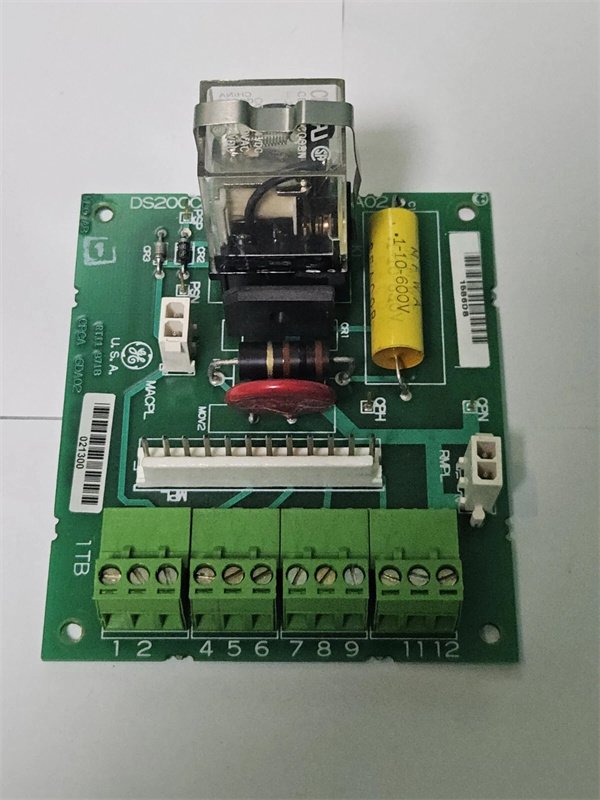
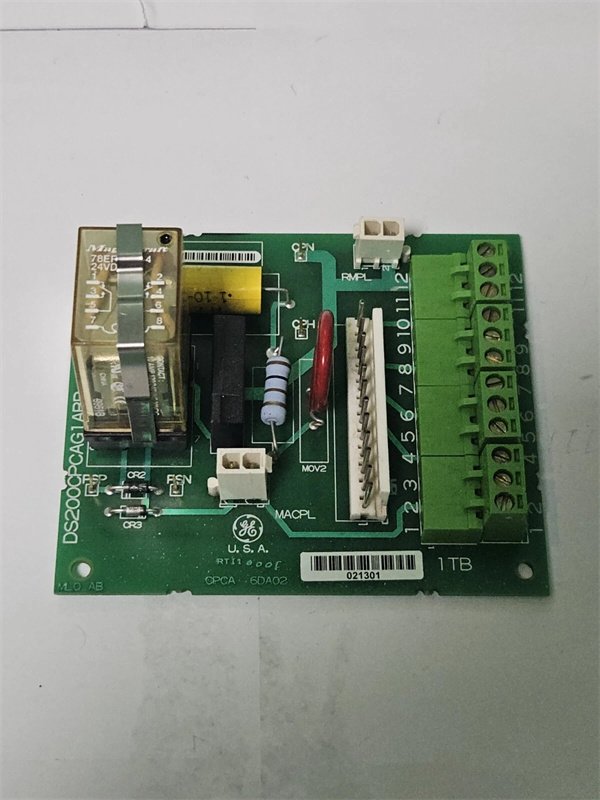
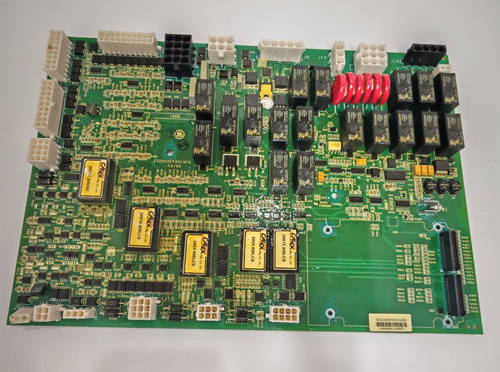
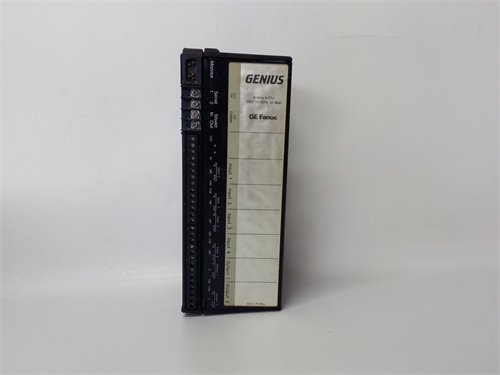
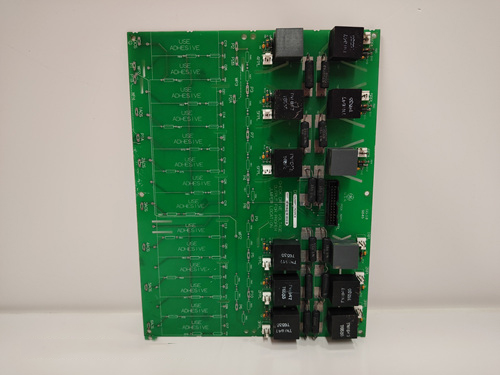
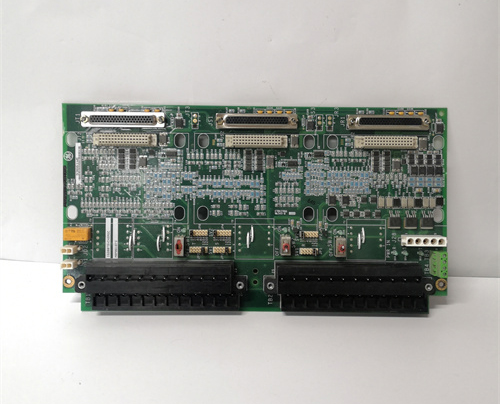
General Electric IS410TBCIS2C Thermocouple Input Safety Module
Manufacturer:General Electric
Product Number:GE IS410TBCIS2C
Payment Methods:T/T, PayPal, Western Union
Condition:New & In Stock
Warranty:1 Year
Lead Time:1-3 Working Days
Certificate:COO
Courier partners:DHL, UPS, TNT, FedEx and EMS.
Business hours:7*24
Product Description
GE IS410TBCIS2C is a specialized thermocouple input safety module designed for GE’s Mark VIeS safety system, engineered to provide reliable temperature monitoring in safety-instrumented systems (SIS) where precise thermal control prevents hazardous events. Unlike general-purpose temperature modules, GE IS410TBCIS2C focuses exclusively on thermocouple signals, combining high-density 16-channel input with SIL 2 certification to balance safety, cost, and functionality for mid-risk industrial applications.
In process automation, GE IS410TBCIS2C acts as a critical interface between field-deployed thermocouples and the Mark VIeS safety CPU, converting millivolt-level thermal signals into validated data for safety logic. For example, in a chemical plant’s batch reactor system, it continuously monitors 12 Type K thermocouples embedded in the reactor walls and 4 Type J thermocouples in the heating jacket. If temperatures exceed predefined safety limits (e.g., 200°C for a flammable compound), the module’s data triggers the safety CPU to initiate cooling or shutdown procedures—actions that depend entirely on GE IS410TBCIS2C’s measurement accuracy and fault detection.
What distinguishes GE IS410TBCIS2C is its optimized design for thermocouple-based safety systems: it includes advanced cold junction compensation, channel isolation to prevent fault propagation, and redundant communication paths—all while maintaining a compact form factor. This makes it ideal for applications like industrial furnaces, turbine exhaust monitoring, and chemical batch processes, where SIL 2 compliance is required but the extreme reliability of SIL 3 is unnecessary, reducing overall system costs.
Detailed Parameter Table
| Parameter Name | Parameter Value |
| Product model | GE IS410TBCIS2C |
| Manufacturer | General Electric (GE) Industrial Automation |
| Product category | Thermocouple Input Safety Module (Mark VIeS Safety System) |
| Input Configuration | 16 isolated thermocouple channels; Compatible with Types K, J, T, E, R, S, B |
| Measurement Accuracy | ±0.3°C (including cold junction compensation); 0.1°C resolution |
| Safety Integrity Level | IEC 61508 SIL 2; IEC 61511 compliant for process safety applications |
| Diagnostic Coverage | 95% (channel-level faults: open circuits, short circuits, drift, sensor failure) |
| Communication Interface | Redundant Safety Ethernet (100Mbps); Mark VIeS backplane (dual SPI) |
| Power Requirements | 24V DC (redundant inputs); 3W typical, 5W maximum consumption |
| Physical Dimensions (H×W×D) | 155mm × 120mm × 35mm (rack-mount); Weight: 310g |
| Operating Temperature Range | -30°C to +70°C (ambient); -40°C to +85°C (short-term storage) |
| Environmental Protection | Conformal coating (moisture, dust, and chemical resistance); EMI/RFI shielding |
| Fault Response Time | <200ms for critical faults (e.g., thermocouple short to ground) |
| Certifications | TÜV Rheinland (SIL 2), ATEX Zone 2, IECEx, UL 61010-1, CSA C22.2 No. 61010-1 |
| Compatibility |
GE Mark VIeS Safety Controllers; GE IC698CPE040-FJGE-S (safety CPU); Process safety instrumented systems (SIS), industrial furnace controls, turbine exhaust monitoring |
Core advantages and technical highlights
High-Density Channels for Cost-Effective Safety: GE IS410TBCIS2C’s 16 thermocouple inputs reduce the number of modules needed in safety systems, cutting cabinet space by 40% and lowering hardware costs by 30% compared to using multiple 8-channel modules. In a metal heat-treating facility monitoring 24 furnace zones, two GE IS410TBCIS2C modules replaced three legacy 8-channel units, freeing up space for additional safety sensors. The density also simplifies wiring, with a single module connecting to 16 thermocouples via a terminal block, reducing installation time by 25%.
Advanced Cold Junction Compensation for Accuracy: Unlike basic modules that use a single ambient sensor for all channels, GE IS410TBCIS2C employs dedicated cold junction compensation (CJC) for each thermocouple pair, ensuring ±0.3°C measurement accuracy even in unevenly heated control cabinets. In a pharmaceutical reactor room where cabinet temperatures vary by 5°C across zones, this precision maintained product temperature control within ±0.5°C—critical for meeting FDA requirements for batch consistency. Traditional modules with shared CJC introduced ±1.2°C errors, risking product rejection and costly reprocessing.
Channel Isolation to Contain Faults: Each of GE IS410TBCIS2C’s 16 channels is galvanically isolated (1.5kV) from the others and the backplane, preventing a single fault (e.g., a water-damaged thermocouple cable) from affecting multiple measurements. In a food processing plant’s oven system, a short circuit on Channel 7 (monitoring a baking zone) was contained by isolation, leaving the remaining 15 channels operational. This allowed production to continue at 94% capacity while the fault was repaired, avoiding a full line shutdown that would have cost $15,000 in lost output.
Redundant Communication for Uninterrupted Data Flow: GE IS410TBCIS2C features dual Safety Ethernet ports and redundant backplane connections, ensuring temperature data reaches the Mark VIeS CPU even if one communication path fails. In a waste incineration plant’s flue gas monitoring system, a network switch failure triggered an automatic switch to the redundant path—maintaining visibility of critical temperatures (e.g., 850°C minimum for dioxin destruction) without interruption. This redundancy helped the plant comply with EU waste incineration directives, which require continuous temperature monitoring with <1% data loss.
Typical application scenarios
GE IS410TBCIS2C is a key component in a large-scale plastics manufacturing plant’s extrusion line safety system, where it monitors 14 barrel temperatures (Type K thermocouples) and 2 die temperatures (Type J thermocouples) across three extruders. Extrusion processes rely on precise temperature control—exceeding 300°C can cause plastic degradation and toxic fume release, while temperatures below 200°C result in defective products.
GE IS410TBCIS2C sends real-time data to the Mark VIeS safety CPU, which adjusts heater power or triggers shutdowns if temperatures drift beyond 220–280°C. During a 2024 incident, a heater relay stuck closed on Extruder 2, causing barrel temperature to rise from 250°C to 290°C in 90 seconds. GE IS410TBCIS2C detected the spike, validated it against its internal diagnostics, and sent a fault signal to the CPU—activating a cooling fan and disconnecting power in 180ms total. This response prevented temperatures from reaching the 300°C danger zone, avoiding fume release and a 4-hour production halt.
In a biomass power plant’s boiler system, GE IS410TBCIS2C monitors 16 furnace wall temperatures (Type S thermocouples) to prevent overheating and structural damage. Its conformal coating withstands the dusty, high-moisture environment, while its -30°C low-temperature rating ensures reliability during winter startups. The module’s redundant Ethernet ports send data to both the on-site safety HMI and the remote operations center, providing 24/7 visibility—critical for maintaining compliance with environmental permits requiring continuous temperature logging.
Installation, commissioning and maintenance instructions
Installation preparation: Before installing GE IS410TBCIS2C, verify compatibility with Mark VIeS safety racks and thermocouple types (certified for SIL 2 use). Ensure the environment meets -30°C to +70°C and 5%–95% RH (non-condensing). Required tools: torque screwdriver (0.6–0.9 N·m), thermocouple-compatible wire strippers, ESD-safe gloves, calibrated temperature simulator, and insulation tester. Safety precautions: De-energize the safety system and apply lockout/tagout per SIS procedures. Mount GE IS410TBCIS2C in the dedicated safety rack, connect redundant power inputs, and use thermocouple-grade extension cables (matching sensor type) for field connections—ground shields at the sensor end to prevent noise interference.
Commissioning and maintenance: During setup, use Proficy Safety Manager to configure thermocouple types per channel (e.g., “CH1 = Type K”) and calibrate using a precision temperature simulator (e.g., 100°C, 200°C). For daily operation, monitor the module’s status LEDs (green = normal, red = fault) and review safety logs for channel errors. Perform quarterly functional tests by injecting known temperatures to verify accuracy (±0.3°C) and fault detection (e.g., simulate an open circuit to confirm alarm activation). Every 3 years, conduct SIL 2 validation, including isolation resistance testing (>1.5kV) and fault response time verification (<200ms). If a channel fault persists after checking wiring, replace GE IS410TBCIS2C with a GE-approved safety-certified spare—non-validated replacements compromise SIL compliance. Clean the module with a dry, lint-free cloth; avoid moisture or chemicals that could damage the conformal coating.
 Loading comments...
General Electric IS410TBCIS2C Thermocouple Input Safety Module
Manufacturer:General Electric
Product Number:GE IS410TBCIS2C
Payment Methods:T/T, PayPal, Western Union
Condition:New & In Stock
Warranty:1 Year
Lead Time:1-3 Working Days
Certificate:COO
Courier partners:DHL, UPS, TNT, FedEx and EMS.
Business hours:7*24
Product Description
GE IS410TBCIS2C is a specialized thermocouple input safety module designed for GE’s Mark VIeS safety system, engineered to provide reliable temperature monitoring in safety-instrumented systems (SIS) where precise thermal control prevents hazardous events. Unlike general-purpose temperature modules, GE IS410TBCIS2C focuses exclusively on thermocouple signals, combining high-density 16-channel input with SIL 2 certification to balance safety, cost, and functionality for mid-risk industrial applications.
In process automation, GE IS410TBCIS2C acts as a critical interface between field-deployed thermocouples and the Mark VIeS safety CPU, converting millivolt-level thermal signals into validated data for safety logic. For example, in a chemical plant’s batch reactor system, it continuously monitors 12 Type K thermocouples embedded in the reactor walls and 4 Type J thermocouples in the heating jacket. If temperatures exceed predefined safety limits (e.g., 200°C for a flammable compound), the module’s data triggers the safety CPU to initiate cooling or shutdown procedures—actions that depend entirely on GE IS410TBCIS2C’s measurement accuracy and fault detection.
What distinguishes GE IS410TBCIS2C is its optimized design for thermocouple-based safety systems: it includes advanced cold junction compensation, channel isolation to prevent fault propagation, and redundant communication paths—all while maintaining a compact form factor. This makes it ideal for applications like industrial furnaces, turbine exhaust monitoring, and chemical batch processes, where SIL 2 compliance is required but the extreme reliability of SIL 3 is unnecessary, reducing overall system costs.
Detailed Parameter Table
| Parameter Name | Parameter Value |
| Product model | GE IS410TBCIS2C |
| Manufacturer | General Electric (GE) Industrial Automation |
| Product category | Thermocouple Input Safety Module (Mark VIeS Safety System) |
| Input Configuration | 16 isolated thermocouple channels; Compatible with Types K, J, T, E, R, S, B |
| Measurement Accuracy | ±0.3°C (including cold junction compensation); 0.1°C resolution |
| Safety Integrity Level | IEC 61508 SIL 2; IEC 61511 compliant for process safety applications |
| Diagnostic Coverage | 95% (channel-level faults: open circuits, short circuits, drift, sensor failure) |
| Communication Interface | Redundant Safety Ethernet (100Mbps); Mark VIeS backplane (dual SPI) |
| Power Requirements | 24V DC (redundant inputs); 3W typical, 5W maximum consumption |
| Physical Dimensions (H×W×D) | 155mm × 120mm × 35mm (rack-mount); Weight: 310g |
| Operating Temperature Range | -30°C to +70°C (ambient); -40°C to +85°C (short-term storage) |
| Environmental Protection | Conformal coating (moisture, dust, and chemical resistance); EMI/RFI shielding |
| Fault Response Time | <200ms for critical faults (e.g., thermocouple short to ground) |
| Certifications | TÜV Rheinland (SIL 2), ATEX Zone 2, IECEx, UL 61010-1, CSA C22.2 No. 61010-1 |
| Compatibility |
GE Mark VIeS Safety Controllers; GE IC698CPE040-FJGE-S (safety CPU); Process safety instrumented systems (SIS), industrial furnace controls, turbine exhaust monitoring |
Core advantages and technical highlights
High-Density Channels for Cost-Effective Safety: GE IS410TBCIS2C’s 16 thermocouple inputs reduce the number of modules needed in safety systems, cutting cabinet space by 40% and lowering hardware costs by 30% compared to using multiple 8-channel modules. In a metal heat-treating facility monitoring 24 furnace zones, two GE IS410TBCIS2C modules replaced three legacy 8-channel units, freeing up space for additional safety sensors. The density also simplifies wiring, with a single module connecting to 16 thermocouples via a terminal block, reducing installation time by 25%.
Advanced Cold Junction Compensation for Accuracy: Unlike basic modules that use a single ambient sensor for all channels, GE IS410TBCIS2C employs dedicated cold junction compensation (CJC) for each thermocouple pair, ensuring ±0.3°C measurement accuracy even in unevenly heated control cabinets. In a pharmaceutical reactor room where cabinet temperatures vary by 5°C across zones, this precision maintained product temperature control within ±0.5°C—critical for meeting FDA requirements for batch consistency. Traditional modules with shared CJC introduced ±1.2°C errors, risking product rejection and costly reprocessing.
Channel Isolation to Contain Faults: Each of GE IS410TBCIS2C’s 16 channels is galvanically isolated (1.5kV) from the others and the backplane, preventing a single fault (e.g., a water-damaged thermocouple cable) from affecting multiple measurements. In a food processing plant’s oven system, a short circuit on Channel 7 (monitoring a baking zone) was contained by isolation, leaving the remaining 15 channels operational. This allowed production to continue at 94% capacity while the fault was repaired, avoiding a full line shutdown that would have cost $15,000 in lost output.
Redundant Communication for Uninterrupted Data Flow: GE IS410TBCIS2C features dual Safety Ethernet ports and redundant backplane connections, ensuring temperature data reaches the Mark VIeS CPU even if one communication path fails. In a waste incineration plant’s flue gas monitoring system, a network switch failure triggered an automatic switch to the redundant path—maintaining visibility of critical temperatures (e.g., 850°C minimum for dioxin destruction) without interruption. This redundancy helped the plant comply with EU waste incineration directives, which require continuous temperature monitoring with <1% data loss.
Typical application scenarios
GE IS410TBCIS2C is a key component in a large-scale plastics manufacturing plant’s extrusion line safety system, where it monitors 14 barrel temperatures (Type K thermocouples) and 2 die temperatures (Type J thermocouples) across three extruders. Extrusion processes rely on precise temperature control—exceeding 300°C can cause plastic degradation and toxic fume release, while temperatures below 200°C result in defective products.
GE IS410TBCIS2C sends real-time data to the Mark VIeS safety CPU, which adjusts heater power or triggers shutdowns if temperatures drift beyond 220–280°C. During a 2024 incident, a heater relay stuck closed on Extruder 2, causing barrel temperature to rise from 250°C to 290°C in 90 seconds. GE IS410TBCIS2C detected the spike, validated it against its internal diagnostics, and sent a fault signal to the CPU—activating a cooling fan and disconnecting power in 180ms total. This response prevented temperatures from reaching the 300°C danger zone, avoiding fume release and a 4-hour production halt.
In a biomass power plant’s boiler system, GE IS410TBCIS2C monitors 16 furnace wall temperatures (Type S thermocouples) to prevent overheating and structural damage. Its conformal coating withstands the dusty, high-moisture environment, while its -30°C low-temperature rating ensures reliability during winter startups. The module’s redundant Ethernet ports send data to both the on-site safety HMI and the remote operations center, providing 24/7 visibility—critical for maintaining compliance with environmental permits requiring continuous temperature logging.
Installation, commissioning and maintenance instructions
Installation preparation: Before installing GE IS410TBCIS2C, verify compatibility with Mark VIeS safety racks and thermocouple types (certified for SIL 2 use). Ensure the environment meets -30°C to +70°C and 5%–95% RH (non-condensing). Required tools: torque screwdriver (0.6–0.9 N·m), thermocouple-compatible wire strippers, ESD-safe gloves, calibrated temperature simulator, and insulation tester. Safety precautions: De-energize the safety system and apply lockout/tagout per SIS procedures. Mount GE IS410TBCIS2C in the dedicated safety rack, connect redundant power inputs, and use thermocouple-grade extension cables (matching sensor type) for field connections—ground shields at the sensor end to prevent noise interference.
Commissioning and maintenance: During setup, use Proficy Safety Manager to configure thermocouple types per channel (e.g., “CH1 = Type K”) and calibrate using a precision temperature simulator (e.g., 100°C, 200°C). For daily operation, monitor the module’s status LEDs (green = normal, red = fault) and review safety logs for channel errors. Perform quarterly functional tests by injecting known temperatures to verify accuracy (±0.3°C) and fault detection (e.g., simulate an open circuit to confirm alarm activation). Every 3 years, conduct SIL 2 validation, including isolation resistance testing (>1.5kV) and fault response time verification (<200ms). If a channel fault persists after checking wiring, replace GE IS410TBCIS2C with a GE-approved safety-certified spare—non-validated replacements compromise SIL compliance. Clean the module with a dry, lint-free cloth; avoid moisture or chemicals that could damage the conformal coating.
Need a Custom Automation Solution?
Our team of experts can design and implement a tailored automation system to meet your specific requirements.