
Our Products
Comprehensive industrial automation solutions for global industries
Contact us
If you are interested in our products and want to know more details,please Contact us,we will reply you as soon as we can.
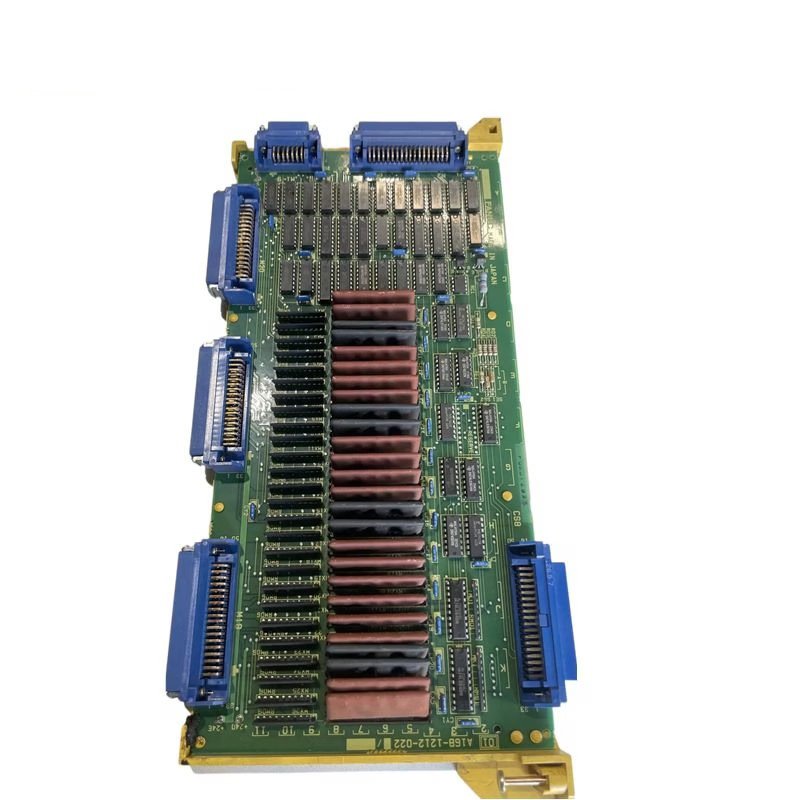
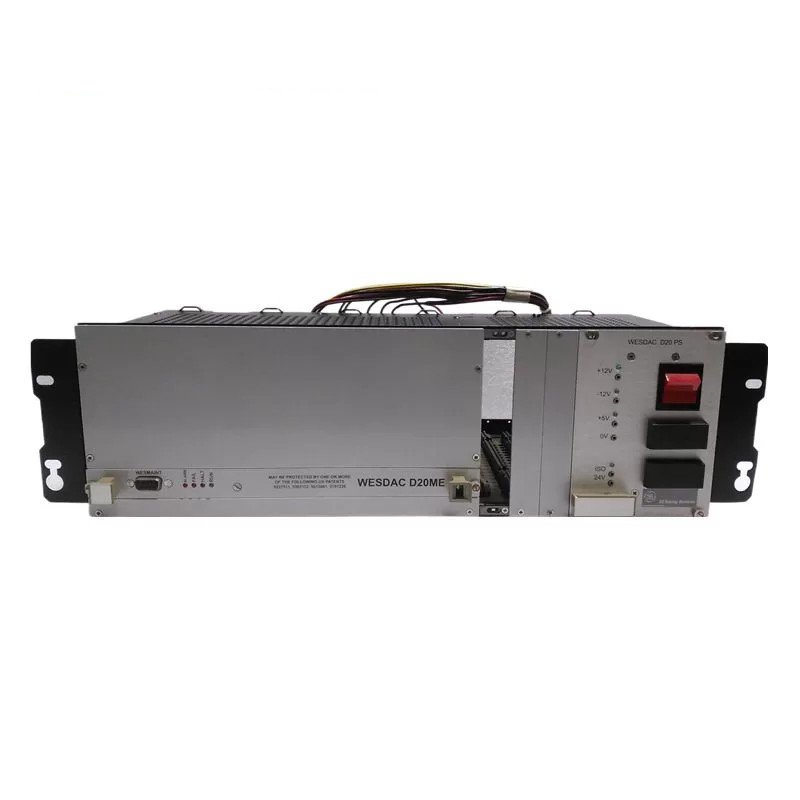
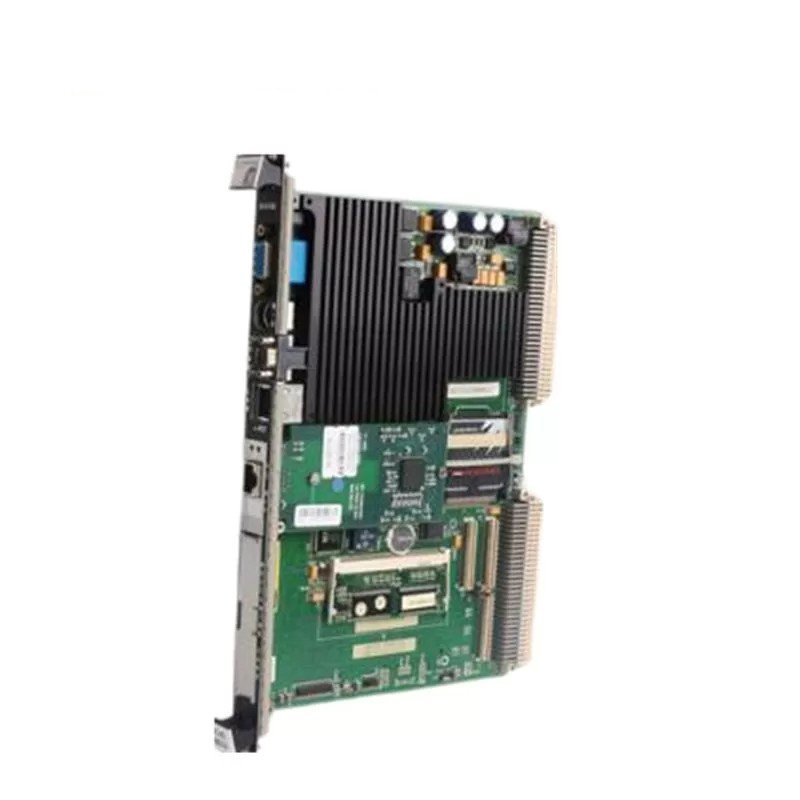
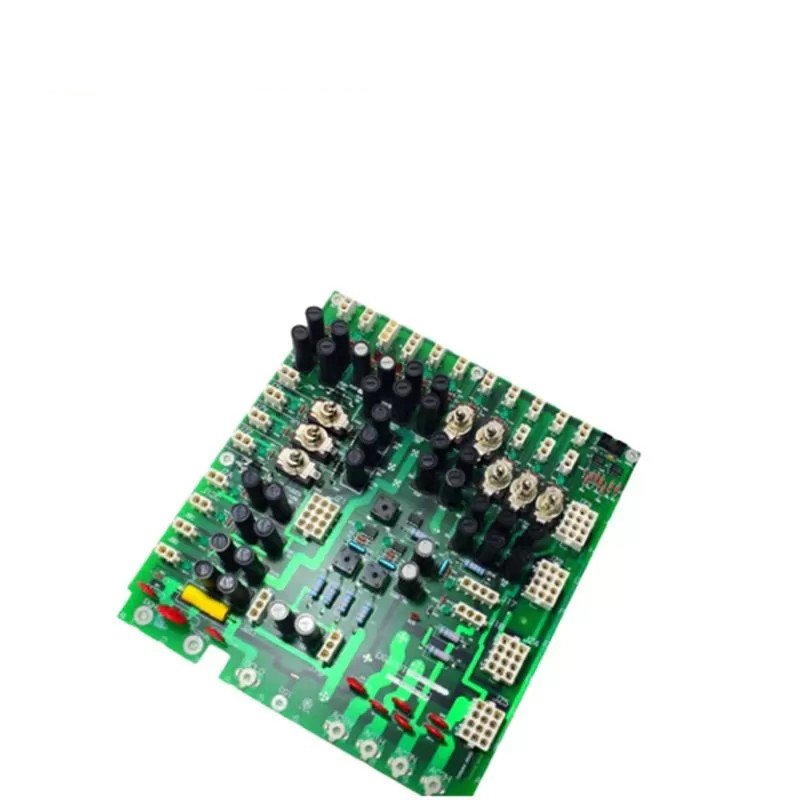
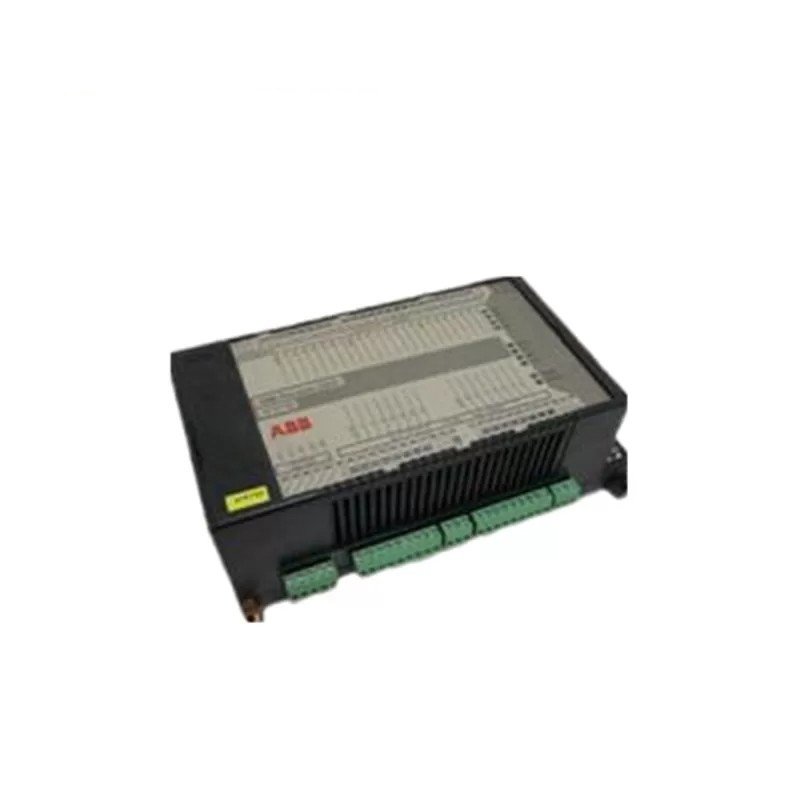
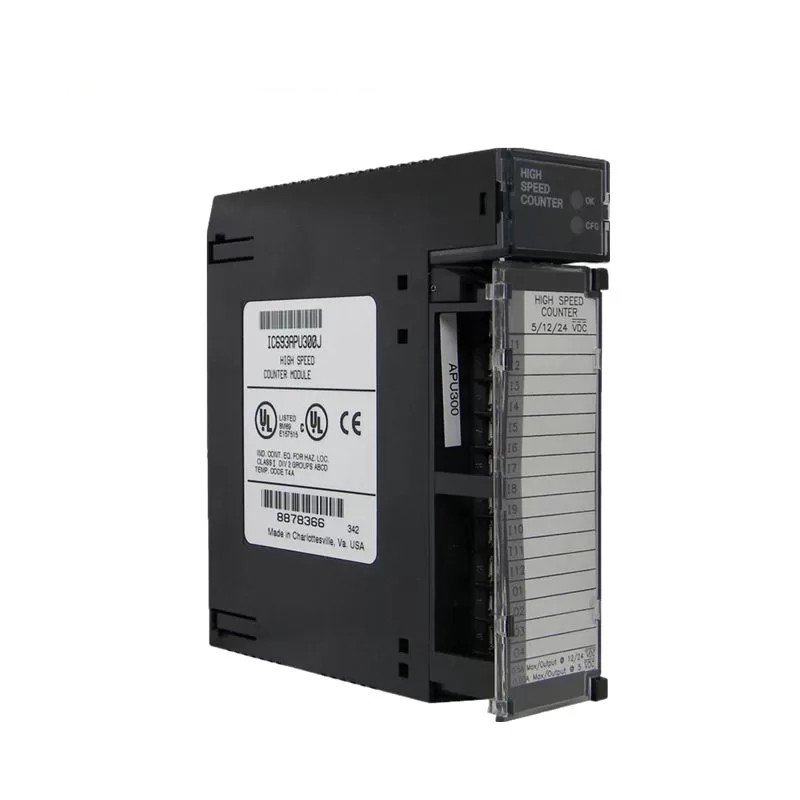
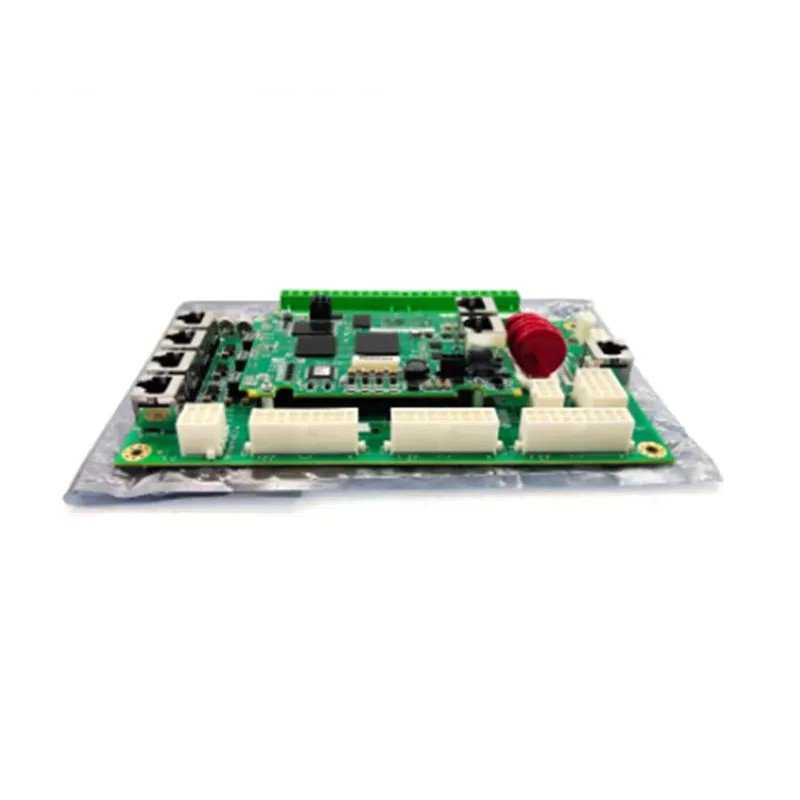
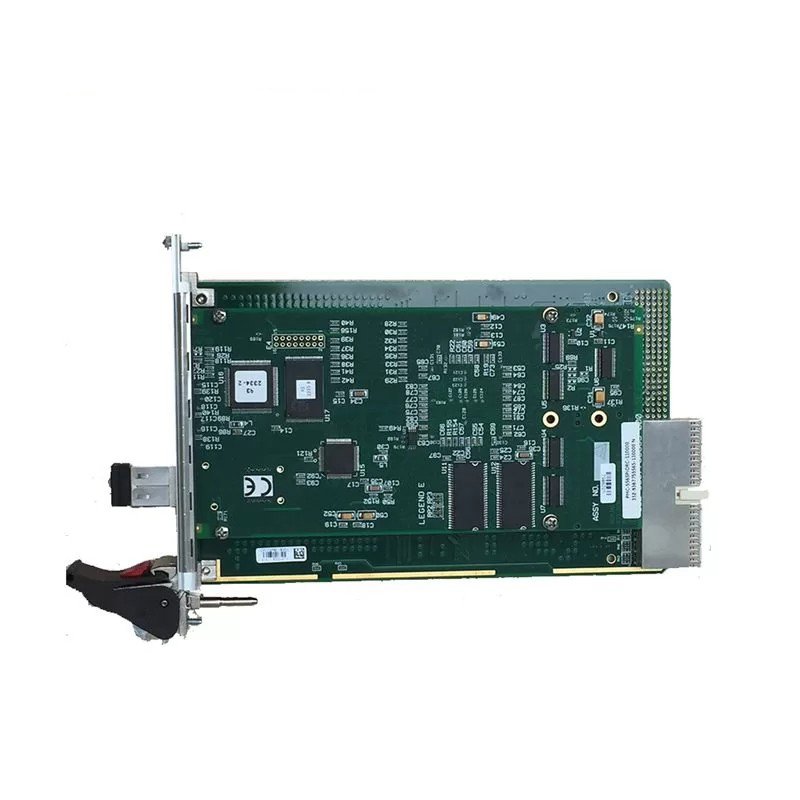
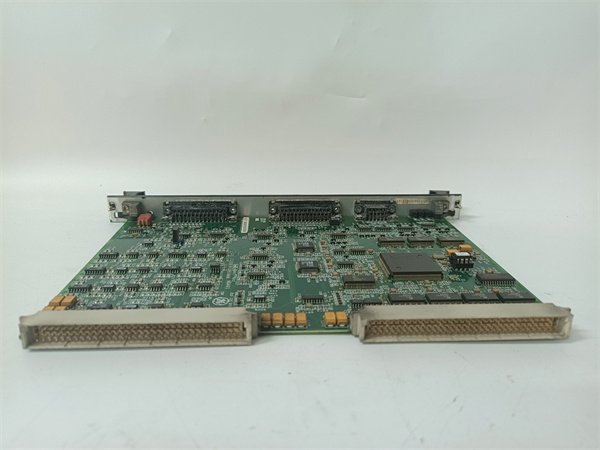
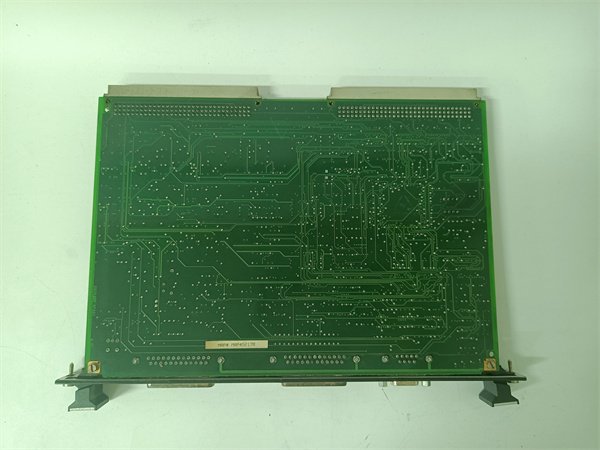
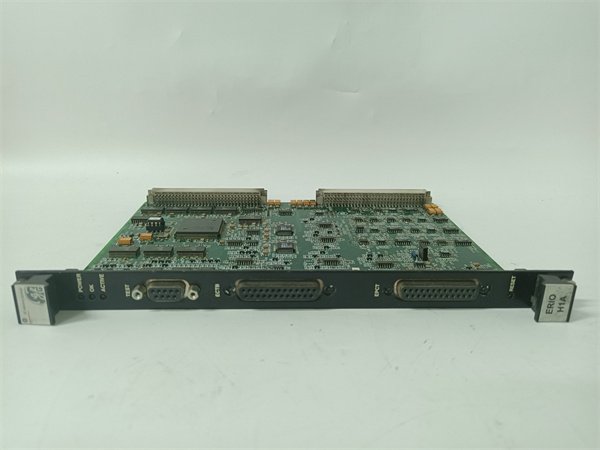
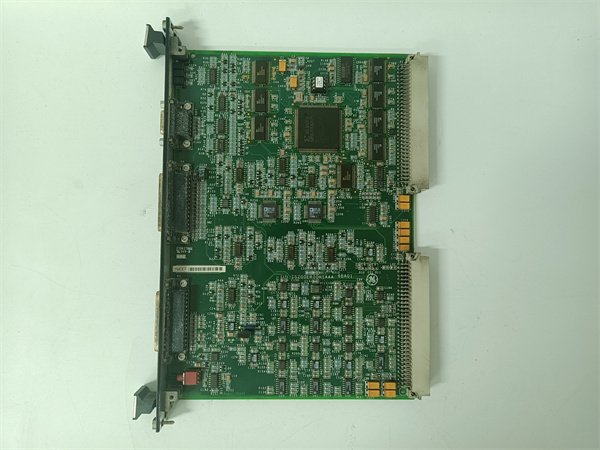
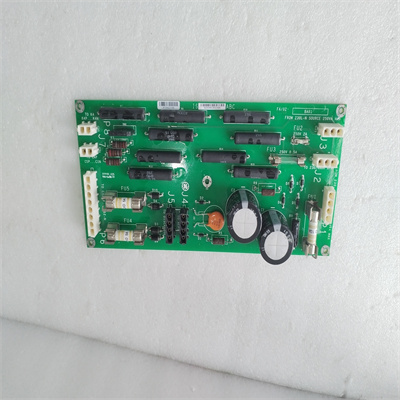
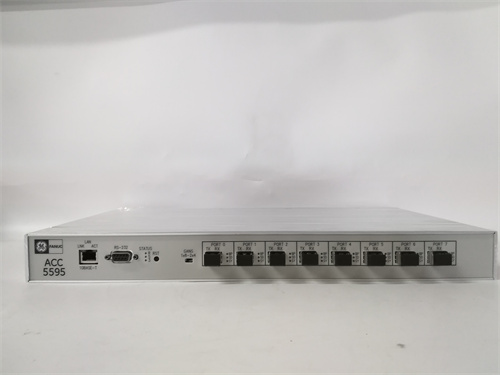
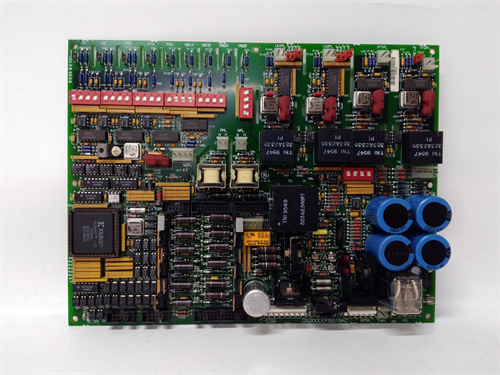
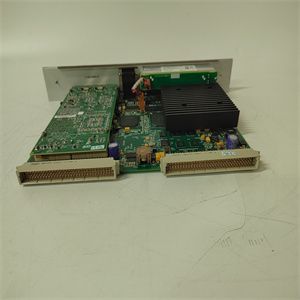
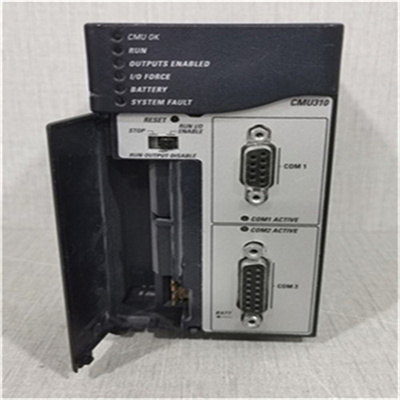
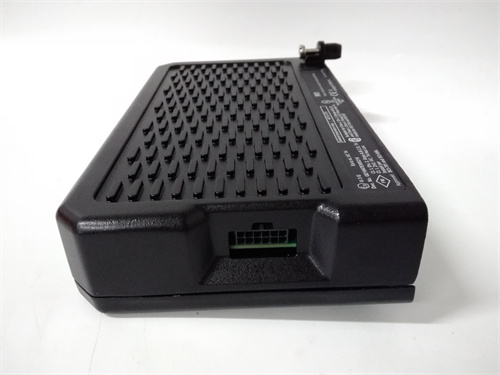
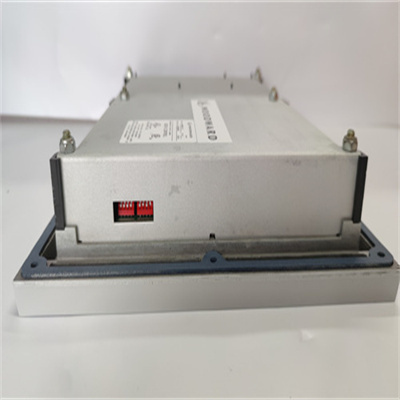
General Electric IS200DSPXH2C High-Performance Digital Signal Processor Module
Manufacturer:General Electric
Product Number:IS200DSPXH2C
Payment Methods:T/T, PayPal, Western Union
Condition:New & In Stock
Warranty:1 Year
Lead Time:1-3 Working Days
Certificate:COO
Courier partners:DHL, UPS, TNT, FedEx and EMS.
Business hours:7*24
Product Description
The IS200DSPXH2C is a flagship high-performance digital signal processor module developed by General Electric (GE) exclusively for its Mark VIe Speedtronic turbine control system—the industry-leading platform for large-scale gas, steam, and combined-cycle turbine automation. As the “computational core” of the Mark VIe ecosystem, the IS200DSPXH2C is designed to handle real-time signal processing, execute complex control algorithms, and synchronize data with other system components, making it indispensable for precision control in 700 MW+ utility-scale turbines.
Unlike basic processor modules, the IS200DSPXH2C integrates a dual-core 200 MHz DSP with dedicated floating-point capabilities, enabling it to process multi-channel sensor data (e.g., temperature, pressure, speed) and run advanced control logic (such as adaptive combustion control) with minimal latency. Its robust memory configuration—including high-speed DDR3 RAM and industrial-grade flash—ensures reliable data storage and rapid program execution, even in harsh turbine environments with extreme temperatures and electrical noise.
In GE’s Mark VIe system, the IS200DSPXH2C acts as a bridge between field sensors and the main controller, translating raw data into actionable insights for turbine operation. It plays a critical role in optimizing efficiency, ensuring grid compliance, and enabling predictive maintenance—directly contributing to reduced downtime and lower operational costs for power plants worldwide.
Detailed Parameter Table
| Parameter Name | Parameter Value |
| Product model | IS200DSPXH2C |
| Manufacturer | General Electric (GE) Industrial Automation Division |
| Product category | High-Performance Digital Signal Processor Module (for Mark VIe Speedtronic Turbine Control Systems) |
| Processor configuration | Dual-core 32-bit floating-point DSP (200 MHz), with dedicated hardware floating-point unit |
| Data processing capacity | 400 MFLOPS; supports 16-bit/32-bit mixed-precision calculations |
| Memory specifications | 256 MB DDR3 RAM (for real-time data); 128 MB industrial flash (for program storage); 8 MB SRAM (for cache) |
| Input channel configuration | 8 analog input channels (16-bit resolution, 1 MSPS sampling rate); 4 digital/pulse input channels (max 1 MHz) |
| Communication interfaces | 2 x 10/100/1000 Base-T Ethernet ports; 1 x USB 2.0 port; 1 x RS-485 port; Mark VIe backplane interface |
| Programming support | IEC 61131-3 standards (LD, FBD, SFC, ST); GE proprietary advanced turbine control algorithm library |
| Operating temperature range | -40 °C to +85 °C (-40 °F to 185 °F) |
| Power requirements | 24 V DC (±15% tolerance); maximum current draw of 0.8 A |
| Safety & EMC compliance | IEC 61010-1 (CAT III, 600 V); EN 61326-1 (EMC immunity: Level 3); UL 61010-1 |
| MTBF (Mean Time Between Failures) |
2,500,000 hours (per Telcordia SR-332, at 40 °C ambient temperature) |
Core advantages and technical highlights
Dual-Core DSP Performance for Real-Time Control: The IS200DSPXH2C’s dual-core 200 MHz floating-point DSP delivers 400 MFLOPS of processing power, a 30% improvement over single-core predecessors. This enables it to handle 8 analog input channels (sampled at 1 MSPS each) and 4 high-frequency pulse inputs simultaneously, while executing complex algorithms like FFT-based vibration analysis and model predictive control (MPC) for turbine speed regulation. For a GE 9HA.04 gas turbine, this performance ensures control loop cycles as short as 1 millisecond—critical for maintaining grid frequency within ±0.02 Hz and preventing overspeed events.
High-Resolution Inputs for Precision Sensing: Equipped with 16-bit analog inputs and 1 MHz digital/pulse inputs, the IS200DSPXH2C captures granular data from turbine sensors (e.g., exhaust gas temperature thermocouples, rotor speed encoders) with exceptional accuracy. Unlike lower-resolution modules (12-bit), its 16-bit inputs reduce measurement error to ±0.0015% of full scale, enabling precise combustion control that minimizes NOₓ emissions while maximizing fuel efficiency. In combined-cycle plants, this precision translates to a 2–3% improvement in overall thermal efficiency.
Redundant Design for Uninterrupted Operation: The IS200DSPXH2C features dual Ethernet ports for redundant network connectivity and a lockstep core architecture that validates computational results in real time—key for safety-critical applications. Its industrial-grade components (rated for -40 °C to +85 °C) and built-in self-test (BIST) functionality ensure reliability in harsh environments, such as offshore platforms or desert power plants. GE’s proprietary fault-detection algorithm also monitors the module’s health, alerting operators to potential issues (e.g., memory degradation) before they impact turbine operation.
Typical application scenarios
In utility-scale gas turbine power plants using GE’s 9HA.04 (730 MW output), the IS200DSPXH2C serves as the primary signal processing unit for turbine control. It collects data from 18 exhaust gas temperature thermocouples, 4 pressure sensors (compressor discharge, turbine inlet), and 2 high-resolution speed encoders (turbine rotor, generator shaft). The IS200DSPXH2C processes this data in real time to execute adaptive combustion control—adjusting fuel flow and air intake to maintain optimal flame temperature, which reduces emissions by 15–20% compared to conventional control systems. During grid load changes, the module’s fast processing enables the turbine to ramp up/down at 5 MW per second, meeting grid demand while avoiding thermal stress on components.
In petrochemical cogeneration plants, the IS200DSPXH2C integrates with GE’s LM2500+ gas turbine (40 MW output) to balance power generation and steam production. It processes steam pressure and flow data from the heat recovery steam generator (HRSG) and adjusts turbine speed to match both electrical load and steam demand. The module’s compatibility with GE’s Predix platform also allows it to stream processed data to cloud-based analytics tools, enabling predictive maintenance—for example, detecting abnormal vibration patterns in the turbine rotor that indicate bearing wear, and scheduling maintenance before a failure occurs. This application reduces unplanned downtime by 30–40% and extends the turbine’s service life by 5–7 years.
Installation, commissioning and maintenance instructions
Installation preparation: Before installing the IS200DSPXH2C, power off the Mark VIe backplane and verify the ambient temperature is within -40 °C to +85 °C. Use ESD-safe tools (e.g., grounded tweezers, antistatic mat) to prevent electrostatic damage to the module’s components. Confirm the backplane slot is compatible with Mark VIe digital signal processor modules and check the 24 V DC power supply (ensure it meets ±15% tolerance to avoid voltage-related damage). For wiring, use shielded twisted-pair cables (22 AWG for analog inputs, 18 AWG for power) and ground the shield at the sensor end to minimize EMI. Label all connections clearly (e.g., “Exhaust Temp Thermocouple–Channel 1”) to avoid miswiring.
Maintenance suggestions: For daily maintenance, monitor the IS200DSPXH2C’s status via the Mark VIe HMI—check for error codes related to memory, communication, or input channels. Every 3 months, use GE’s ToolboxST software to run a diagnostic test, which validates the module’s processor performance and input/output accuracy. Inspect the module’s physical connections quarterly, re-torquing terminals to 0.3 N·m if loose. If the IS200DSPXH2C fails (e.g., no communication with the controller), first check the Ethernet cable and backplane power before replacing the module. Use only GE-approved spare IS200DSPXH2C modules—third-party alternatives may not meet performance or safety standards, risking turbine control instability.
 Loading comments...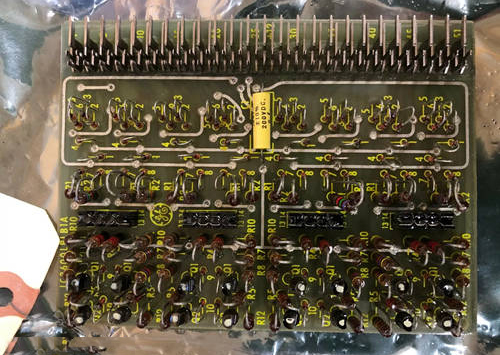
General Electric IS200DSPXH2C High-Performance Digital Signal Processor Module
Manufacturer:General Electric
Product Number:IS200DSPXH2C
Payment Methods:T/T, PayPal, Western Union
Condition:New & In Stock
Warranty:1 Year
Lead Time:1-3 Working Days
Certificate:COO
Courier partners:DHL, UPS, TNT, FedEx and EMS.
Business hours:7*24
Product Description
The IS200DSPXH2C is a flagship high-performance digital signal processor module developed by General Electric (GE) exclusively for its Mark VIe Speedtronic turbine control system—the industry-leading platform for large-scale gas, steam, and combined-cycle turbine automation. As the “computational core” of the Mark VIe ecosystem, the IS200DSPXH2C is designed to handle real-time signal processing, execute complex control algorithms, and synchronize data with other system components, making it indispensable for precision control in 700 MW+ utility-scale turbines.
Unlike basic processor modules, the IS200DSPXH2C integrates a dual-core 200 MHz DSP with dedicated floating-point capabilities, enabling it to process multi-channel sensor data (e.g., temperature, pressure, speed) and run advanced control logic (such as adaptive combustion control) with minimal latency. Its robust memory configuration—including high-speed DDR3 RAM and industrial-grade flash—ensures reliable data storage and rapid program execution, even in harsh turbine environments with extreme temperatures and electrical noise.
In GE’s Mark VIe system, the IS200DSPXH2C acts as a bridge between field sensors and the main controller, translating raw data into actionable insights for turbine operation. It plays a critical role in optimizing efficiency, ensuring grid compliance, and enabling predictive maintenance—directly contributing to reduced downtime and lower operational costs for power plants worldwide.
Detailed Parameter Table
| Parameter Name | Parameter Value |
| Product model | IS200DSPXH2C |
| Manufacturer | General Electric (GE) Industrial Automation Division |
| Product category | High-Performance Digital Signal Processor Module (for Mark VIe Speedtronic Turbine Control Systems) |
| Processor configuration | Dual-core 32-bit floating-point DSP (200 MHz), with dedicated hardware floating-point unit |
| Data processing capacity | 400 MFLOPS; supports 16-bit/32-bit mixed-precision calculations |
| Memory specifications | 256 MB DDR3 RAM (for real-time data); 128 MB industrial flash (for program storage); 8 MB SRAM (for cache) |
| Input channel configuration | 8 analog input channels (16-bit resolution, 1 MSPS sampling rate); 4 digital/pulse input channels (max 1 MHz) |
| Communication interfaces | 2 x 10/100/1000 Base-T Ethernet ports; 1 x USB 2.0 port; 1 x RS-485 port; Mark VIe backplane interface |
| Programming support | IEC 61131-3 standards (LD, FBD, SFC, ST); GE proprietary advanced turbine control algorithm library |
| Operating temperature range | -40 °C to +85 °C (-40 °F to 185 °F) |
| Power requirements | 24 V DC (±15% tolerance); maximum current draw of 0.8 A |
| Safety & EMC compliance | IEC 61010-1 (CAT III, 600 V); EN 61326-1 (EMC immunity: Level 3); UL 61010-1 |
| MTBF (Mean Time Between Failures) |
2,500,000 hours (per Telcordia SR-332, at 40 °C ambient temperature) |
Core advantages and technical highlights
Dual-Core DSP Performance for Real-Time Control: The IS200DSPXH2C’s dual-core 200 MHz floating-point DSP delivers 400 MFLOPS of processing power, a 30% improvement over single-core predecessors. This enables it to handle 8 analog input channels (sampled at 1 MSPS each) and 4 high-frequency pulse inputs simultaneously, while executing complex algorithms like FFT-based vibration analysis and model predictive control (MPC) for turbine speed regulation. For a GE 9HA.04 gas turbine, this performance ensures control loop cycles as short as 1 millisecond—critical for maintaining grid frequency within ±0.02 Hz and preventing overspeed events.
High-Resolution Inputs for Precision Sensing: Equipped with 16-bit analog inputs and 1 MHz digital/pulse inputs, the IS200DSPXH2C captures granular data from turbine sensors (e.g., exhaust gas temperature thermocouples, rotor speed encoders) with exceptional accuracy. Unlike lower-resolution modules (12-bit), its 16-bit inputs reduce measurement error to ±0.0015% of full scale, enabling precise combustion control that minimizes NOₓ emissions while maximizing fuel efficiency. In combined-cycle plants, this precision translates to a 2–3% improvement in overall thermal efficiency.
Redundant Design for Uninterrupted Operation: The IS200DSPXH2C features dual Ethernet ports for redundant network connectivity and a lockstep core architecture that validates computational results in real time—key for safety-critical applications. Its industrial-grade components (rated for -40 °C to +85 °C) and built-in self-test (BIST) functionality ensure reliability in harsh environments, such as offshore platforms or desert power plants. GE’s proprietary fault-detection algorithm also monitors the module’s health, alerting operators to potential issues (e.g., memory degradation) before they impact turbine operation.
Typical application scenarios
In utility-scale gas turbine power plants using GE’s 9HA.04 (730 MW output), the IS200DSPXH2C serves as the primary signal processing unit for turbine control. It collects data from 18 exhaust gas temperature thermocouples, 4 pressure sensors (compressor discharge, turbine inlet), and 2 high-resolution speed encoders (turbine rotor, generator shaft). The IS200DSPXH2C processes this data in real time to execute adaptive combustion control—adjusting fuel flow and air intake to maintain optimal flame temperature, which reduces emissions by 15–20% compared to conventional control systems. During grid load changes, the module’s fast processing enables the turbine to ramp up/down at 5 MW per second, meeting grid demand while avoiding thermal stress on components.
In petrochemical cogeneration plants, the IS200DSPXH2C integrates with GE’s LM2500+ gas turbine (40 MW output) to balance power generation and steam production. It processes steam pressure and flow data from the heat recovery steam generator (HRSG) and adjusts turbine speed to match both electrical load and steam demand. The module’s compatibility with GE’s Predix platform also allows it to stream processed data to cloud-based analytics tools, enabling predictive maintenance—for example, detecting abnormal vibration patterns in the turbine rotor that indicate bearing wear, and scheduling maintenance before a failure occurs. This application reduces unplanned downtime by 30–40% and extends the turbine’s service life by 5–7 years.
Installation, commissioning and maintenance instructions
Installation preparation: Before installing the IS200DSPXH2C, power off the Mark VIe backplane and verify the ambient temperature is within -40 °C to +85 °C. Use ESD-safe tools (e.g., grounded tweezers, antistatic mat) to prevent electrostatic damage to the module’s components. Confirm the backplane slot is compatible with Mark VIe digital signal processor modules and check the 24 V DC power supply (ensure it meets ±15% tolerance to avoid voltage-related damage). For wiring, use shielded twisted-pair cables (22 AWG for analog inputs, 18 AWG for power) and ground the shield at the sensor end to minimize EMI. Label all connections clearly (e.g., “Exhaust Temp Thermocouple–Channel 1”) to avoid miswiring.
Maintenance suggestions: For daily maintenance, monitor the IS200DSPXH2C’s status via the Mark VIe HMI—check for error codes related to memory, communication, or input channels. Every 3 months, use GE’s ToolboxST software to run a diagnostic test, which validates the module’s processor performance and input/output accuracy. Inspect the module’s physical connections quarterly, re-torquing terminals to 0.3 N·m if loose. If the IS200DSPXH2C fails (e.g., no communication with the controller), first check the Ethernet cable and backplane power before replacing the module. Use only GE-approved spare IS200DSPXH2C modules—third-party alternatives may not meet performance or safety standards, risking turbine control instability.
Need a Custom Automation Solution?
Our team of experts can design and implement a tailored automation system to meet your specific requirements.