
Our Products
Comprehensive industrial automation solutions for global industries
Contact us
If you are interested in our products and want to know more details,please Contact us,we will reply you as soon as we can.
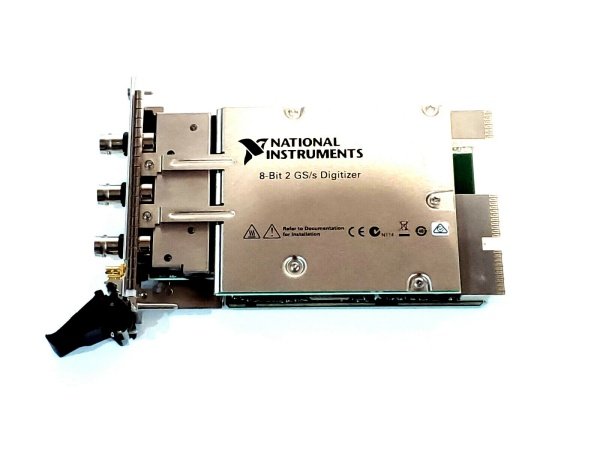
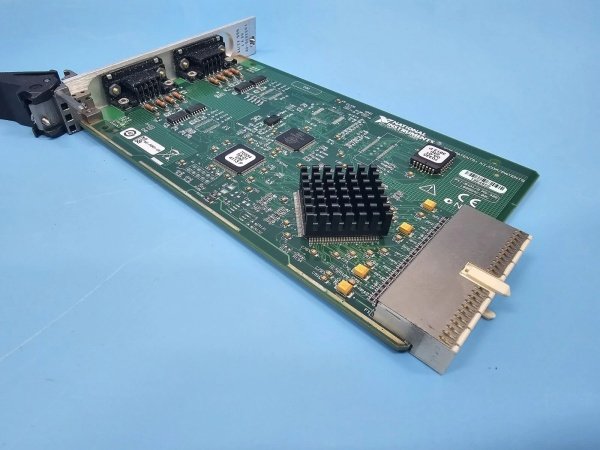
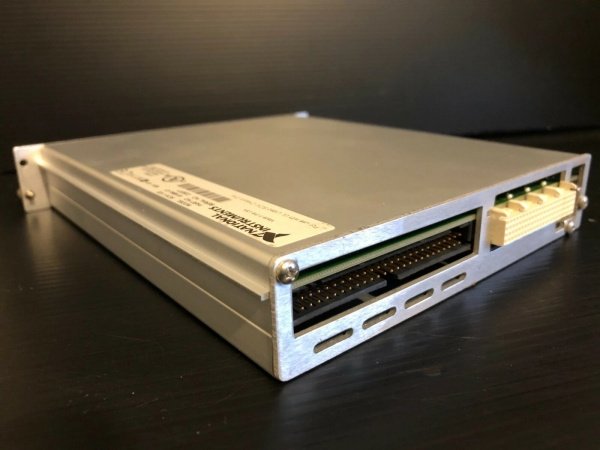
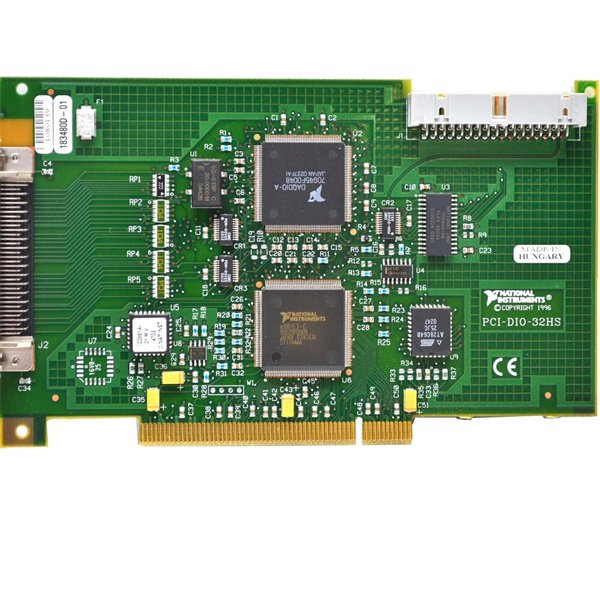
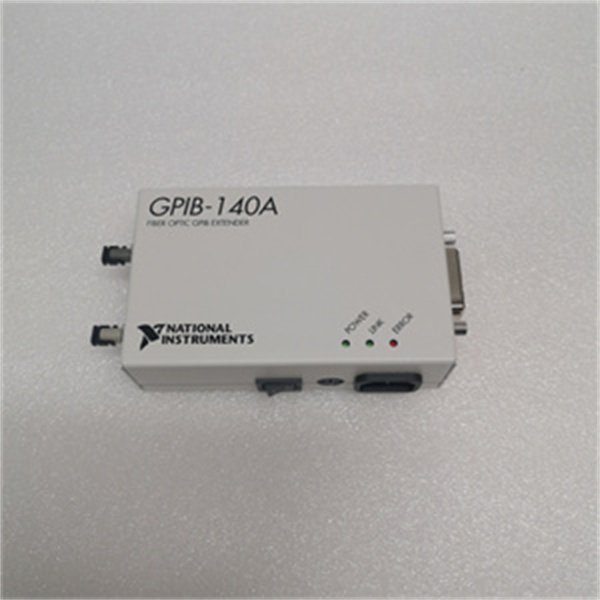
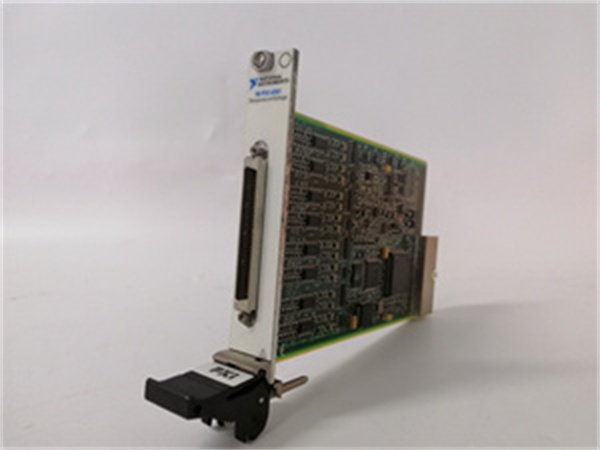
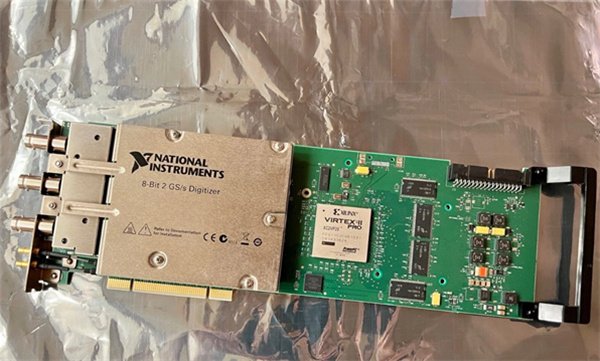
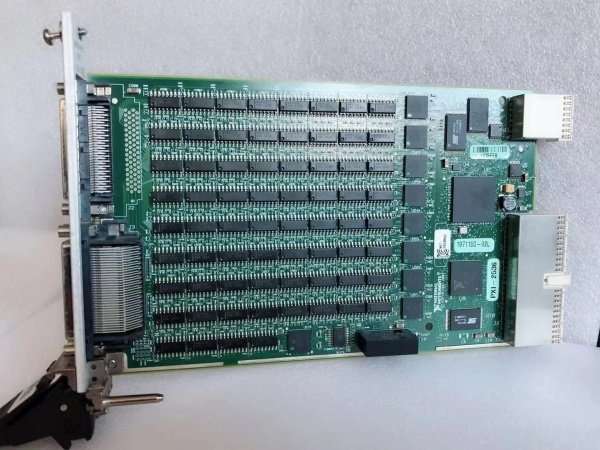
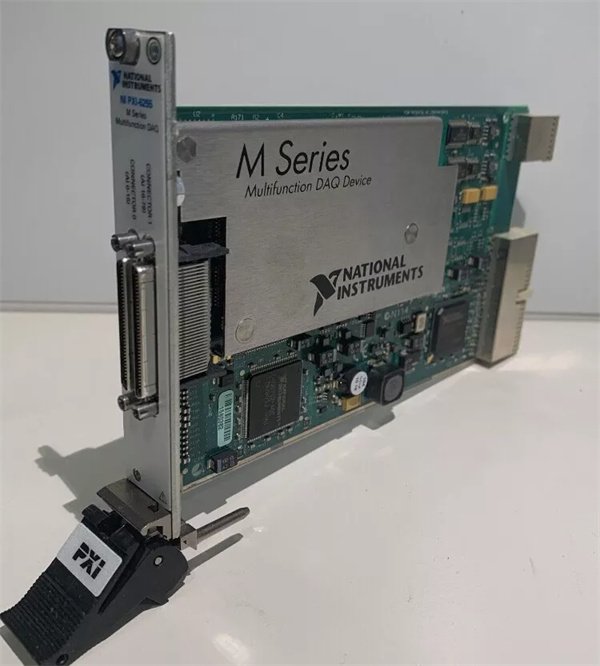
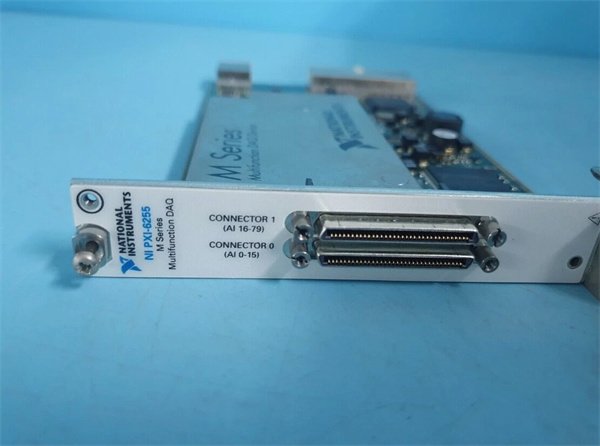
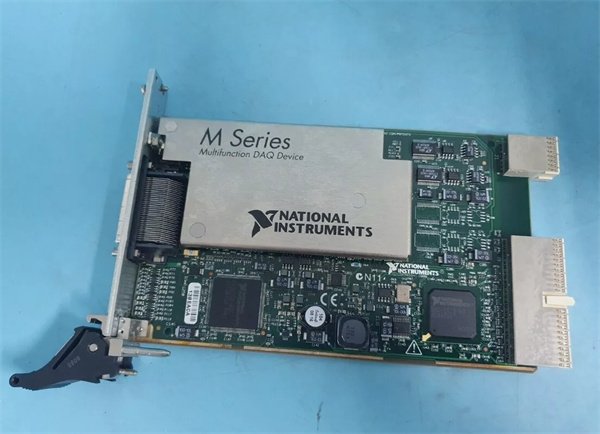
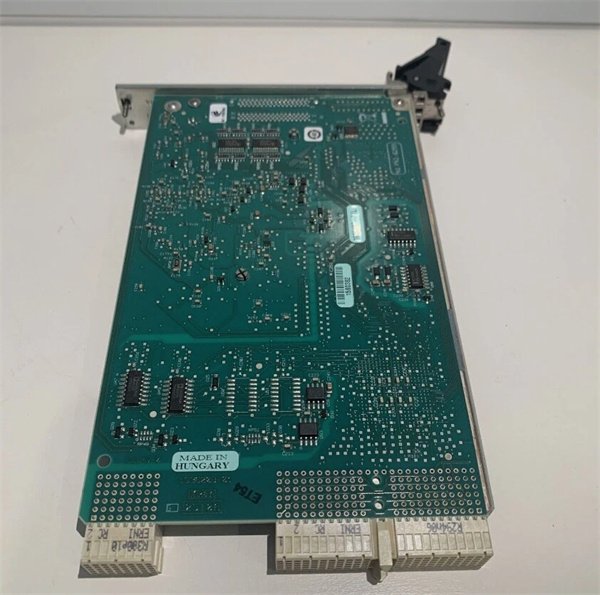
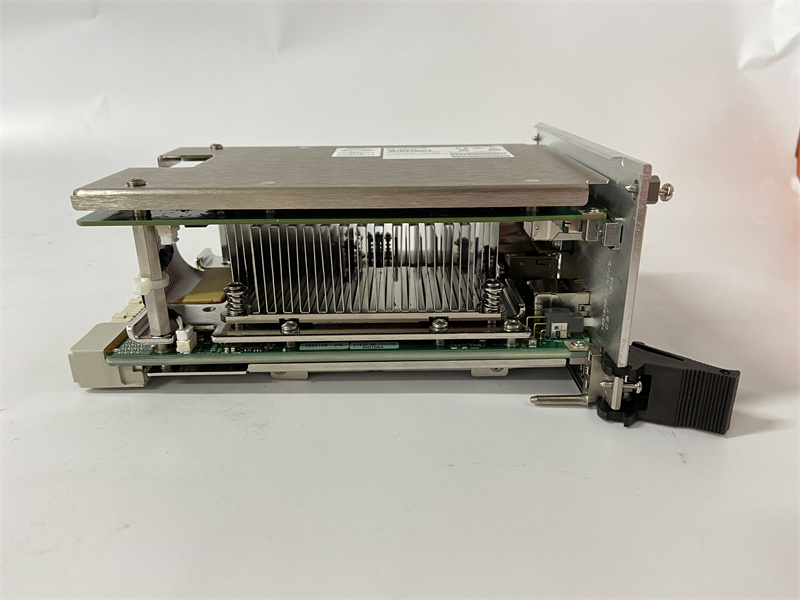
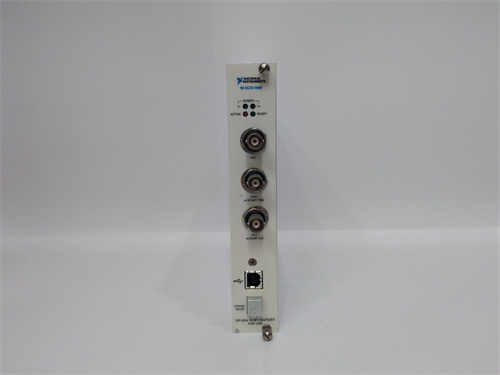
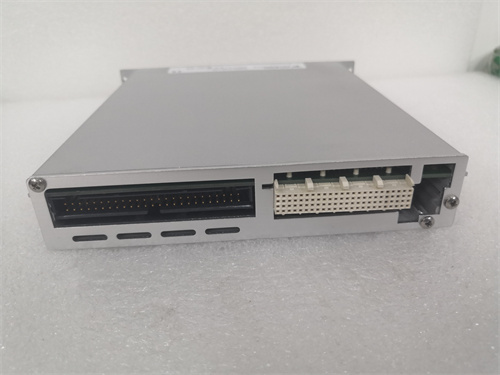
NI SCRIO-9627 783817-01 CompactRIO (cRIO) Embedded Controller
Manufacturer:NI
Product Number:NI SCRIO-9627 783817-01
Payment Methods:T/T, PayPal, Western Union
Condition:New & In Stock
Warranty:1 Year
Lead Time:1-3 Working Days
Certificate:COO
Courier partners:DHL, UPS, TNT, FedEx and EMS.
Business hours:7*24
Product Description
The NI cRIO-9627 783817-01 is a compact, rugged CompactRIO embedded controller developed by National Instruments (NI), engineered to deliver real-time control and high-speed data acquisition for edge industrial applications—far beyond the wiring-focused functionality of legacy accessories like the NI SCXI-1325. Unlike SCXI systems that rely on external PCs, the NI cRIO-9627 783817-01 integrates a dual-core ARM real-time processor and Xilinx FPGA in a standalone unit, enabling low-latency (sub-1 ms) control and direct connection to C Series I/O modules (e.g., NI 9208 for analog input, NI 9231 for strain gauges).
As a key model in NI’s modern cRIO lineup, the NI cRIO-9627 783817-01 excels in harsh environments where space and reliability are critical. For example, a renewable energy company uses the NI cRIO-9627 783817-01 to control a solar inverter: its -40 °C to 70 °C operating range withstands desert heat, while the FPGA executes 1 ms control loops to optimize power output. The controller’s two C Series slots support a NI 9208 (voltage monitoring) and NI 9213 (temperature sensing), eliminating the need for separate SCXI chassis like the NI SCXI-1000 and reducing system size by 60%. Whether used in industrial automation, aerospace testing, or smart infrastructure, the NI cRIO-9627 783817-01 provides a scalable, embedded solution for edge computing needs.
Detailed parameter table
| Parameter name | Parameter value |
| Product model | NI cRIO-9627 783817-01 |
| Manufacturer | National Instruments (NI) |
| Product category | CompactRIO (cRIO) Embedded Controller (Real-Time + FPGA) |
| Processing Core | Real-Time Processor: Dual-core ARM Cortex-A9 (1.33 GHz); FPGA: Xilinx Zynq-7020 (Artix-7 FPGA, 85k logic cells) |
| Memory | 1 GB DDR3 RAM (real-time processor); 256 MB QSPI flash (boot); 8 GB eMMC storage (user data) |
| I/O Expansion | 2 C Series module slots (compatible with NI C Series I/O modules: e.g., NI 9208, NI 9231); Supports hot-swapping of C Series modules |
| Communication Interfaces | 2× Gigabit Ethernet (1× for host communication, 1× for industrial protocols); 1× USB 2.0 (host); 1× RS-232/485 (configurable); 2× 1PPS/IRIG-B (time synchronization) |
| Operating System | NI Linux Real-Time (pre-installed); Supports LabVIEW Real-Time, C/C++, Python programming |
| Physical Dimensions | Compact form factor (146 mm × 102 mm × 54 mm); Weight: ~400 g; Mounting: DIN rail, panel mount, or wall mount (via optional brackets) |
| Environmental Requirements | Operating temperature: -40 °C to 70 °C (extended industrial range); Storage temperature: -40 °C to 85 °C; Relative humidity: 5%–95% (non-condensing, 40 °C); Vibration resistance: 5 g (10 Hz–500 Hz); Shock resistance: 50 g (11 ms half-sine) |
| Power Requirements | Input voltage: 9–36 VDC; Typical power consumption: 10 W (no C Series modules); Max power consumption: 25 W (with high-power C Series modules) |
| Safety & Compliance | CE, FCC Class B, UL 61010-1, IEC 61010-1, ATEX Zone 2 (optional); ESD protection: ±15 kV (air discharge), ±8 kV (contact discharge); Isolation: 250 Vrms (C Series module slots to chassis ground) |
| Additional Features | Integrated real-time clock (RTC) with battery backup; Watchdog timer (configurable); Support for industrial protocols: Modbus TCP, Ethernet/IP, PROFINET (via software add-ons) |
| Included Accessories |
Power cable (9–36 VDC), DIN rail mounting clip, quick start guide |
Core advantages and technical highlights
Rugged Design for Extreme Industrial Environments: The NI cRIO-9627 783817-01’s -40 °C to 70 °C operating range and 50 g shock resistance far exceed the capabilities of legacy SCXI systems (e.g., NI SCXI-1000’s 0 °C–55 °C range) and make it suitable for harsh edge applications. A mining company, for instance, deploys the NI cRIO-9627 783817-01 to monitor conveyor belt tension: the controller operates in -25 °C winter conditions, while its FPGA processes data from a NI 9231 strain gauge module to detect belt slippage in real time. Without this ruggedness, a PC-based SCXI system would fail due to temperature extremes or vibration, leading to unplanned downtime.
Low-Latency Real-Time + FPGA Processing: The NI cRIO-9627 783817-01 combines a 1.33 GHz dual-core ARM processor (for complex logic) and Xilinx FPGA (for high-speed I/O) to deliver sub-1 ms control latency—critical for time-sensitive applications like motion control or fault detection. An automotive manufacturer uses the controller to test engine fuel injectors: the FPGA generates 10 µs precision trigger signals for a NI 9263 analog output module, while the real-time processor logs injector performance data to local storage. This latency is 10× faster than PC-based SCXI systems (which rely on external DAQ cards like the NI PCI-6024E), ensuring accurate synchronization between control and measurement.
Scalable C Series Integration for Versatile I/O: With two C Series slots, the NI cRIO-9627 783817-01 supports a wide range of I/O types (analog, digital, thermocouple, strain) via NI’s C Series module ecosystem—unlike the NI SCXI-1325, which is limited to analog input wiring. A water treatment plant uses the controller with a NI 9205 (32-channel analog input) and NI 9474 (digital output) module: the NI 9205 monitors pH and chlorine levels, while the NI 9474 controls valves to adjust chemical dosing. The controller’s hot-swapping capability lets technicians replace modules without powering down the system, reducing maintenance downtime by 50% compared to SCXI setups.
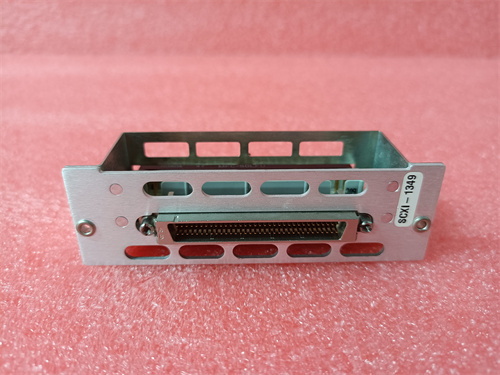
Industrial Connectivity & Protocol Support: The NI cRIO-9627 783817-01 includes Gigabit Ethernet, RS-232/485, and support for industrial protocols (Modbus TCP, Ethernet/IP) via software add-ons—enabling seamless integration with factory SCADA systems. A manufacturing plant uses the controller to connect to a Siemens PLC: its Ethernet/IP protocol support allows real-time data exchange (e.g., production counts, machine status) between the NI cRIO-9627 783817-01 (monitoring sensor data) and the PLC (managing production lines). This connectivity eliminates the need for external communication adapters like the NI SCXI-1349, simplifying system architecture and reducing points of failure.
Typical application scenarios
In aerospace ground testing, a defense contractor uses the NI cRIO-9627 783817-01 to validate aircraft landing gear components. The controller’s FPGA processes data from two C Series modules: a NI 9231 (4-channel strain gauge input) to measure gear stress and a NI 9213 (16-channel thermocouple input) to monitor hydraulic fluid temperature. The real-time processor runs a LabVIEW Real-Time application to log data at 1 kHz and trigger an emergency shutdown if stress exceeds safety thresholds. The NI cRIO-9627 783817-01’s -40 °C to 70 °C range withstands the test chamber’s extreme temperature cycles, while its 250 Vrms isolation protects it from voltage transients—ensuring reliable operation for 24/7 testing. This setup replaces a bulky SCXI system (NI SCXI-1000 + NI PCI-6024E), reducing test rig size by 70% and lowering power consumption by 40%.
In smart grid monitoring, a utility company deploys the NI cRIO-9627 783817-01 to monitor a substation’s transformers. The controller connects to a NI 9208 (16-channel analog input) module to measure voltage/current and a NI 9437 (digital input) module to detect circuit breaker status. The FPGA executes a 1 ms control loop to calculate power quality metrics (THD, power factor), while the real-time processor sends data to a cloud dashboard via Gigabit Ethernet. The NI cRIO-9627 783817-01’s DIN rail mounting fits in the substation’s control cabinet, and its ATEX Zone 2 compliance (optional) ensures safety in hazardous environments. This system reduces data latency by 80% compared to a legacy SCXI-based setup, enabling faster detection of power anomalies and reducing downtime for grid maintenance.
Installation, commissioning and maintenance instructions
Installation preparation: Before installing the NI cRIO-9627 783817-01, ensure the mounting location (DIN rail, panel) is free from dust, vibration, and extreme temperatures (-40 °C to 70 °C). Use the included DIN rail clip to secure the controller, or use an optional panel-mount bracket for wall installation. Connect a 9–36 VDC power supply to the controller’s power terminal block—ensure correct polarity (positive to +, negative to GND) to avoid damage. Insert C Series modules (e.g., NI 9208) into the two slots: align the module’s guide pins with the controller’s rails, push until it clicks, and secure with the front-panel screw. Connect sensors to the C Series modules using shielded cables (e.g., NI 9945) and power on the controller.
Commissioning and maintenance: Use NI Measurement & Automation Explorer (MAX) to detect the NI cRIO-9627 783817-01 via Gigabit Ethernet—configure network settings (IP address, subnet) for communication with the host PC. Install LabVIEW 2024 with the Real-Time and FPGA modules, then deploy a test application to verify I/O functionality (e.g., read voltage from the NI 9208). Calibrate C Series modules annually using a NIST-traceable reference (e.g., NI 9172) to maintain measurement accuracy. Inspect the controller quarterly: check power connections for tightness, clean the air vents with compressed air to prevent overheating, and verify module connections (reseat modules if communication is lost). Avoid exposing the NI cRIO-9627 783817-01 to humidity above 95% or voltages exceeding 36 VDC—extreme conditions can damage the processor or FPGA. Store spare modules in anti-static bags to prevent ESD damage.
 Loading comments...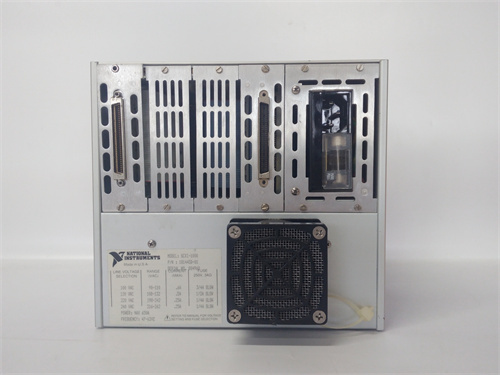
NI SCRIO-9627 783817-01 CompactRIO (cRIO) Embedded Controller
Manufacturer:NI
Product Number:NI SCRIO-9627 783817-01
Payment Methods:T/T, PayPal, Western Union
Condition:New & In Stock
Warranty:1 Year
Lead Time:1-3 Working Days
Certificate:COO
Courier partners:DHL, UPS, TNT, FedEx and EMS.
Business hours:7*24
Product Description
The NI cRIO-9627 783817-01 is a compact, rugged CompactRIO embedded controller developed by National Instruments (NI), engineered to deliver real-time control and high-speed data acquisition for edge industrial applications—far beyond the wiring-focused functionality of legacy accessories like the NI SCXI-1325. Unlike SCXI systems that rely on external PCs, the NI cRIO-9627 783817-01 integrates a dual-core ARM real-time processor and Xilinx FPGA in a standalone unit, enabling low-latency (sub-1 ms) control and direct connection to C Series I/O modules (e.g., NI 9208 for analog input, NI 9231 for strain gauges).
As a key model in NI’s modern cRIO lineup, the NI cRIO-9627 783817-01 excels in harsh environments where space and reliability are critical. For example, a renewable energy company uses the NI cRIO-9627 783817-01 to control a solar inverter: its -40 °C to 70 °C operating range withstands desert heat, while the FPGA executes 1 ms control loops to optimize power output. The controller’s two C Series slots support a NI 9208 (voltage monitoring) and NI 9213 (temperature sensing), eliminating the need for separate SCXI chassis like the NI SCXI-1000 and reducing system size by 60%. Whether used in industrial automation, aerospace testing, or smart infrastructure, the NI cRIO-9627 783817-01 provides a scalable, embedded solution for edge computing needs.
Detailed parameter table
| Parameter name | Parameter value |
| Product model | NI cRIO-9627 783817-01 |
| Manufacturer | National Instruments (NI) |
| Product category | CompactRIO (cRIO) Embedded Controller (Real-Time + FPGA) |
| Processing Core | Real-Time Processor: Dual-core ARM Cortex-A9 (1.33 GHz); FPGA: Xilinx Zynq-7020 (Artix-7 FPGA, 85k logic cells) |
| Memory | 1 GB DDR3 RAM (real-time processor); 256 MB QSPI flash (boot); 8 GB eMMC storage (user data) |
| I/O Expansion | 2 C Series module slots (compatible with NI C Series I/O modules: e.g., NI 9208, NI 9231); Supports hot-swapping of C Series modules |
| Communication Interfaces | 2× Gigabit Ethernet (1× for host communication, 1× for industrial protocols); 1× USB 2.0 (host); 1× RS-232/485 (configurable); 2× 1PPS/IRIG-B (time synchronization) |
| Operating System | NI Linux Real-Time (pre-installed); Supports LabVIEW Real-Time, C/C++, Python programming |
| Physical Dimensions | Compact form factor (146 mm × 102 mm × 54 mm); Weight: ~400 g; Mounting: DIN rail, panel mount, or wall mount (via optional brackets) |
| Environmental Requirements | Operating temperature: -40 °C to 70 °C (extended industrial range); Storage temperature: -40 °C to 85 °C; Relative humidity: 5%–95% (non-condensing, 40 °C); Vibration resistance: 5 g (10 Hz–500 Hz); Shock resistance: 50 g (11 ms half-sine) |
| Power Requirements | Input voltage: 9–36 VDC; Typical power consumption: 10 W (no C Series modules); Max power consumption: 25 W (with high-power C Series modules) |
| Safety & Compliance | CE, FCC Class B, UL 61010-1, IEC 61010-1, ATEX Zone 2 (optional); ESD protection: ±15 kV (air discharge), ±8 kV (contact discharge); Isolation: 250 Vrms (C Series module slots to chassis ground) |
| Additional Features | Integrated real-time clock (RTC) with battery backup; Watchdog timer (configurable); Support for industrial protocols: Modbus TCP, Ethernet/IP, PROFINET (via software add-ons) |
| Included Accessories |
Power cable (9–36 VDC), DIN rail mounting clip, quick start guide |
Core advantages and technical highlights
Rugged Design for Extreme Industrial Environments: The NI cRIO-9627 783817-01’s -40 °C to 70 °C operating range and 50 g shock resistance far exceed the capabilities of legacy SCXI systems (e.g., NI SCXI-1000’s 0 °C–55 °C range) and make it suitable for harsh edge applications. A mining company, for instance, deploys the NI cRIO-9627 783817-01 to monitor conveyor belt tension: the controller operates in -25 °C winter conditions, while its FPGA processes data from a NI 9231 strain gauge module to detect belt slippage in real time. Without this ruggedness, a PC-based SCXI system would fail due to temperature extremes or vibration, leading to unplanned downtime.
Low-Latency Real-Time + FPGA Processing: The NI cRIO-9627 783817-01 combines a 1.33 GHz dual-core ARM processor (for complex logic) and Xilinx FPGA (for high-speed I/O) to deliver sub-1 ms control latency—critical for time-sensitive applications like motion control or fault detection. An automotive manufacturer uses the controller to test engine fuel injectors: the FPGA generates 10 µs precision trigger signals for a NI 9263 analog output module, while the real-time processor logs injector performance data to local storage. This latency is 10× faster than PC-based SCXI systems (which rely on external DAQ cards like the NI PCI-6024E), ensuring accurate synchronization between control and measurement.
Scalable C Series Integration for Versatile I/O: With two C Series slots, the NI cRIO-9627 783817-01 supports a wide range of I/O types (analog, digital, thermocouple, strain) via NI’s C Series module ecosystem—unlike the NI SCXI-1325, which is limited to analog input wiring. A water treatment plant uses the controller with a NI 9205 (32-channel analog input) and NI 9474 (digital output) module: the NI 9205 monitors pH and chlorine levels, while the NI 9474 controls valves to adjust chemical dosing. The controller’s hot-swapping capability lets technicians replace modules without powering down the system, reducing maintenance downtime by 50% compared to SCXI setups.
Industrial Connectivity & Protocol Support: The NI cRIO-9627 783817-01 includes Gigabit Ethernet, RS-232/485, and support for industrial protocols (Modbus TCP, Ethernet/IP) via software add-ons—enabling seamless integration with factory SCADA systems. A manufacturing plant uses the controller to connect to a Siemens PLC: its Ethernet/IP protocol support allows real-time data exchange (e.g., production counts, machine status) between the NI cRIO-9627 783817-01 (monitoring sensor data) and the PLC (managing production lines). This connectivity eliminates the need for external communication adapters like the NI SCXI-1349, simplifying system architecture and reducing points of failure.
Typical application scenarios
In aerospace ground testing, a defense contractor uses the NI cRIO-9627 783817-01 to validate aircraft landing gear components. The controller’s FPGA processes data from two C Series modules: a NI 9231 (4-channel strain gauge input) to measure gear stress and a NI 9213 (16-channel thermocouple input) to monitor hydraulic fluid temperature. The real-time processor runs a LabVIEW Real-Time application to log data at 1 kHz and trigger an emergency shutdown if stress exceeds safety thresholds. The NI cRIO-9627 783817-01’s -40 °C to 70 °C range withstands the test chamber’s extreme temperature cycles, while its 250 Vrms isolation protects it from voltage transients—ensuring reliable operation for 24/7 testing. This setup replaces a bulky SCXI system (NI SCXI-1000 + NI PCI-6024E), reducing test rig size by 70% and lowering power consumption by 40%.
In smart grid monitoring, a utility company deploys the NI cRIO-9627 783817-01 to monitor a substation’s transformers. The controller connects to a NI 9208 (16-channel analog input) module to measure voltage/current and a NI 9437 (digital input) module to detect circuit breaker status. The FPGA executes a 1 ms control loop to calculate power quality metrics (THD, power factor), while the real-time processor sends data to a cloud dashboard via Gigabit Ethernet. The NI cRIO-9627 783817-01’s DIN rail mounting fits in the substation’s control cabinet, and its ATEX Zone 2 compliance (optional) ensures safety in hazardous environments. This system reduces data latency by 80% compared to a legacy SCXI-based setup, enabling faster detection of power anomalies and reducing downtime for grid maintenance.
Installation, commissioning and maintenance instructions
Installation preparation: Before installing the NI cRIO-9627 783817-01, ensure the mounting location (DIN rail, panel) is free from dust, vibration, and extreme temperatures (-40 °C to 70 °C). Use the included DIN rail clip to secure the controller, or use an optional panel-mount bracket for wall installation. Connect a 9–36 VDC power supply to the controller’s power terminal block—ensure correct polarity (positive to +, negative to GND) to avoid damage. Insert C Series modules (e.g., NI 9208) into the two slots: align the module’s guide pins with the controller’s rails, push until it clicks, and secure with the front-panel screw. Connect sensors to the C Series modules using shielded cables (e.g., NI 9945) and power on the controller.
Commissioning and maintenance: Use NI Measurement & Automation Explorer (MAX) to detect the NI cRIO-9627 783817-01 via Gigabit Ethernet—configure network settings (IP address, subnet) for communication with the host PC. Install LabVIEW 2024 with the Real-Time and FPGA modules, then deploy a test application to verify I/O functionality (e.g., read voltage from the NI 9208). Calibrate C Series modules annually using a NIST-traceable reference (e.g., NI 9172) to maintain measurement accuracy. Inspect the controller quarterly: check power connections for tightness, clean the air vents with compressed air to prevent overheating, and verify module connections (reseat modules if communication is lost). Avoid exposing the NI cRIO-9627 783817-01 to humidity above 95% or voltages exceeding 36 VDC—extreme conditions can damage the processor or FPGA. Store spare modules in anti-static bags to prevent ESD damage.

Need a Custom Automation Solution?
Our team of experts can design and implement a tailored automation system to meet your specific requirements.