
Our Products
Comprehensive industrial automation solutions for global industries
Contact us
If you are interested in our products and want to know more details,please Contact us,we will reply you as soon as we can.
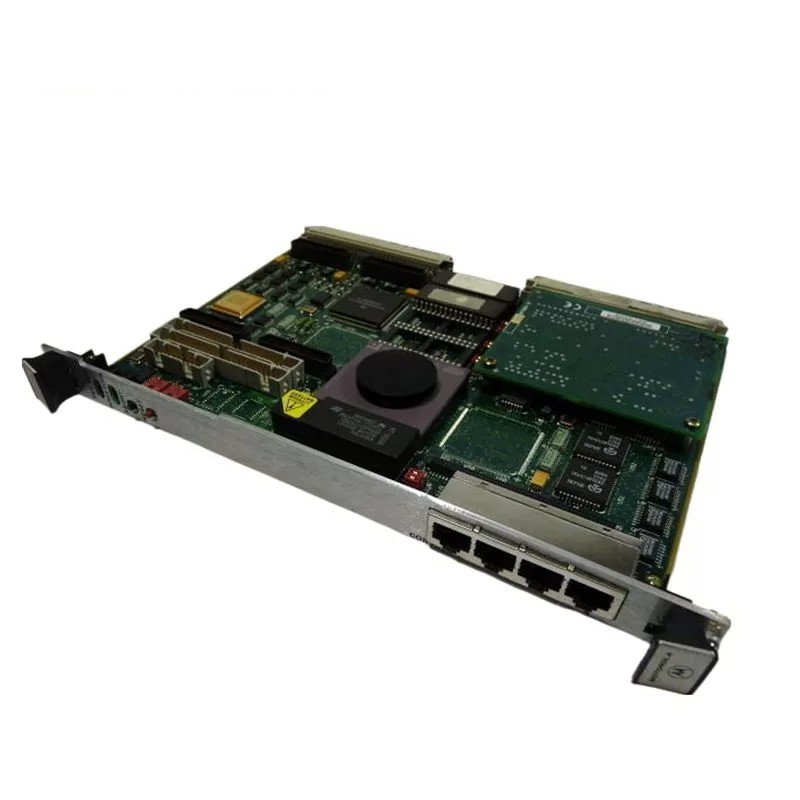
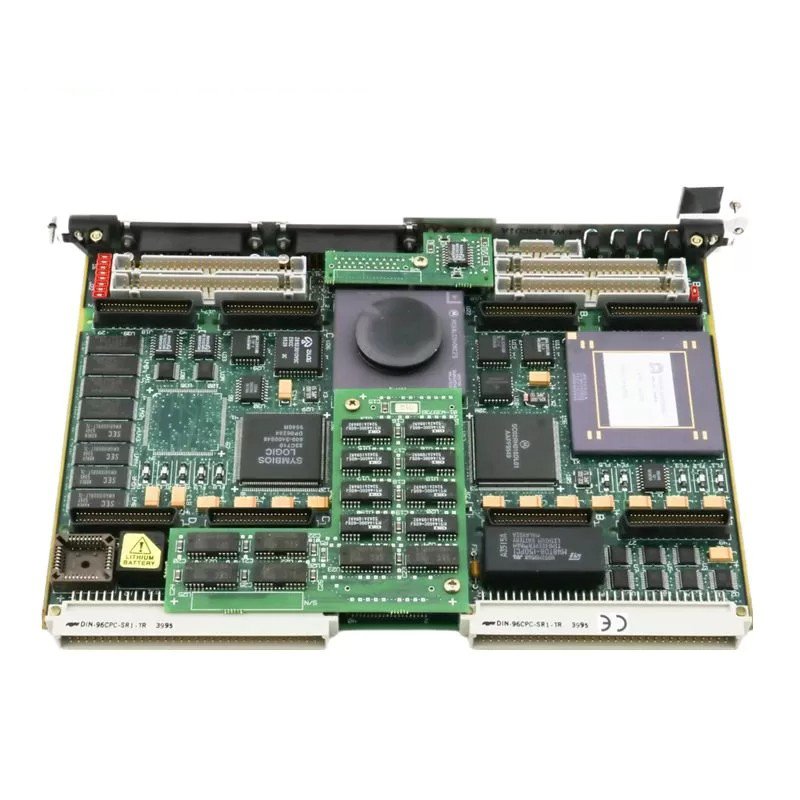
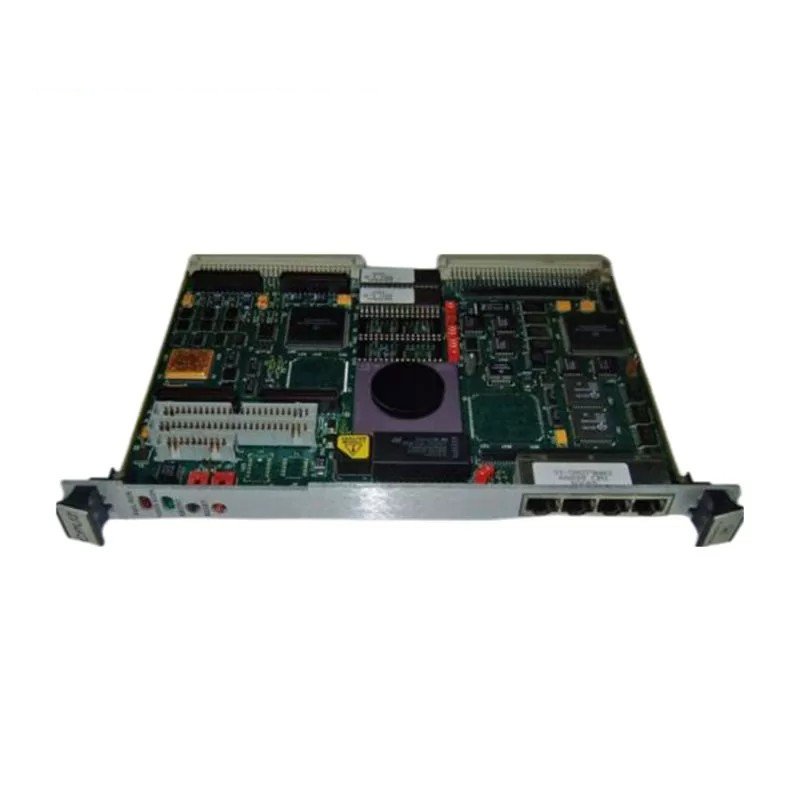
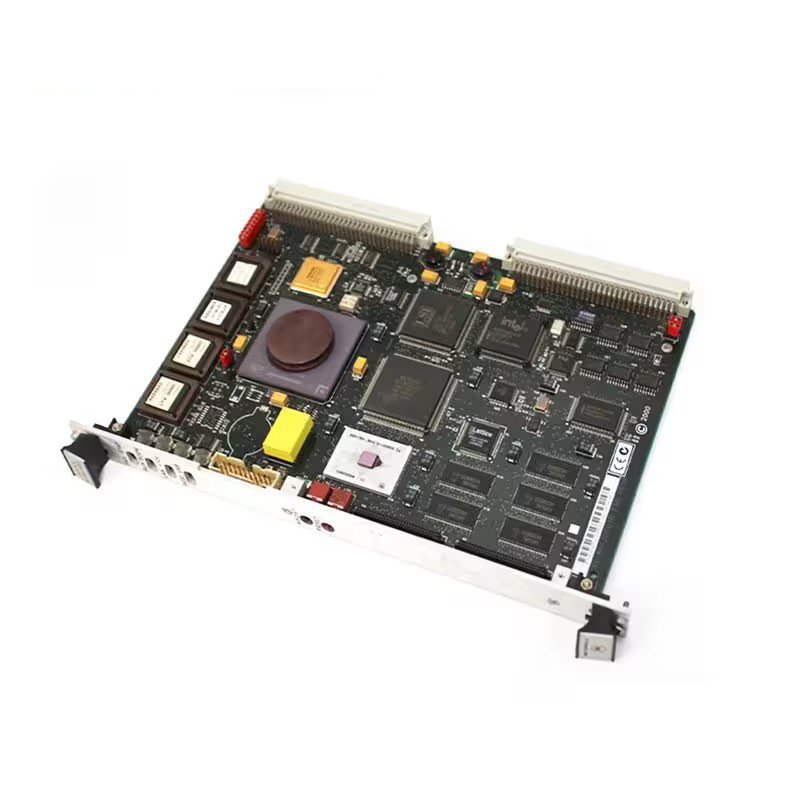
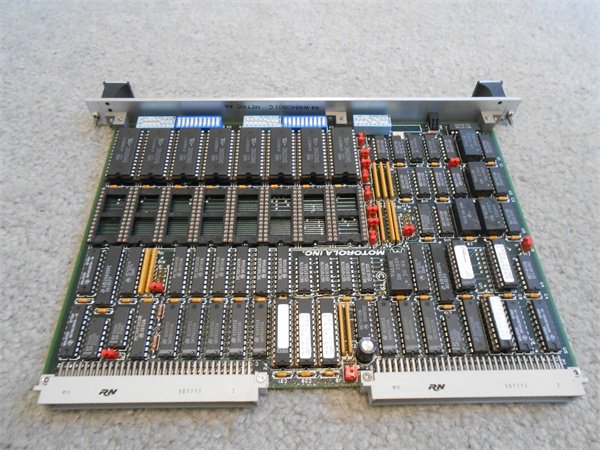
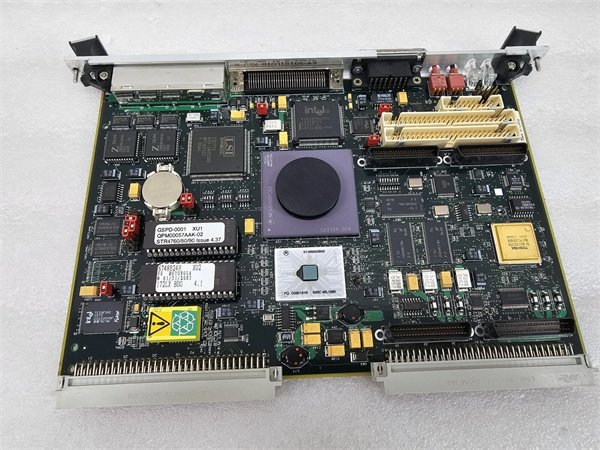
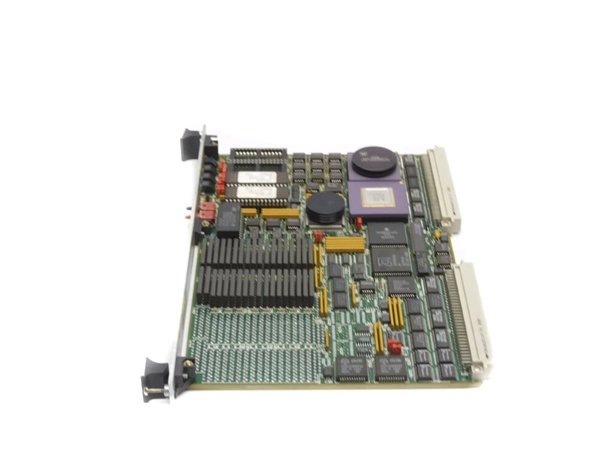
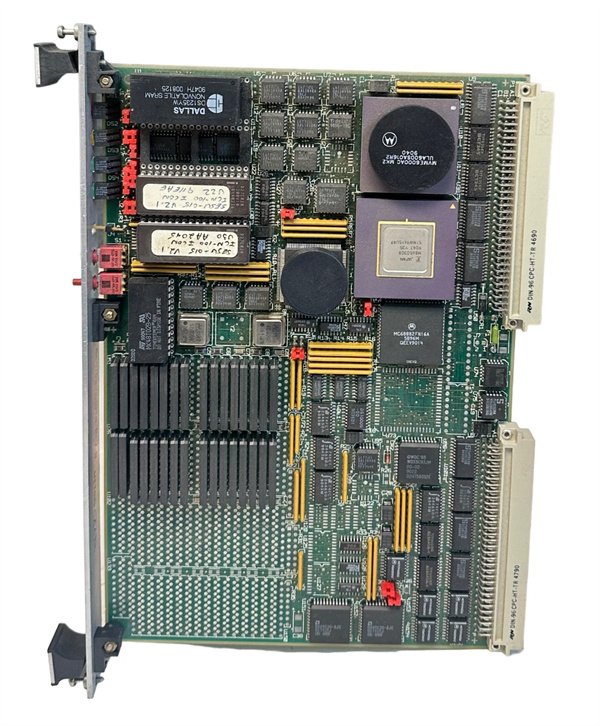
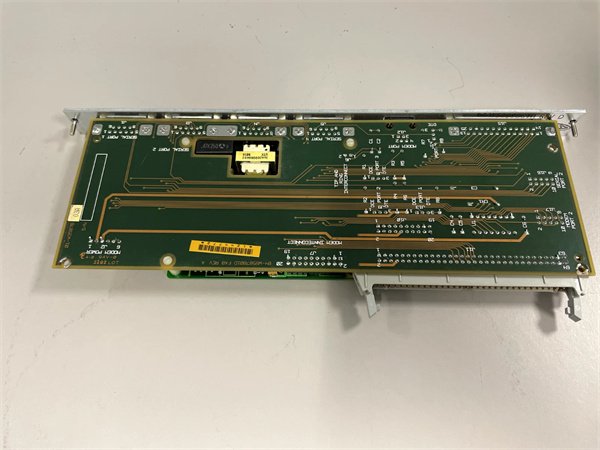
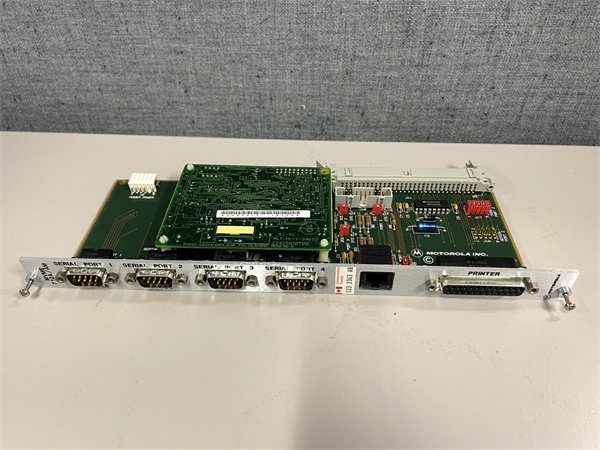
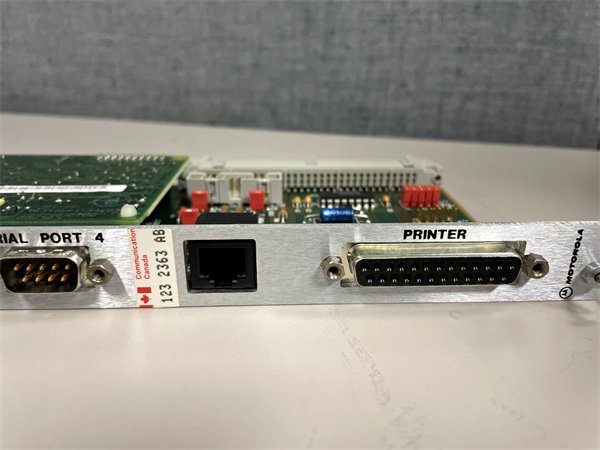
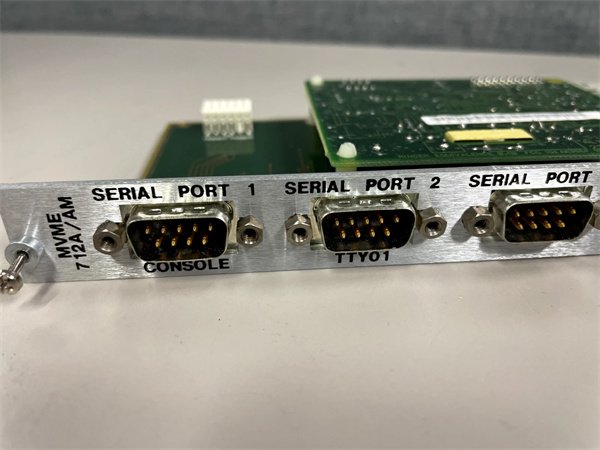
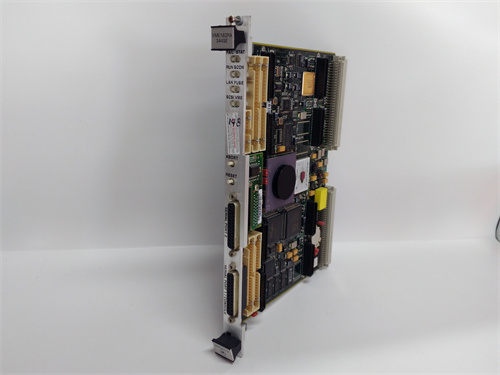
Motorola MVME712A/AM Enhanced Compact VMEbus Rear I/O Transition Module
Manufacturer: Motorola
Product Number: MVME712A/AM
Category: Enhanced Compact VMEbus Rear I/O Transition Module
Application: Upgrading mid-scale industrial systems with enhanced I/O capabilities
Function: Provides rear I/O transition for VMEbus systems with critical improvements over basic models
Product Description
The Motorola MVME712A/AM is an enhanced compact VMEbus rear I/O transition module designed to upgrade mid-scale industrial systems—building on the legacy of the basic Motorola MVME712/M while adding critical improvements. Unlike the MVME712/M (2 serial ports, no RS-485), Motorola MVME712A/AM delivers 3 isolated serial ports, a dedicated RS-485 multi-drop port, and isolated Ethernet—making it ideal for applications like small manufacturing cells, remote utility monitoring, or mid-tier robotic control, where the MVME712/M lacks connectivity and the MVME715P is overly large.
A defining value of Motorola MVME712A/AM is its balance of size, connectivity, and compatibility. Its 3U form factor fits in space-constrained cabinets (e.g., wall-mounted utility boxes) where the 6U MVME715P won’t fit, while its Rev B/C/D VMEbus support ensures it works with older SBCs like the Motorola MVME162-210 and newer models like the MVME162-512A. For users operating MVME712/M-based systems struggling with limited ports or noise issues, Motorola MVME712A/AM drops into existing VME chassis—adding RS-485 for sensor networks and better isolation for noisy environments, all without the cost of a full system upgrade.
Detailed parameter table
| Parameter name | Parameter value |
| Product model | Motorola MVME712A/AM |
| Manufacturer | Motorola (now supported under Emerson’s industrial portfolio) |
| Product category | Enhanced Compact VMEbus Rear I/O Transition Module for Mid-Scale Peripheral Integration |
| Interface Configuration | 3x EIA-232-D/422/485 serial ports (DB25, isolated); 1x 10Base-T Ethernet port (RJ45, isolated); 1x Centronics-compatible parallel port (DB15); 1x RS-485 multi-drop port (for sensor networks); VMEbus rear-panel connector (for SBC/I/O integration) |
| VMEbus Compliance | VMEbus Rev B/C/D; Slave-only operation; A16/A24 addressable; Interrupt support: 3 programmable levels (serial/Ethernet activity); Max data transfer rate: 8 MB/s (backward-compatible with Rev B) |
| Electromagnetic Protection | Front-panel RFI/EMI shielding (FCC Class B compliance); ESD protection (±15 kV contact, ±25 kV air) for all ports; Surge protection (1.5 kV) for Ethernet/serial ports |
| Physical Dimensions | 3U VMEbus form factor: 100 mm (H) × 220 mm (D); weight: ~380 g; Reinforced conformal coating (IPC-CC-830 Class 2+); Gold-plated edge connectors (150 microinches, corrosion-resistant); Lightweight metal EMI shield |
| Power Requirements | Powered via VMEbus (+5 VDC @ 0.4 A); No external power supply; Power consumption: ~2.2 W (typical); Reverse polarity protection + overcurrent fuses |
| Environmental Ratings | Operating temperature: -20 °C to +75 °C (broader than MVME712/M); Storage temperature: -40 °C to +85 °C; Shock resistance: 40 g (11 ms, IEC 60068-2-27); Vibration resistance: 10 g (10–2000 Hz, IEC 60068-2-6); Relative humidity: 5%–95% (non-condensing) |
| Safety & Compliance | UL 61010-1 (industrial); CSA C22.2 No. 61010-1; EN 61010-1; FCC Class B (enhanced EMC); IEC 61000-6-2 (industrial EMC immunity); RoHS 3 |
| Diagnostic Features | LED indicators (power: green; Ethernet activity: amber; serial 1–3 activity: blue; fault: red); VMEbus communication LED; Basic fault logging (via VMEbus to host SBC); No built-in self-test (BIST) |
| Compatible Devices | Motorola MVME162-210, Motorola MVME310, Motorola MVME162-512A; All VMEbus Rev B/C/D slave-capable SBCs (mid-scale industrial systems) |
| Supported Peripherals | Industrial serial scanners/modems; 10Base-T Ethernet switches; Centronics printers; RS-485 sensor networks (up to 32 devices); Serial-based HMIs |
Core advantages and technical highlights
3 Isolated Serial Ports + RS-485 Multi-Drop for Expanded Connectivity: Unlike the Motorola MVME712/M (2 serial ports, no RS-485), Motorola MVME712A/AM adds a third serial port and dedicated RS-485 port—critical for mid-scale sensor networks. A small food processing plant uses the module with Motorola MVME162-210 to control a packaging line: 1 serial port connects to a barcode scanner, 1 to a label printer, 1 to a temperature controller, and the RS-485 port links to 8 conveyor speed sensors. Using Motorola MVME712A/AM replaces the MVME712/M plus 2 standalone converters, saving $900 in hardware costs and reducing wiring by 50%—cutting installation time from 6 hours to 2.
Isolated Ethernet for Reliable Networked Monitoring: Motorola MVME712A/AM includes an isolated 10Base-T Ethernet port (absent in some early MVME712/M variants)—enabling networked oversight of mid-scale systems. A rural water district uses the module with Motorola MVME310 to monitor 5 well pumps: Ethernet connects the MVME310 to a central SCADA system, allowing remote pump status checks and data logging. The port’s isolation resists electrical noise from well motors, whereas a non-isolated Ethernet adapter suffered 12% data loss (causing missed pump alerts). This reliability reduces on-site visits by 70% (saving $3,500 annually) compared to the MVME712/M (which required manual data collection).
3U Compact Form Factor for Space-Constrained Systems: The module’s 3U VME design (vs. 6U MVME715P) fits in small enclosures—ideal for mobile or wall-mounted systems. A logistics company uses Motorola MVME712A/AM with Motorola MVME162-512A in a truck-mounted inventory scanner: the 3U size allows the module, SBC, and power supply to fit in a 6U cabinet (mounted behind the truck cab), whereas the MVME715P would require a 12U cabinet (too large for the truck). The compact design also reduces cabinet weight by 35% (critical for vehicle fuel efficiency), saving the company $1,200 annually in fuel costs per truck.
-20 °C to +75 °C Operating Range for Broad Environments: Motorola MVME712A/AM’s operating range (broader than the MVME712/M’s 0 °C–+55 °C) handles colder and hotter conditions. A warehouse in a northern climate uses the module with Motorola MVME310 to control a refrigerated storage system: the -20 °C tolerance ensures reliable operation in the warehouse’s -15 °C cold zone, while the MVME712/M failed to boot in temperatures below 0 °C. This avoids $2,000 in per-incident downtime costs (from frozen inventory) and extends the system’s usable season by 4 months annually.
Typical application scenarios
In mid-scale manufacturing automation, a small automotive parts supplier uses Motorola MVME712A/AM with Motorola MVME162-210 to control a 3-station assembly line. The module’s 3 serial ports connect to a robotic arm controller, a quality inspection camera, and a part counter—while the RS-485 port links to 6 torque sensors (monitoring bolt tightness). The Ethernet port streams production data to a local MES system, enabling real-time output tracking. Compared to the Motorola MVME712/M, the module eliminates 2 external converters, saving (800 in hardware costs, and its isolation reduces torque sensor data errors by 18%—cutting rework costs by )3,000 monthly. The 3U size also fits in the assembly line’s compact control cabinet, avoiding a $1,500 cabinet upgrade.
In remote utility monitoring, a county uses Motorola MVME712A/AM with Motorola MVME310 to manage 10 streetlight controllers. Each module’s RS-485 port connects to 5 streetlight sensors (monitoring brightness/power usage), 1 serial port links to a local HMI, and Ethernet sends data to a county-wide SCADA system. The module’s -20 °C to +75 °C tolerance withstands seasonal temperature swings (from -18 °C in winter to +70 °C in summer), while the MVME712/M required winter shutdowns (costing (500 per incident in manual overrides). This setup saves the county )4,000 annually in maintenance and improves streetlight energy efficiency by 12% (via remote dimming).
Installation preparation
Before installing Motorola MVME712A/AM, power off the VMEbus chassis (3U mini chassis recommended) and wear an ESD wristband. Verify the chassis supports VMEbus Rev B/C/D, has a free 3U slot, and provides sufficient VMEbus power (+5 VDC @ 0.4 A). Gather tools: Phillips screwdriver, shielded serial/RS-485 cables (Belden 9841 recommended), Ethernet cable, and multimeter (check +5 VDC ±5%). For RS-485 wiring, use a daisy-chain topology (not star) to avoid signal reflections—terminate the last sensor with a 120 Ω resistor. When pairing with MVME162-210, configure the module’s VME address to 0x18 (avoiding the SBC’s default range).
Maintenance suggestions
Conduct semi-annual maintenance on Motorola MVME712A/AM: 1) Check LEDs—green power, blinking amber Ethernet, blinking blue serial, no red fault = normal; 2) Test Ethernet connectivity by pinging the module from the host SBC; 3) Clean the module’s connectors and EMI shield with low-pressure compressed air (15 PSI max) to remove dust. Replace the overcurrent fuse (500 mA fast-blow) if ports fail; use only Emerson-approved fuses. For troubleshooting, if RS-485 sensors don’t respond, check termination resistors and cable polarity; if Ethernet drops, test the cable with a continuity tester. Store a spare Motorola MVME712A/AM with matching VME address settings to minimize downtime for mid-scale systems.
Service and guarantee commitment
Emerson provides tailored support for Motorola MVME712A/AM, aligned with its role in mid-scale industrial integration. The standard warranty is 3 years, covering all interfaces (serial, Ethernet, RS-485), EMI shielding, and VMEbus components—ensuring compatibility with companion SBCs like the Motorola MVME162-210. For users in manufacturing, utilities, or logistics, the Mid-Scale I/O Support Plan extends coverage to 5 years, offering 24/5 technical support (6-hour response time for connectivity issues), access to obsolete parts (e.g., RS-485 transceivers), and wiring guides for sensor networks.
Customers receive a dedicated resource library for Motorola MVME712A/AM, including RS-485 topology diagrams, Ethernet configuration tips, and compatibility charts for legacy SBCs. For repairs, Emerson offers a flat-rate service ($180 per unit) with a 1-week turnaround, including full functional testing of all ports and EMC verification. This commitment reflects Emerson’s understanding that Motorola MVME712A/AM is the “connectivity bridge” for mid-scale systems—and its goal to ensure reliable, cost-effective peripheral integration for users worldwide.
Installation preparation
Before installing Motorola MVME712A/AM, power off the VMEbus chassis (3U mini chassis recommended) and wear an ESD wristband. Verify the chassis supports VMEbus Rev B/C/D, has a free 3U slot, and provides sufficient VMEbus power (+5 VDC @ 0.4 A). Gather tools: Phillips screwdriver, shielded serial/RS-485 cables (Belden 9841 recommended), Ethernet cable, and multimeter (check +5 VDC ±5%). For RS-485 wiring, use a daisy-chain topology (not star) to avoid signal reflections—terminate the last sensor with a 120 Ω resistor. When pairing with MVME162-210, configure the module’s VME address to 0x18 (avoiding the SBC’s default range).
Maintenance suggestions
Conduct semi-annual maintenance on Motorola MVME712A/AM: 1) Check LEDs—green power, blinking amber Ethernet, blinking blue serial, no red fault = normal; 2) Test Ethernet connectivity by pinging the module from the host SBC; 3) Clean the module’s connectors and EMI shield with low-pressure compressed air (15 PSI max) to remove dust. Replace the overcurrent fuse (500 mA fast-blow) if ports fail; use only Emerson-approved fuses. For troubleshooting, if RS-485 sensors don’t respond, check termination resistors and cable polarity; if Ethernet drops, test the cable with a continuity tester. Store a spare Motorola MVME712A/AM with matching VME address settings to minimize downtime for mid-scale systems.
Service and guarantee commitment
Emerson provides tailored support for Motorola MVME712A/AM, aligned with its role in mid-scale industrial integration. The standard warranty is 3 years, covering all interfaces (serial, Ethernet, RS-485), EMI shielding, and VMEbus components—ensuring compatibility with companion SBCs like the Motorola MVME162-210. For users in manufacturing, utilities, or logistics, the Mid-Scale I/O Support Plan extends coverage to 5 years, offering 24/5 technical support (6-hour response time for connectivity issues), access to obsolete parts (e.g., RS-485 transceivers), and wiring guides for sensor networks.
Customers receive a dedicated resource library for Motorola MVME712A/AM, including RS-485 topology diagrams, Ethernet configuration tips, and compatibility charts for legacy SBCs. For repairs, Emerson offers a flat-rate service ($180 per unit) with a 1-week turnaround, including full functional testing of all ports and EMC verification. This commitment reflects Emerson’s understanding that Motorola MVME712A/AM is the “connectivity bridge” for mid-scale systems—and its goal to ensure reliable, cost-effective peripheral integration for users worldwide.
 Loading comments...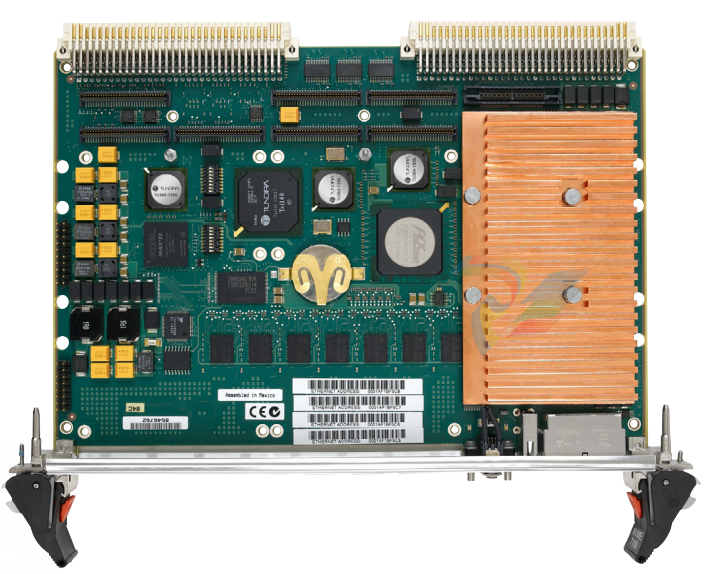
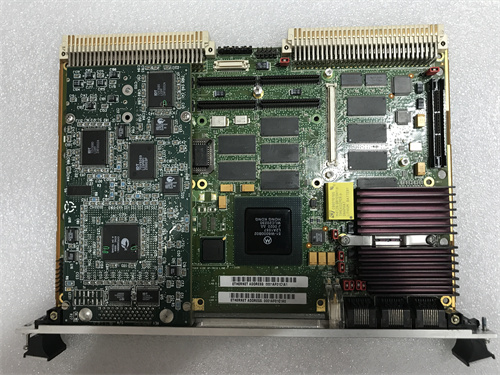
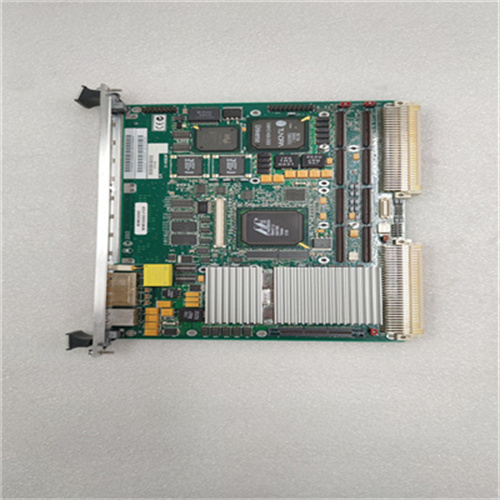
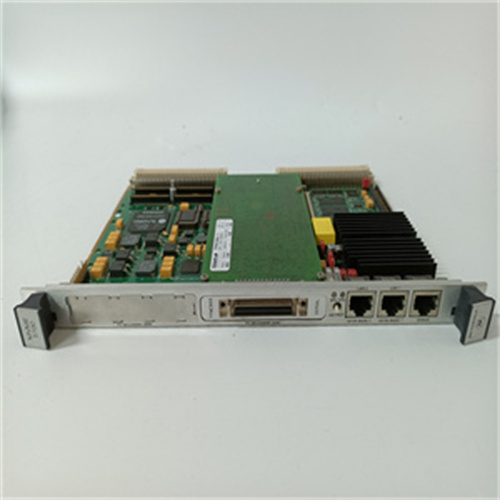
Motorola MVME712A/AM Enhanced Compact VMEbus Rear I/O Transition Module
Manufacturer: Motorola
Product Number: MVME712A/AM
Category: Enhanced Compact VMEbus Rear I/O Transition Module
Application: Upgrading mid-scale industrial systems with enhanced I/O capabilities
Function: Provides rear I/O transition for VMEbus systems with critical improvements over basic models
Product Description
The Motorola MVME712A/AM is an enhanced compact VMEbus rear I/O transition module designed to upgrade mid-scale industrial systems—building on the legacy of the basic Motorola MVME712/M while adding critical improvements. Unlike the MVME712/M (2 serial ports, no RS-485), Motorola MVME712A/AM delivers 3 isolated serial ports, a dedicated RS-485 multi-drop port, and isolated Ethernet—making it ideal for applications like small manufacturing cells, remote utility monitoring, or mid-tier robotic control, where the MVME712/M lacks connectivity and the MVME715P is overly large.
A defining value of Motorola MVME712A/AM is its balance of size, connectivity, and compatibility. Its 3U form factor fits in space-constrained cabinets (e.g., wall-mounted utility boxes) where the 6U MVME715P won’t fit, while its Rev B/C/D VMEbus support ensures it works with older SBCs like the Motorola MVME162-210 and newer models like the MVME162-512A. For users operating MVME712/M-based systems struggling with limited ports or noise issues, Motorola MVME712A/AM drops into existing VME chassis—adding RS-485 for sensor networks and better isolation for noisy environments, all without the cost of a full system upgrade.
Detailed parameter table
| Parameter name | Parameter value |
| Product model | Motorola MVME712A/AM |
| Manufacturer | Motorola (now supported under Emerson’s industrial portfolio) |
| Product category | Enhanced Compact VMEbus Rear I/O Transition Module for Mid-Scale Peripheral Integration |
| Interface Configuration | 3x EIA-232-D/422/485 serial ports (DB25, isolated); 1x 10Base-T Ethernet port (RJ45, isolated); 1x Centronics-compatible parallel port (DB15); 1x RS-485 multi-drop port (for sensor networks); VMEbus rear-panel connector (for SBC/I/O integration) |
| VMEbus Compliance | VMEbus Rev B/C/D; Slave-only operation; A16/A24 addressable; Interrupt support: 3 programmable levels (serial/Ethernet activity); Max data transfer rate: 8 MB/s (backward-compatible with Rev B) |
| Electromagnetic Protection | Front-panel RFI/EMI shielding (FCC Class B compliance); ESD protection (±15 kV contact, ±25 kV air) for all ports; Surge protection (1.5 kV) for Ethernet/serial ports |
| Physical Dimensions | 3U VMEbus form factor: 100 mm (H) × 220 mm (D); weight: ~380 g; Reinforced conformal coating (IPC-CC-830 Class 2+); Gold-plated edge connectors (150 microinches, corrosion-resistant); Lightweight metal EMI shield |
| Power Requirements | Powered via VMEbus (+5 VDC @ 0.4 A); No external power supply; Power consumption: ~2.2 W (typical); Reverse polarity protection + overcurrent fuses |
| Environmental Ratings | Operating temperature: -20 °C to +75 °C (broader than MVME712/M); Storage temperature: -40 °C to +85 °C; Shock resistance: 40 g (11 ms, IEC 60068-2-27); Vibration resistance: 10 g (10–2000 Hz, IEC 60068-2-6); Relative humidity: 5%–95% (non-condensing) |
| Safety & Compliance | UL 61010-1 (industrial); CSA C22.2 No. 61010-1; EN 61010-1; FCC Class B (enhanced EMC); IEC 61000-6-2 (industrial EMC immunity); RoHS 3 |
| Diagnostic Features | LED indicators (power: green; Ethernet activity: amber; serial 1–3 activity: blue; fault: red); VMEbus communication LED; Basic fault logging (via VMEbus to host SBC); No built-in self-test (BIST) |
| Compatible Devices | Motorola MVME162-210, Motorola MVME310, Motorola MVME162-512A; All VMEbus Rev B/C/D slave-capable SBCs (mid-scale industrial systems) |
| Supported Peripherals | Industrial serial scanners/modems; 10Base-T Ethernet switches; Centronics printers; RS-485 sensor networks (up to 32 devices); Serial-based HMIs |
Core advantages and technical highlights
3 Isolated Serial Ports + RS-485 Multi-Drop for Expanded Connectivity: Unlike the Motorola MVME712/M (2 serial ports, no RS-485), Motorola MVME712A/AM adds a third serial port and dedicated RS-485 port—critical for mid-scale sensor networks. A small food processing plant uses the module with Motorola MVME162-210 to control a packaging line: 1 serial port connects to a barcode scanner, 1 to a label printer, 1 to a temperature controller, and the RS-485 port links to 8 conveyor speed sensors. Using Motorola MVME712A/AM replaces the MVME712/M plus 2 standalone converters, saving $900 in hardware costs and reducing wiring by 50%—cutting installation time from 6 hours to 2.
Isolated Ethernet for Reliable Networked Monitoring: Motorola MVME712A/AM includes an isolated 10Base-T Ethernet port (absent in some early MVME712/M variants)—enabling networked oversight of mid-scale systems. A rural water district uses the module with Motorola MVME310 to monitor 5 well pumps: Ethernet connects the MVME310 to a central SCADA system, allowing remote pump status checks and data logging. The port’s isolation resists electrical noise from well motors, whereas a non-isolated Ethernet adapter suffered 12% data loss (causing missed pump alerts). This reliability reduces on-site visits by 70% (saving $3,500 annually) compared to the MVME712/M (which required manual data collection).
3U Compact Form Factor for Space-Constrained Systems: The module’s 3U VME design (vs. 6U MVME715P) fits in small enclosures—ideal for mobile or wall-mounted systems. A logistics company uses Motorola MVME712A/AM with Motorola MVME162-512A in a truck-mounted inventory scanner: the 3U size allows the module, SBC, and power supply to fit in a 6U cabinet (mounted behind the truck cab), whereas the MVME715P would require a 12U cabinet (too large for the truck). The compact design also reduces cabinet weight by 35% (critical for vehicle fuel efficiency), saving the company $1,200 annually in fuel costs per truck.
-20 °C to +75 °C Operating Range for Broad Environments: Motorola MVME712A/AM’s operating range (broader than the MVME712/M’s 0 °C–+55 °C) handles colder and hotter conditions. A warehouse in a northern climate uses the module with Motorola MVME310 to control a refrigerated storage system: the -20 °C tolerance ensures reliable operation in the warehouse’s -15 °C cold zone, while the MVME712/M failed to boot in temperatures below 0 °C. This avoids $2,000 in per-incident downtime costs (from frozen inventory) and extends the system’s usable season by 4 months annually.
Typical application scenarios
In mid-scale manufacturing automation, a small automotive parts supplier uses Motorola MVME712A/AM with Motorola MVME162-210 to control a 3-station assembly line. The module’s 3 serial ports connect to a robotic arm controller, a quality inspection camera, and a part counter—while the RS-485 port links to 6 torque sensors (monitoring bolt tightness). The Ethernet port streams production data to a local MES system, enabling real-time output tracking. Compared to the Motorola MVME712/M, the module eliminates 2 external converters, saving (800 in hardware costs, and its isolation reduces torque sensor data errors by 18%—cutting rework costs by )3,000 monthly. The 3U size also fits in the assembly line’s compact control cabinet, avoiding a $1,500 cabinet upgrade.
In remote utility monitoring, a county uses Motorola MVME712A/AM with Motorola MVME310 to manage 10 streetlight controllers. Each module’s RS-485 port connects to 5 streetlight sensors (monitoring brightness/power usage), 1 serial port links to a local HMI, and Ethernet sends data to a county-wide SCADA system. The module’s -20 °C to +75 °C tolerance withstands seasonal temperature swings (from -18 °C in winter to +70 °C in summer), while the MVME712/M required winter shutdowns (costing (500 per incident in manual overrides). This setup saves the county )4,000 annually in maintenance and improves streetlight energy efficiency by 12% (via remote dimming).
Installation preparation
Before installing Motorola MVME712A/AM, power off the VMEbus chassis (3U mini chassis recommended) and wear an ESD wristband. Verify the chassis supports VMEbus Rev B/C/D, has a free 3U slot, and provides sufficient VMEbus power (+5 VDC @ 0.4 A). Gather tools: Phillips screwdriver, shielded serial/RS-485 cables (Belden 9841 recommended), Ethernet cable, and multimeter (check +5 VDC ±5%). For RS-485 wiring, use a daisy-chain topology (not star) to avoid signal reflections—terminate the last sensor with a 120 Ω resistor. When pairing with MVME162-210, configure the module’s VME address to 0x18 (avoiding the SBC’s default range).
Maintenance suggestions
Conduct semi-annual maintenance on Motorola MVME712A/AM: 1) Check LEDs—green power, blinking amber Ethernet, blinking blue serial, no red fault = normal; 2) Test Ethernet connectivity by pinging the module from the host SBC; 3) Clean the module’s connectors and EMI shield with low-pressure compressed air (15 PSI max) to remove dust. Replace the overcurrent fuse (500 mA fast-blow) if ports fail; use only Emerson-approved fuses. For troubleshooting, if RS-485 sensors don’t respond, check termination resistors and cable polarity; if Ethernet drops, test the cable with a continuity tester. Store a spare Motorola MVME712A/AM with matching VME address settings to minimize downtime for mid-scale systems.
Service and guarantee commitment
Emerson provides tailored support for Motorola MVME712A/AM, aligned with its role in mid-scale industrial integration. The standard warranty is 3 years, covering all interfaces (serial, Ethernet, RS-485), EMI shielding, and VMEbus components—ensuring compatibility with companion SBCs like the Motorola MVME162-210. For users in manufacturing, utilities, or logistics, the Mid-Scale I/O Support Plan extends coverage to 5 years, offering 24/5 technical support (6-hour response time for connectivity issues), access to obsolete parts (e.g., RS-485 transceivers), and wiring guides for sensor networks.
Customers receive a dedicated resource library for Motorola MVME712A/AM, including RS-485 topology diagrams, Ethernet configuration tips, and compatibility charts for legacy SBCs. For repairs, Emerson offers a flat-rate service ($180 per unit) with a 1-week turnaround, including full functional testing of all ports and EMC verification. This commitment reflects Emerson’s understanding that Motorola MVME712A/AM is the “connectivity bridge” for mid-scale systems—and its goal to ensure reliable, cost-effective peripheral integration for users worldwide.
Installation preparation
Before installing Motorola MVME712A/AM, power off the VMEbus chassis (3U mini chassis recommended) and wear an ESD wristband. Verify the chassis supports VMEbus Rev B/C/D, has a free 3U slot, and provides sufficient VMEbus power (+5 VDC @ 0.4 A). Gather tools: Phillips screwdriver, shielded serial/RS-485 cables (Belden 9841 recommended), Ethernet cable, and multimeter (check +5 VDC ±5%). For RS-485 wiring, use a daisy-chain topology (not star) to avoid signal reflections—terminate the last sensor with a 120 Ω resistor. When pairing with MVME162-210, configure the module’s VME address to 0x18 (avoiding the SBC’s default range).
Maintenance suggestions
Conduct semi-annual maintenance on Motorola MVME712A/AM: 1) Check LEDs—green power, blinking amber Ethernet, blinking blue serial, no red fault = normal; 2) Test Ethernet connectivity by pinging the module from the host SBC; 3) Clean the module’s connectors and EMI shield with low-pressure compressed air (15 PSI max) to remove dust. Replace the overcurrent fuse (500 mA fast-blow) if ports fail; use only Emerson-approved fuses. For troubleshooting, if RS-485 sensors don’t respond, check termination resistors and cable polarity; if Ethernet drops, test the cable with a continuity tester. Store a spare Motorola MVME712A/AM with matching VME address settings to minimize downtime for mid-scale systems.
Service and guarantee commitment
Emerson provides tailored support for Motorola MVME712A/AM, aligned with its role in mid-scale industrial integration. The standard warranty is 3 years, covering all interfaces (serial, Ethernet, RS-485), EMI shielding, and VMEbus components—ensuring compatibility with companion SBCs like the Motorola MVME162-210. For users in manufacturing, utilities, or logistics, the Mid-Scale I/O Support Plan extends coverage to 5 years, offering 24/5 technical support (6-hour response time for connectivity issues), access to obsolete parts (e.g., RS-485 transceivers), and wiring guides for sensor networks.
Customers receive a dedicated resource library for Motorola MVME712A/AM, including RS-485 topology diagrams, Ethernet configuration tips, and compatibility charts for legacy SBCs. For repairs, Emerson offers a flat-rate service ($180 per unit) with a 1-week turnaround, including full functional testing of all ports and EMC verification. This commitment reflects Emerson’s understanding that Motorola MVME712A/AM is the “connectivity bridge” for mid-scale systems—and its goal to ensure reliable, cost-effective peripheral integration for users worldwide.


Need a Custom Automation Solution?
Our team of experts can design and implement a tailored automation system to meet your specific requirements.