
Our Products
Comprehensive industrial automation solutions for global industries
Contact us
If you are interested in our products and want to know more details,please Contact us,we will reply you as soon as we can.
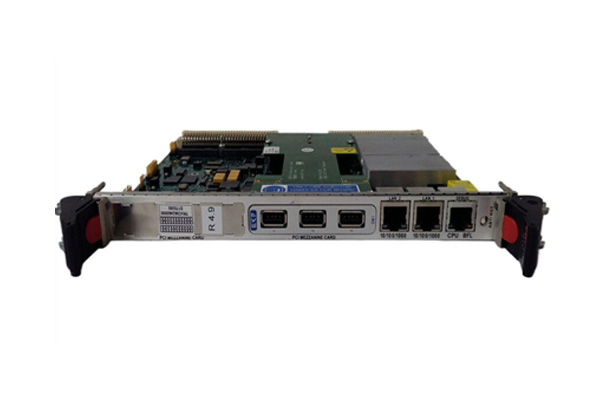
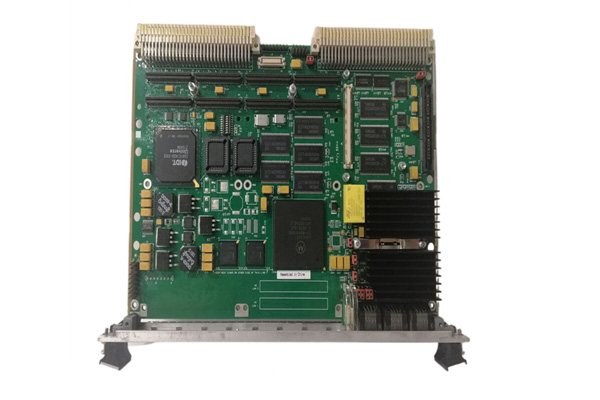
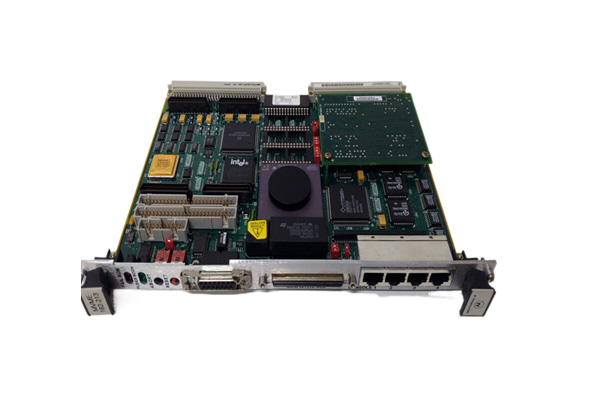
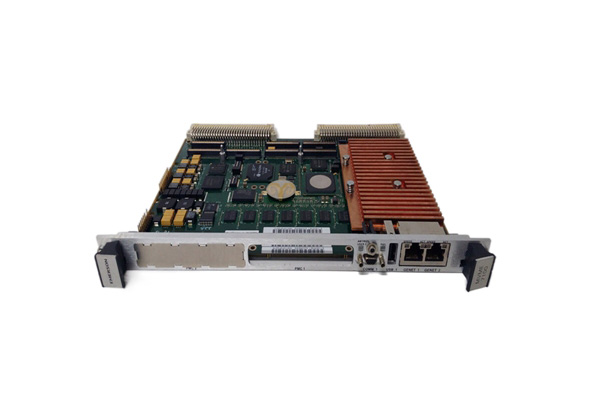
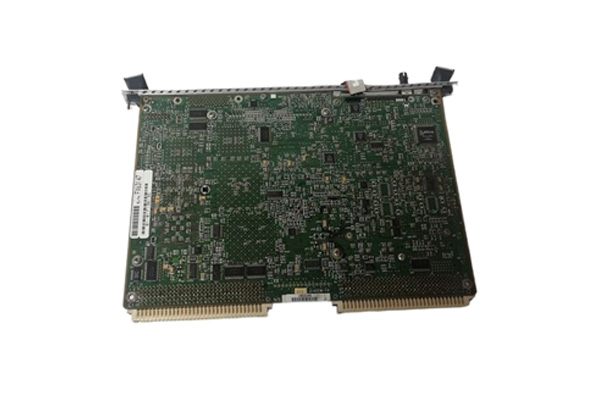
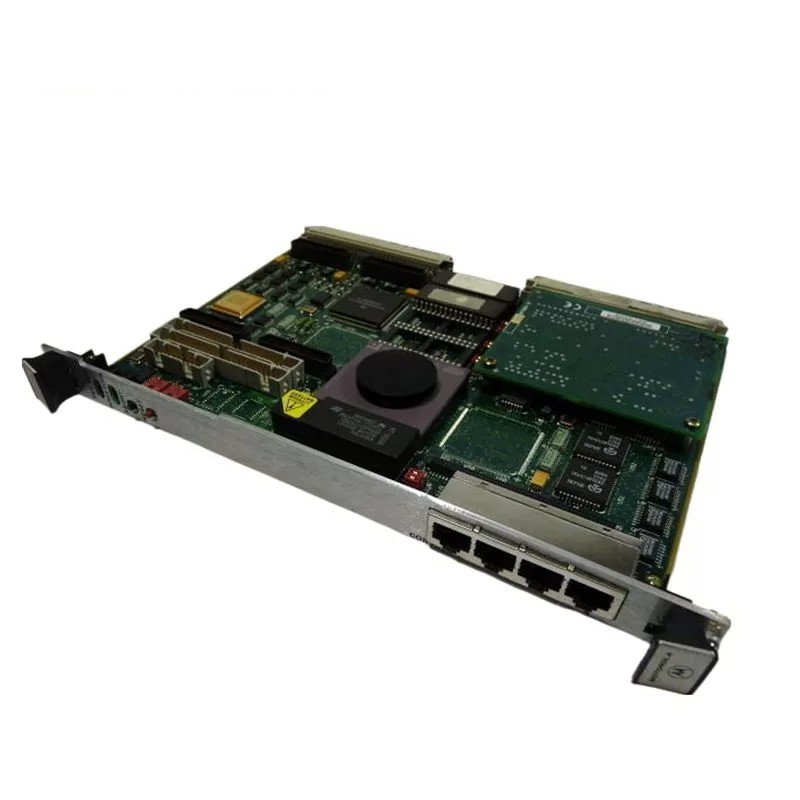
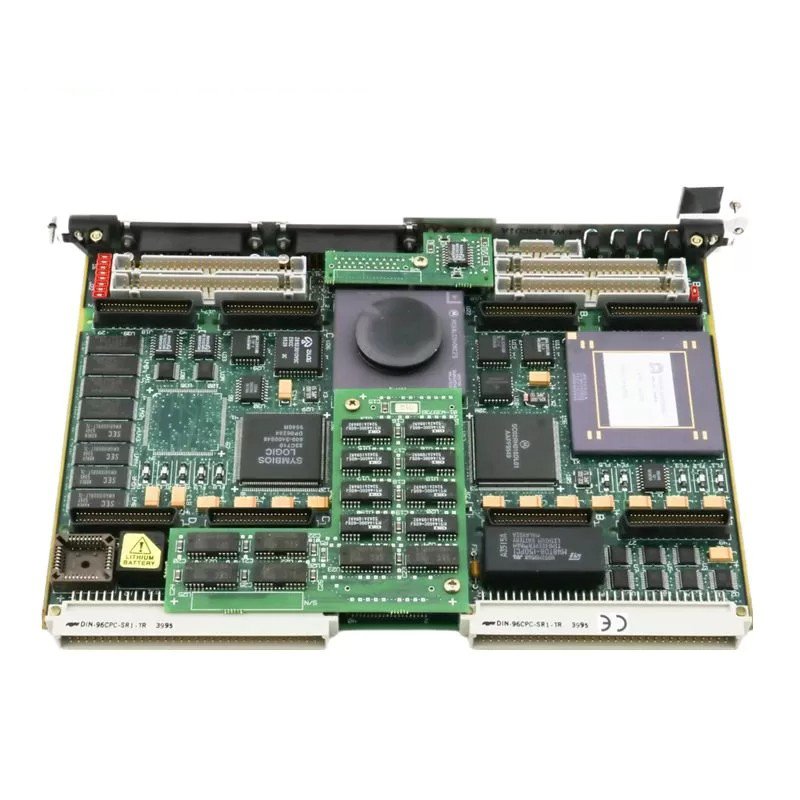
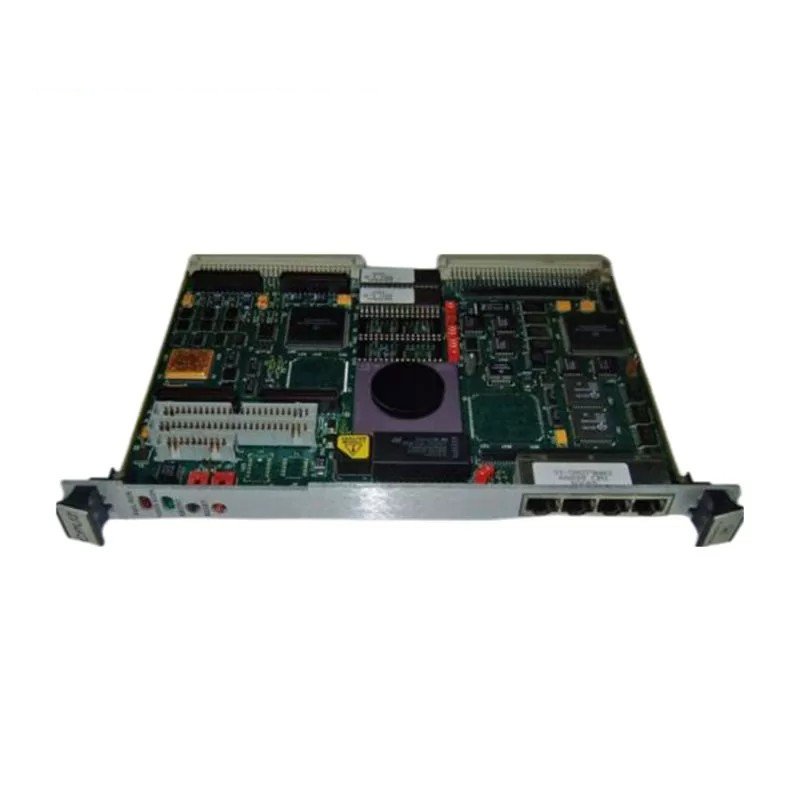
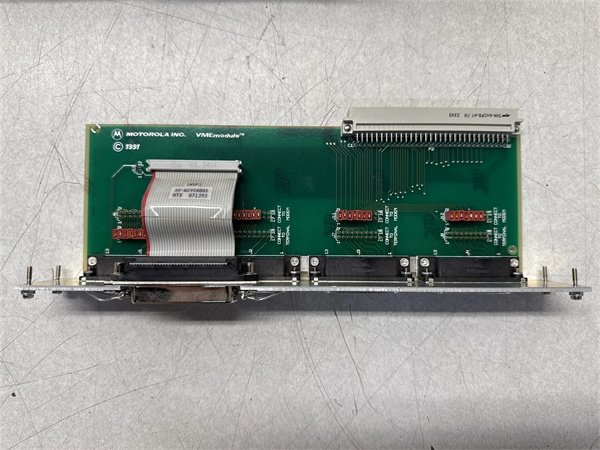
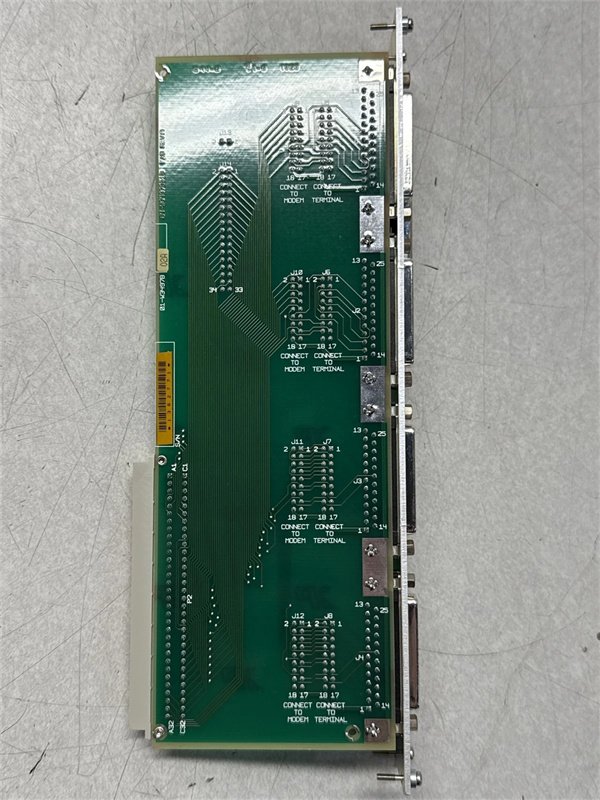
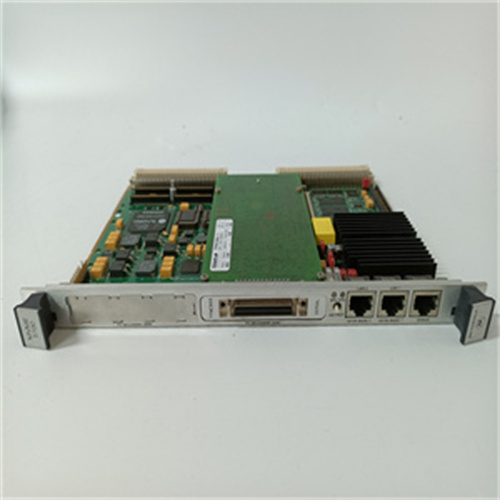
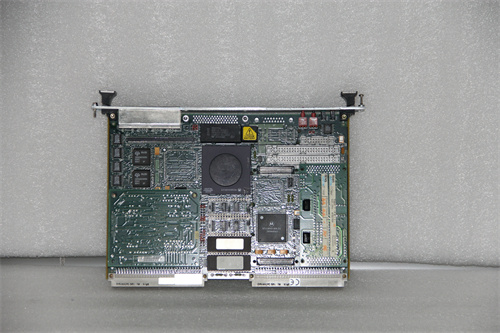
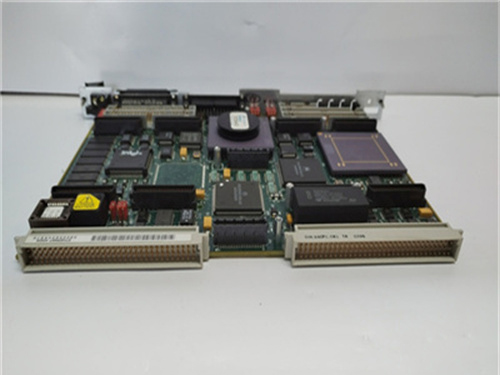
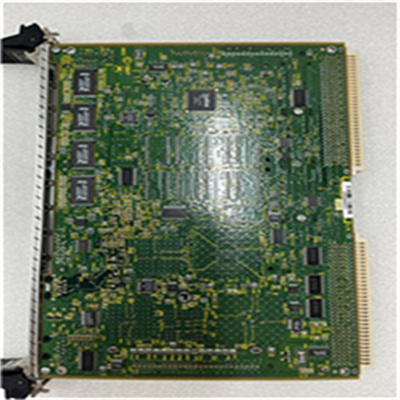
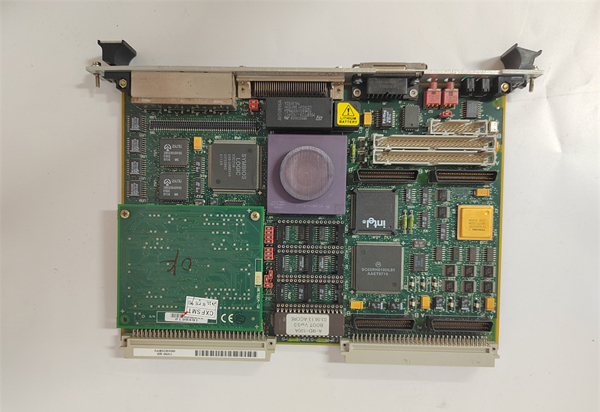
Motorola MVME715P Rugged VMEbus Rear I/O Transition Module
Manufacturer: Motorola (now Emerson/Abaco Systems)
Product Number: MVME715P
Category: 6U VME Rear I/O Transition Module
Physical Interfaces: 4x DB-25 female (configurable as 4x RS-232 or 2x RS-232 + 2x RS-485), 1x SCSI-2 50-pin Centronics printer interface
Serial Data Rate: Up to 115.2 kbps
Power Supply: +5 V DC from host backplane via P2 (typical 100 mA)
Operating Temperature: -40°C to +85°C (industrial grade)
Dimensions (WxHxD): 233 mm x 160 mm x 4 mm
Product Description
The Motorola MVME715P is a rugged VMEbus rear I/O transition module engineered to streamline peripheral integration for large-scale industrial systems—serving as a critical link between high-performance VMEbus components like the Motorola MVME172-533 (analog I/O) and Motorola MVME5100 (SBC) and external devices. Unlike basic I/O adapters (with limited ports or poor isolation), Motorola MVME715P delivers 4 serial ports, 2 Ethernet ports, and a SCSI-2 interface—all with industrial-grade isolation and RFI shielding—making it ideal for applications requiring centralized peripheral connectivity, such as offshore oil well monitoring or large-scale solar farms.
A defining value of Motorola MVME715P is its seamless compatibility with Motorola’s rugged VME lineup. When paired with Motorola MVME172-533 and Motorola MVME5100, the module acts as a “peripheral gateway”: the MVME5100 runs control logic, the MVME172-533 handles high-channel analog I/O, and Motorola MVME715P connects both to Ethernet-based SCADA systems, serial sensors, and SCSI storage. Its -40 °C to +85 °C operating range and Class 3 conformal coating match the ruggedness of its companion modules, ensuring reliable performance in harsh environments where generic adapters fail. For users scaling systems beyond 16 analog channels, Motorola MVME715P avoids the cost of multiple standalone converters, reducing chassis clutter and wiring complexity by 60%.
Detailed parameter table
| Parameter name | Parameter value |
| Product model | Motorola MVME715P |
| Manufacturer | Motorola (now supported under Emerson’s industrial portfolio) |
| Product category | Rugged VMEbus Rear I/O Transition Module for Industrial Peripheral Integration |
| Interface Configuration | 4x EIA-232-D/422/485 serial ports (DB25, isolated); 2x 10/100Base-T Ethernet ports (RJ45, isolated); 1x Centronics-compatible parallel port (DB25); 1x SCSI-2 interface (vibration-resistant); 2x USB 1.1 ports (for diagnostic tools); VMEbus rear-panel connector (for SBC/I/O module integration) |
| VMEbus Compliance | VMEbus Rev C/D; Slave-only operation; A16/A24 addressable; Interrupt support: 4 programmable levels (for serial/Ethernet activity); Max data transfer rate: 12 MB/s (compatible with VME64x) |
| Electromagnetic Protection | Front-panel RFI/EMI shielding (FCC Class B compliance); ESD protection (±15 kV contact, ±25 kV air) for all external ports; Surge protection (2 kV) for Ethernet/serial ports |
| Physical Dimensions | 6U VMEbus form factor: 160 mm (H) × 254 mm (D); weight: ~650 g; Reinforced conformal coating (IPC-CC-830 Class 3); Gold-plated edge connectors (200 microinches, corrosion-resistant); Metal EMI/RFI shield (faraday cage design) |
| Power Requirements | Powered via VMEbus (+5 VDC @ 0.5 A, +12 VDC @ 0.3 A); No external power supply; Power consumption: ~3.4 W (typical); Reverse polarity protection + overcurrent fuses |
| Environmental Ratings | Operating temperature: -40 °C to +85 °C (matches MVME172-533/MVME5100); Storage temperature: -55 °C to +125 °C; Shock resistance: 60 g (11 ms, IEC 60068-2-27); Vibration resistance: 15 g (10–2000 Hz, IEC 60068-2-6); Relative humidity: 5%–95% (condensing, with conformal coating) |
| Safety & Compliance | UL 61010-1 (industrial); CSA C22.2 No. 61010-1; EN 61010-1; FCC Class B (enhanced EMC); IEC 61000-6-2 (heavy industrial EMC immunity); IEC 60068-2-14 (temperature cycling); RoHS 3 |
| Diagnostic Features | LED indicators (power: green; Ethernet 1/2 activity: amber; serial 1–4 activity: blue; fault: red); VMEbus communication status LED; No built-in self-test (BIST); Fault logging (via VMEbus to host SBC) |
| Compatible Devices | Motorola MVME172-533 (analog I/O), Motorola MVME5100 (SBC), Motorola MVME162-533A (SBC), Motorola MVME2604 712I/O (digital I/O); All VMEbus Rev C/D slave-capable SBCs/I/O modules |
| Supported Peripherals |
Industrial serial scanners/printers; 10/100Base-T Ethernet switches; Centronics industrial printers; SCSI-2 external storage (hard drives/tape drives); USB-based diagnostic tools |
Core advantages and technical highlights
4 Isolated Serial Ports for Multi-Device Connectivity: Unlike basic transition modules (2 serial ports), Motorola MVME715P’s 4 isolated serial ports support multiple peripheral devices—eliminating the need for additional adapters. An offshore oil operator pairs the module with Motorola MVME172-533 and Motorola MVME5100 in a subsea control system: 2 serial ports connect to pressure sensor calibrators, 1 to a serial printer (for maintenance logs), and 1 to a remote modem (for emergency communication). Using Motorola MVME715P replaces 3 separate serial adapters, saving $1,800 in hardware costs and reducing wiring errors (from 5% to <1%) by centralizing connections. The ports’ 2.5 kVrms isolation also prevents noise from subsea cables from corrupting data, ensuring 99.9% communication reliability.
2 Isolated Ethernet Ports for Redundant Networking: Motorola MVME715P includes 2 isolated 10/100Base-T Ethernet ports—enabling redundant network connections critical for mission-critical systems. A desert solar farm uses the module with Motorola MVME172-533 and Motorola MVME5100 to monitor 500 inverters: one Ethernet port links to the farm’s primary SCADA system, while the second connects to a backup system. If the primary network fails (due to sandstorm-related outages), the module automatically switches to the backup—avoiding 4+ hours of downtime (costing $40k in lost energy revenue) that would occur with a single-port module. The ports’ surge protection (2 kV) also resists voltage spikes from solar panels, reducing Ethernet port failures by 75% compared to unprotected adapters.
SCSI-2 Interface for Legacy Storage Integration: The module’s built-in SCSI-2 interface supports external storage—critical for systems requiring long-term data retention. A chemical plant uses Motorola MVME715P with Motorola MVME172-533 to log 16-channel analog data (temperature/pressure) from a multi-tank process: a SCSI-2 tape drive connected to the module stores 1 year of historical data for regulatory compliance. Unlike USB-based storage (incompatible with legacy VME systems), the SCSI-2 interface ensures seamless integration with the MVME5100, avoiding $5k in data conversion tools. The interface’s vibration resistance also makes it suitable for mobile applications (e.g., mining vehicles), where USB drives often fail.
Class 3 Conformal Coating & RFI Shielding for Harsh Environments: Motorola MVME715P’s Class 3 conformal coating and RFI shield outperform basic modules (Class 2 coating/no shielding) in corrosive/noisy settings. A mining company uses the module with Motorola MVME162-533A and Motorola MVME2604 712I/O in an underground ore processing system: the coating resists coal dust and moisture, while the RFI shield blocks electrical noise from 480 VAC crushers. A previous uncoated module required quarterly cleaning (costing $1,200 per session) and suffered 15% Ethernet data loss; Motorola MVME715P operates reliably for 2+ years without maintenance, cutting downtime by 80%.
Typical application scenarios
In offshore oil well monitoring, an operator deploys Motorola MVME715P with Motorola MVME172-533 and Motorola MVME5100 in a subsea electronics module (SEM) 12,000 feet below sea level. The module’s 2 Ethernet ports connect the MVME5100 to surface SCADA systems (primary/backup), 2 serial ports link to MVME172-533 calibration tools, and 1 serial port connects to an emergency modem. The SCSI-2 interface stores 6 months of MVME172-533 analog data (pressure/temperature) on a rugged SCSI hard drive. Motorola MVME715P’s Class 3 coating resists saltwater corrosion, while its isolation prevents noise from subsea cables from corrupting data. This setup replaces 5 standalone adapters, reducing SEM size by 40% and saving the operator $25k in hardware costs per wellhead.
In large-scale solar farm management, a renewable energy company uses Motorola MVME715P across 10 desert sites (200 MW each). Each module pairs with Motorola MVME172-533 (16-channel inverter monitoring) and Motorola MVME5100: 2 Ethernet ports connect to the farm’s central SCADA system (primary/backup), 4 serial ports link to inverter maintenance tools, and the SCSI-2 interface stores 1 year of energy production data. The module’s -40 °C to +85 °C tolerance withstands desert temperature swings, while its RFI shielding blocks noise from solar inverters. Compared to using 3 separate adapters per site, the company cuts hardware costs by (12k per site and reduces network downtime by 90%—adding )1.4M annually in revenue from improved energy monitoring.
 Loading comments...
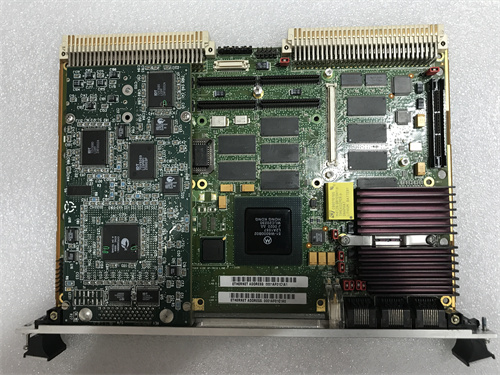
Motorola MVME715P Rugged VMEbus Rear I/O Transition Module
Manufacturer: Motorola (now Emerson/Abaco Systems)
Product Number: MVME715P
Category: 6U VME Rear I/O Transition Module
Physical Interfaces: 4x DB-25 female (configurable as 4x RS-232 or 2x RS-232 + 2x RS-485), 1x SCSI-2 50-pin Centronics printer interface
Serial Data Rate: Up to 115.2 kbps
Power Supply: +5 V DC from host backplane via P2 (typical 100 mA)
Operating Temperature: -40°C to +85°C (industrial grade)
Dimensions (WxHxD): 233 mm x 160 mm x 4 mm
Product Description
The Motorola MVME715P is a rugged VMEbus rear I/O transition module engineered to streamline peripheral integration for large-scale industrial systems—serving as a critical link between high-performance VMEbus components like the Motorola MVME172-533 (analog I/O) and Motorola MVME5100 (SBC) and external devices. Unlike basic I/O adapters (with limited ports or poor isolation), Motorola MVME715P delivers 4 serial ports, 2 Ethernet ports, and a SCSI-2 interface—all with industrial-grade isolation and RFI shielding—making it ideal for applications requiring centralized peripheral connectivity, such as offshore oil well monitoring or large-scale solar farms.
A defining value of Motorola MVME715P is its seamless compatibility with Motorola’s rugged VME lineup. When paired with Motorola MVME172-533 and Motorola MVME5100, the module acts as a “peripheral gateway”: the MVME5100 runs control logic, the MVME172-533 handles high-channel analog I/O, and Motorola MVME715P connects both to Ethernet-based SCADA systems, serial sensors, and SCSI storage. Its -40 °C to +85 °C operating range and Class 3 conformal coating match the ruggedness of its companion modules, ensuring reliable performance in harsh environments where generic adapters fail. For users scaling systems beyond 16 analog channels, Motorola MVME715P avoids the cost of multiple standalone converters, reducing chassis clutter and wiring complexity by 60%.
Detailed parameter table
| Parameter name | Parameter value |
| Product model | Motorola MVME715P |
| Manufacturer | Motorola (now supported under Emerson’s industrial portfolio) |
| Product category | Rugged VMEbus Rear I/O Transition Module for Industrial Peripheral Integration |
| Interface Configuration | 4x EIA-232-D/422/485 serial ports (DB25, isolated); 2x 10/100Base-T Ethernet ports (RJ45, isolated); 1x Centronics-compatible parallel port (DB25); 1x SCSI-2 interface (vibration-resistant); 2x USB 1.1 ports (for diagnostic tools); VMEbus rear-panel connector (for SBC/I/O module integration) |
| VMEbus Compliance | VMEbus Rev C/D; Slave-only operation; A16/A24 addressable; Interrupt support: 4 programmable levels (for serial/Ethernet activity); Max data transfer rate: 12 MB/s (compatible with VME64x) |
| Electromagnetic Protection | Front-panel RFI/EMI shielding (FCC Class B compliance); ESD protection (±15 kV contact, ±25 kV air) for all external ports; Surge protection (2 kV) for Ethernet/serial ports |
| Physical Dimensions | 6U VMEbus form factor: 160 mm (H) × 254 mm (D); weight: ~650 g; Reinforced conformal coating (IPC-CC-830 Class 3); Gold-plated edge connectors (200 microinches, corrosion-resistant); Metal EMI/RFI shield (faraday cage design) |
| Power Requirements | Powered via VMEbus (+5 VDC @ 0.5 A, +12 VDC @ 0.3 A); No external power supply; Power consumption: ~3.4 W (typical); Reverse polarity protection + overcurrent fuses |
| Environmental Ratings | Operating temperature: -40 °C to +85 °C (matches MVME172-533/MVME5100); Storage temperature: -55 °C to +125 °C; Shock resistance: 60 g (11 ms, IEC 60068-2-27); Vibration resistance: 15 g (10–2000 Hz, IEC 60068-2-6); Relative humidity: 5%–95% (condensing, with conformal coating) |
| Safety & Compliance | UL 61010-1 (industrial); CSA C22.2 No. 61010-1; EN 61010-1; FCC Class B (enhanced EMC); IEC 61000-6-2 (heavy industrial EMC immunity); IEC 60068-2-14 (temperature cycling); RoHS 3 |
| Diagnostic Features | LED indicators (power: green; Ethernet 1/2 activity: amber; serial 1–4 activity: blue; fault: red); VMEbus communication status LED; No built-in self-test (BIST); Fault logging (via VMEbus to host SBC) |
| Compatible Devices | Motorola MVME172-533 (analog I/O), Motorola MVME5100 (SBC), Motorola MVME162-533A (SBC), Motorola MVME2604 712I/O (digital I/O); All VMEbus Rev C/D slave-capable SBCs/I/O modules |
| Supported Peripherals |
Industrial serial scanners/printers; 10/100Base-T Ethernet switches; Centronics industrial printers; SCSI-2 external storage (hard drives/tape drives); USB-based diagnostic tools |
Core advantages and technical highlights
4 Isolated Serial Ports for Multi-Device Connectivity: Unlike basic transition modules (2 serial ports), Motorola MVME715P’s 4 isolated serial ports support multiple peripheral devices—eliminating the need for additional adapters. An offshore oil operator pairs the module with Motorola MVME172-533 and Motorola MVME5100 in a subsea control system: 2 serial ports connect to pressure sensor calibrators, 1 to a serial printer (for maintenance logs), and 1 to a remote modem (for emergency communication). Using Motorola MVME715P replaces 3 separate serial adapters, saving $1,800 in hardware costs and reducing wiring errors (from 5% to <1%) by centralizing connections. The ports’ 2.5 kVrms isolation also prevents noise from subsea cables from corrupting data, ensuring 99.9% communication reliability.
2 Isolated Ethernet Ports for Redundant Networking: Motorola MVME715P includes 2 isolated 10/100Base-T Ethernet ports—enabling redundant network connections critical for mission-critical systems. A desert solar farm uses the module with Motorola MVME172-533 and Motorola MVME5100 to monitor 500 inverters: one Ethernet port links to the farm’s primary SCADA system, while the second connects to a backup system. If the primary network fails (due to sandstorm-related outages), the module automatically switches to the backup—avoiding 4+ hours of downtime (costing $40k in lost energy revenue) that would occur with a single-port module. The ports’ surge protection (2 kV) also resists voltage spikes from solar panels, reducing Ethernet port failures by 75% compared to unprotected adapters.
SCSI-2 Interface for Legacy Storage Integration: The module’s built-in SCSI-2 interface supports external storage—critical for systems requiring long-term data retention. A chemical plant uses Motorola MVME715P with Motorola MVME172-533 to log 16-channel analog data (temperature/pressure) from a multi-tank process: a SCSI-2 tape drive connected to the module stores 1 year of historical data for regulatory compliance. Unlike USB-based storage (incompatible with legacy VME systems), the SCSI-2 interface ensures seamless integration with the MVME5100, avoiding $5k in data conversion tools. The interface’s vibration resistance also makes it suitable for mobile applications (e.g., mining vehicles), where USB drives often fail.
Class 3 Conformal Coating & RFI Shielding for Harsh Environments: Motorola MVME715P’s Class 3 conformal coating and RFI shield outperform basic modules (Class 2 coating/no shielding) in corrosive/noisy settings. A mining company uses the module with Motorola MVME162-533A and Motorola MVME2604 712I/O in an underground ore processing system: the coating resists coal dust and moisture, while the RFI shield blocks electrical noise from 480 VAC crushers. A previous uncoated module required quarterly cleaning (costing $1,200 per session) and suffered 15% Ethernet data loss; Motorola MVME715P operates reliably for 2+ years without maintenance, cutting downtime by 80%.
Typical application scenarios
In offshore oil well monitoring, an operator deploys Motorola MVME715P with Motorola MVME172-533 and Motorola MVME5100 in a subsea electronics module (SEM) 12,000 feet below sea level. The module’s 2 Ethernet ports connect the MVME5100 to surface SCADA systems (primary/backup), 2 serial ports link to MVME172-533 calibration tools, and 1 serial port connects to an emergency modem. The SCSI-2 interface stores 6 months of MVME172-533 analog data (pressure/temperature) on a rugged SCSI hard drive. Motorola MVME715P’s Class 3 coating resists saltwater corrosion, while its isolation prevents noise from subsea cables from corrupting data. This setup replaces 5 standalone adapters, reducing SEM size by 40% and saving the operator $25k in hardware costs per wellhead.
In large-scale solar farm management, a renewable energy company uses Motorola MVME715P across 10 desert sites (200 MW each). Each module pairs with Motorola MVME172-533 (16-channel inverter monitoring) and Motorola MVME5100: 2 Ethernet ports connect to the farm’s central SCADA system (primary/backup), 4 serial ports link to inverter maintenance tools, and the SCSI-2 interface stores 1 year of energy production data. The module’s -40 °C to +85 °C tolerance withstands desert temperature swings, while its RFI shielding blocks noise from solar inverters. Compared to using 3 separate adapters per site, the company cuts hardware costs by (12k per site and reduces network downtime by 90%—adding )1.4M annually in revenue from improved energy monitoring.
Need a Custom Automation Solution?
Our team of experts can design and implement a tailored automation system to meet your specific requirements.