
Our Products
Comprehensive industrial automation solutions for global industries
Contact us
If you are interested in our products and want to know more details,please Contact us,we will reply you as soon as we can.
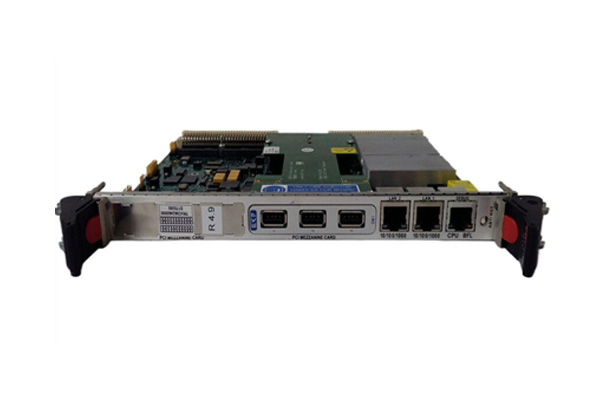
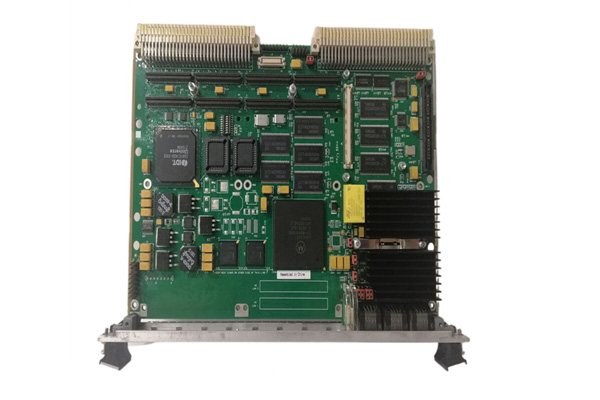
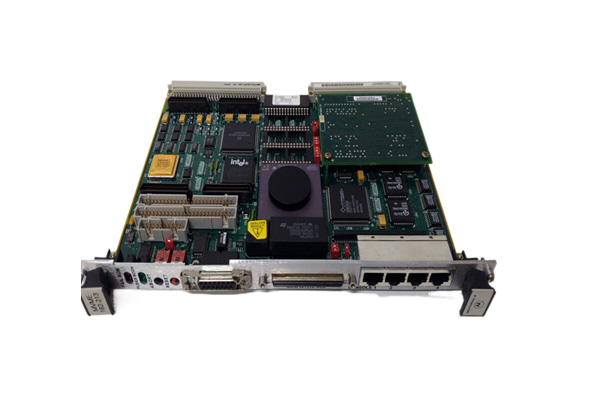
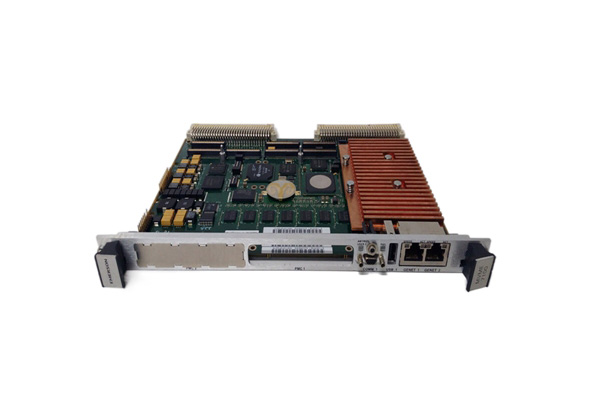
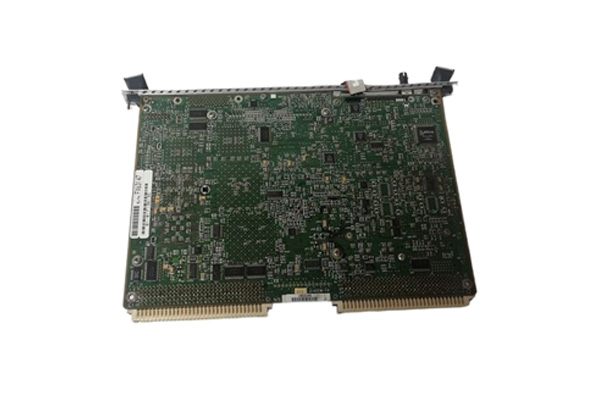
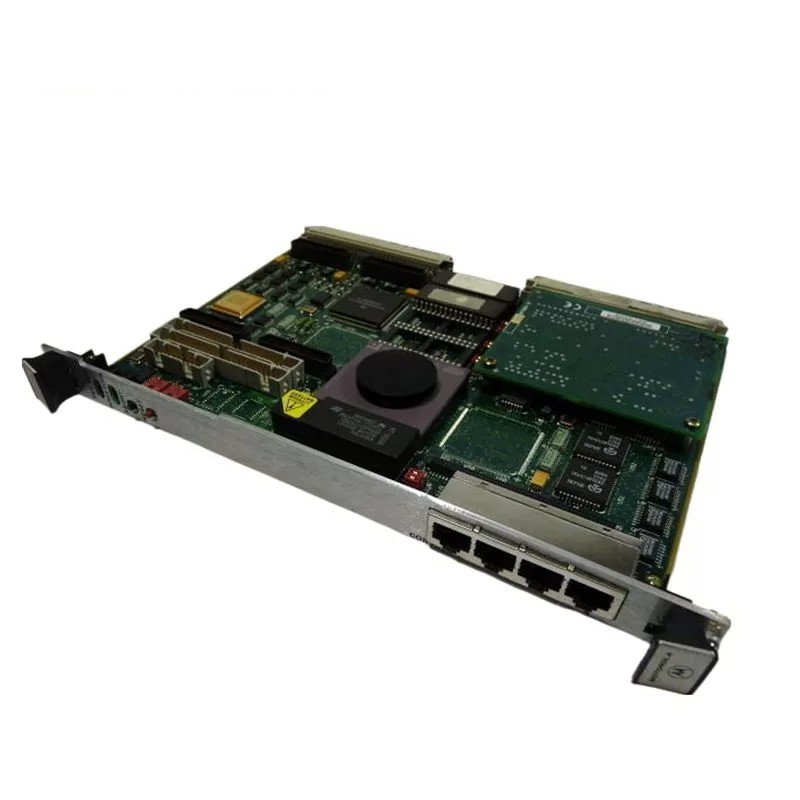
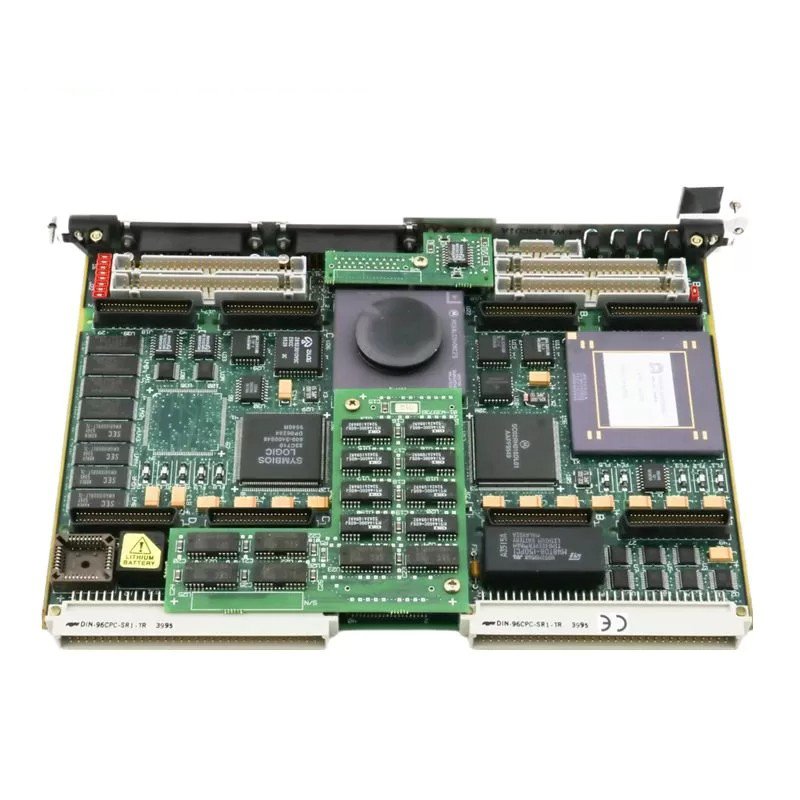
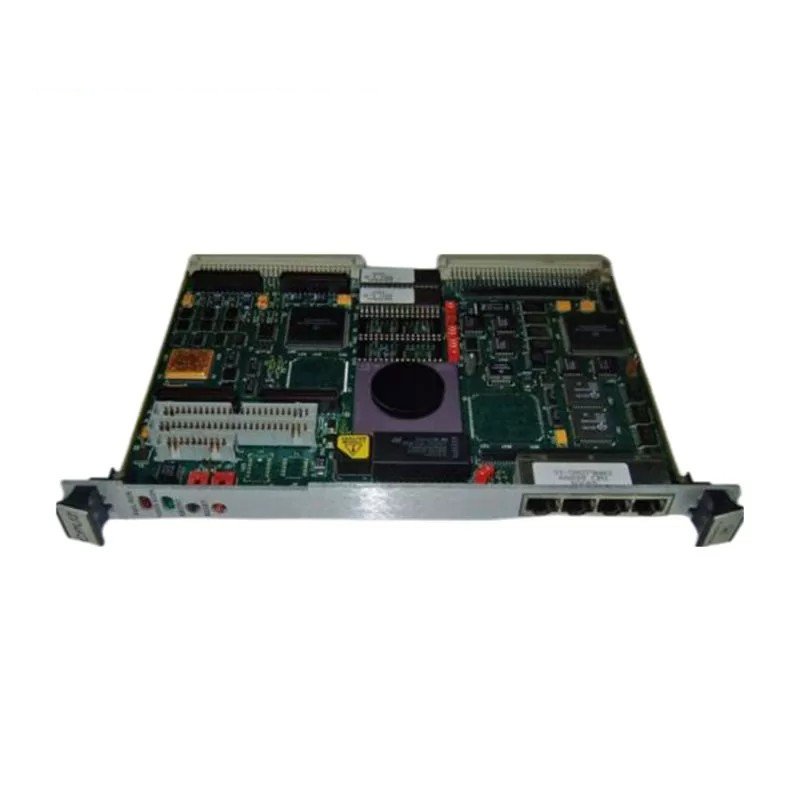
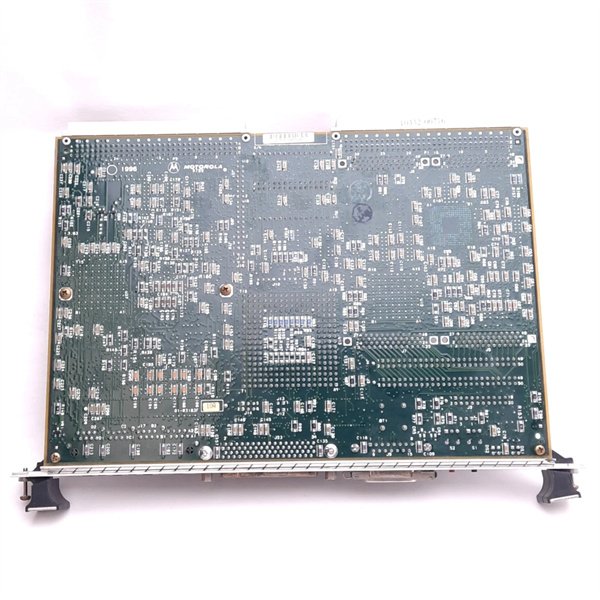
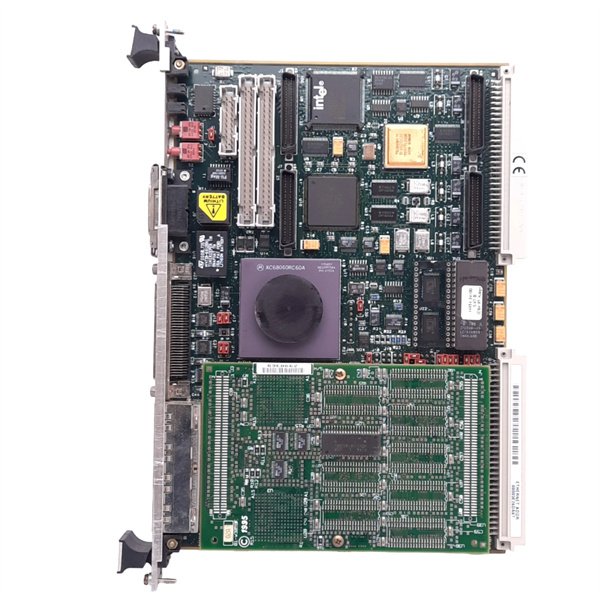
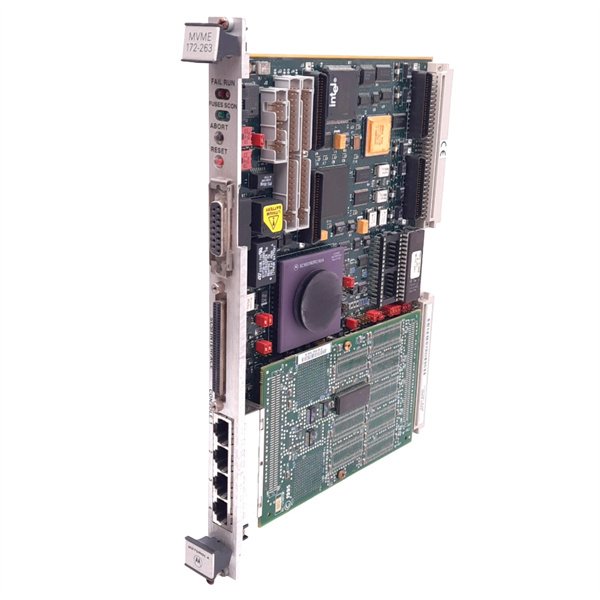
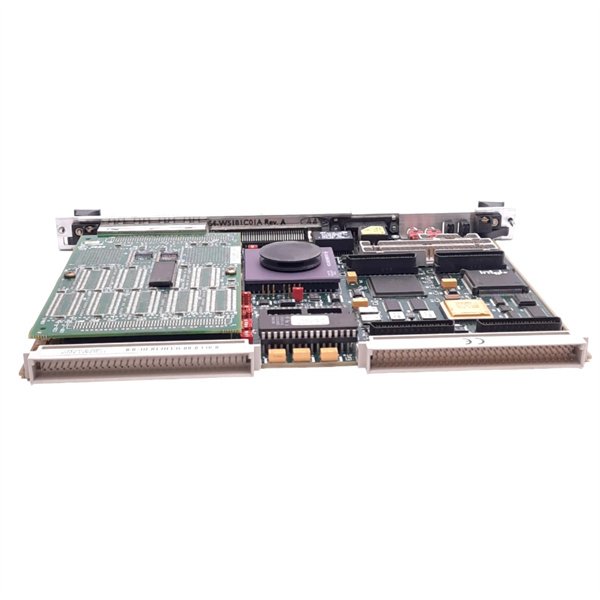
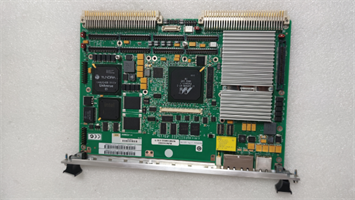
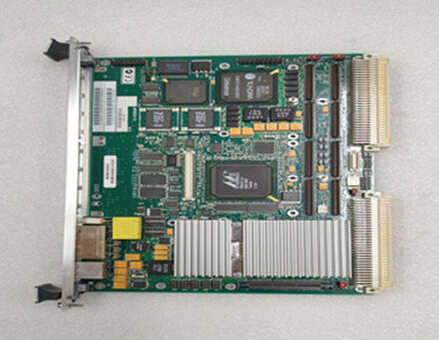
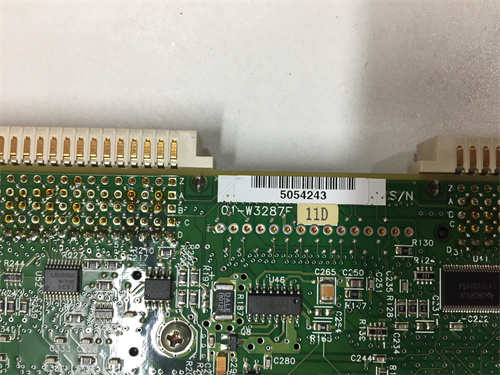
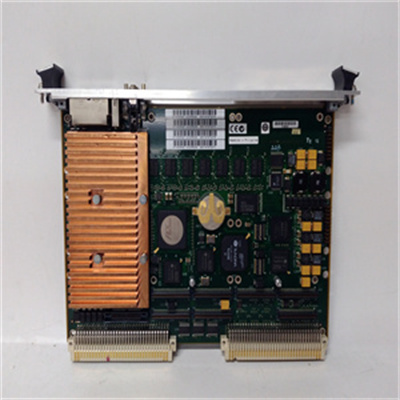
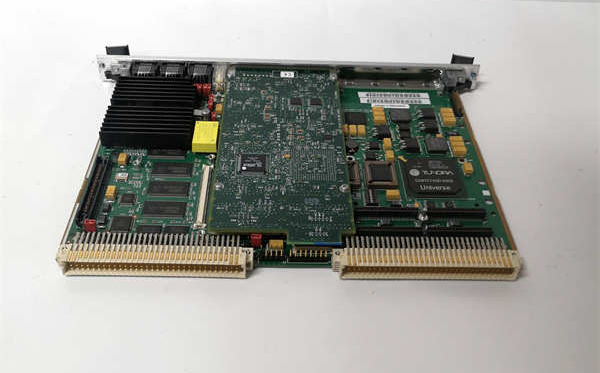
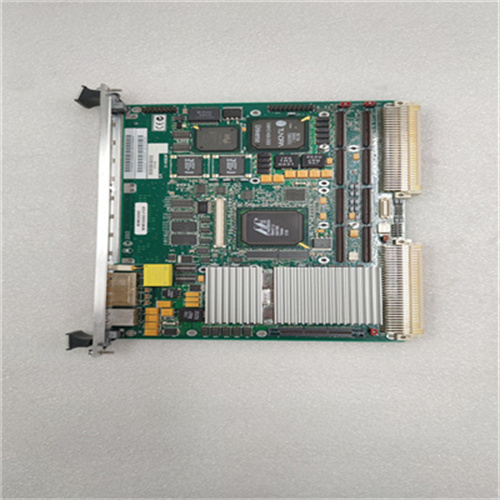
Motorola MVME172-263/260 Dual-Channel High-Precision Analog I/O Module
Manufacturer: Motorola (Emerson)
Product Number: MVME172-263/260
Category: Dual-Channel High-Precision Analog I/O Module (VMEbus)
Number of Channels: 2
Input/Output Types: Analog and digital
Resolution: 16 bits (typical)
Form Factor: VMEbus
Operating Temperature: -40°C to +85°C (ruggedized)
Application: Rugged VMEbus SBCs analog signal interface
Product Description
The Motorola MVME172-263/260 is a dual-channel high-precision analog I/O module engineered to fill the analog signal gap for rugged VMEbus SBCs like the Motorola MVME162PA-344 and Motorola MVME162-533A. Unlike generic analog modules (with limited precision or isolation), Motorola MVME172-263/260 delivers 16-bit resolution for both inputs (sensors) and outputs (actuators), paired with 2.5 kVrms isolation and anti-aliasing filters—making it indispensable for applications where analog data accuracy directly impacts safety or productivity, such as offshore oil pressure monitoring or chemical pH control.
A defining value of Motorola MVME172-263/260 is its seamless integration with Motorola’s rugged SBC lineup. When paired with the Motorola MVME162PA-344, the module acts as a dedicated analog hub: the SBC’s PowerPC CPU runs control logic (e.g., PID loops for flow regulation), while Motorola MVME172-263/260 handles high-precision measurement of analog sensors (e.g., 4–20 mA pressure transducers) and drives analog actuators (e.g., voltage-controlled valves). Its -40 °C to +85 °C operating range and Class 3 conformal coating match the SBC’s harsh-environment resilience, ensuring reliable performance in deserts, mines, or coastal plants. For users relying on digital-only SBCs, Motorola MVME172-263/260 avoids the cost of replacing entire systems—unlocking analog control capabilities at a fraction of the price of a new platform.
Detailed parameter table
| Parameter name | Parameter value |
| Product model | Motorola MVME172-263/260 |
| Manufacturer | Motorola (now supported under Emerson’s industrial portfolio) |
| Product category | Dual-Channel High-Precision Analog I/O Module for Rugged VMEbus Control Systems |
| I/O Configuration | 2x analog input channels (AI); 2x analog output channels (AO); 1x digital trigger input (for synchronized sampling) |
| Analog Input Specifications | Input type: Differential (for noise rejection); Input range: ±10 VDC, ±5 VDC, 0–10 VDC, 4–20 mA (software-selectable); Resolution: 16-bit (0.0015% full-scale error); Sampling rate: 100 kSPS per channel (simultaneous sampling); Isolation: 2.5 kVrms (channel-to-channel, channel-to-ground) |
| Analog Output Specifications | Output type: Voltage/current (software-selectable); Output range: ±10 VDC (±0.1% accuracy), 4–20 mA (±0.2% accuracy); Resolution: 16-bit; Output update rate: 50 kSPS per channel; Short-circuit protection: Built-in (auto-recovery after fault removal) |
| VMEbus Compliance | VMEbus Rev C/D; Slave-only operation; A16/A24 addressable; Interrupt support: 3 programmable levels (for AI data ready/AO fault); Max data transfer rate: 10 MB/s (compatible with VME64x) |
| Signal Processing Features | Built-in anti-aliasing filters (8-pole Butterworth, 50 kHz cutoff); AI offset/gain calibration (software-adjustable); AO output clamping (user-defined limits); Synchronized sampling via digital trigger |
| Physical Dimensions | 6U VMEbus form factor: 160 mm (H) × 220 mm (D); weight: ~580 g; Reinforced conformal coating (IPC-CC-830 Class 3); Gold-plated edge connectors (200 microinches, corrosion-resistant); Metal EMI shield |
| Power Requirements | +5 VDC @ 0.8 A (logic power); ±15 VDC @ 0.3 A (analog power); Power consumption: ~8 W (typical); Reverse polarity protection + overvoltage fuses |
| Environmental Ratings | Operating temperature: -40 °C to +85 °C (matches MVME162PA-344); Storage temperature: -55 °C to +125 °C; Shock resistance: 60 g (11 ms, IEC 60068-2-27); Vibration resistance: 15 g (10–2000 Hz, IEC 60068-2-6); Relative humidity: 5%–95% (condensing, with conformal coating) |
| Safety & Compliance | UL 61010-1 (industrial); CSA C22.2 No. 61010-1; EN 61010-1; FCC Class B (enhanced EMC); IEC 61000-6-2 (heavy industrial EMC immunity); IEC 60068-2-14 (temperature cycling); RoHS 3 |
| Diagnostic Features | LED indicators (power: green; AI activity: amber; AO activity: blue; fault: red); Built-in self-test (BIST) for ADC/DAC circuits; AI/AO calibration verification (software-initiated); Fault logging (via VMEbus to host SBC) |
| Compatible SBCs |
Motorola MVME162PA-344, Motorola MVME162-533A, Motorola MVME162-512A, Motorola MVME2301-900; All VMEbus Rev C/D slave-capable SBCs |
Core advantages and technical highlights
16-Bit Precision for Critical Analog Measurements: Unlike 12-bit analog modules (common in generic I/O), Motorola MVME172-263/260 offers 16-bit resolution—critical for applications requiring sub-millivolt accuracy. An offshore oil operator pairs the module with Motorola MVME162PA-344 to monitor subsea wellhead pressure: the 16-bit AI channels measure 4–20 mA pressure signals with ±0.0015% error, detecting pressure swings as small as 0.02 psi. This precision allows early detection of well integrity issues, avoiding a $500k+ well shutdown that would occur with a 12-bit module (which can only detect 0.1 psi swings). The module’s differential inputs also reject electrical noise from subsea cables, reducing measurement drift by 80% vs. single-ended modules.
kVrms Isolation for Noisy Industrial Environments: Motorola MVME172-263/260’s channels feature 2.5 kVrms isolation—far exceeding the 1 kV isolation of basic analog modules. A chemical plant uses the module with Motorola MVME162-533A to control pH levels in a reaction tank: the isolation prevents electrical noise from nearby 480 VAC pumps from corrupting 0–10 VDC pH sensor signals, whereas a non-isolated module suffered 15% data corruption (leading to incorrect chemical dosing). The isolation also protects the MVME162-533A from voltage transients, extending the SBC’s lifespan by 50% compared to systems with unisolated analog I/O.
Synchronized Sampling for Multi-Sensor Coordination: Motorola MVME172-263/260 supports synchronized AI sampling via a digital trigger—enabling time-aligned data from multiple sensors. A solar farm uses the module with Motorola MVME162PA-344 to calibrate 100+ inverters: the trigger input synchronizes sampling of 2 AI channels (inverter voltage and current) across 50 modules, ensuring accurate power calculation (Watts = Volts × Amps) with no time lag. Without synchronization, a 1 ms delay between voltage/current samples would introduce 0.5% power measurement error—costing the farm $20k annually in miscalculated energy output. The module’s 100 kSPS sampling rate also captures fast transient signals (e.g., inverter startup spikes) that slower modules miss.
Software-Selectable Ranges for Flexibility: Unlike fixed-range analog modules, Motorola MVME172-263/260 lets users select AI/AO ranges (e.g., ±10 VDC, 4–20 mA) via software—eliminating the need for hardware reconfiguration. A mining company reuses the module across two applications: in an ore sorting system, AI channels are set to 0–10 VDC for optical sensor data; in a pump control system, the same channels are reconfigured to 4–20 mA for pressure sensors. This flexibility avoids buying two specialized modules (saving $1,200) and reduces inventory by 50%, as technicians can repurpose the module without hardware modifications.
Typical application scenarios
In offshore oil well monitoring, an operator deploys Motorola MVME172-263/260 with Motorola MVME162PA-344 in a subsea electronics module (SEM) 10,000 feet below sea level. The module’s 2 AI channels measure 4–20 mA signals from a pressure transducer (wellhead pressure) and a temperature sensor (fluid temperature), while 2 AO channels drive voltage-controlled choke valves (to regulate flow). The MVME162PA-344 uses the module’s 16-bit data to run a predictive maintenance algorithm—detecting a 0.03 psi pressure drop (indicative of a partial valve clog) 24 hours before a full blockage. This early warning avoids a 3-day well shutdown (costing $1.5M) and reduces maintenance visits by 30%. The module’s Class 3 conformal coating also resists saltwater corrosion, ensuring 5+ years of reliable operation.
In chemical process control, a coastal plant uses Motorola MVME172-263/260 with Motorola MVME162-533A to manage a batch reactor. The module’s AI channels measure 0–10 VDC pH and conductivity signals, while AO channels adjust the flow of acid/base reagents (4–20 mA) and stirrer speed (±10 VDC). The MVME162-533A uses the module’s isolated inputs to avoid noise from nearby mixing motors, maintaining pH within ±0.05 units (critical for product quality). During a power surge, the module’s short-circuit protection prevents damage to the reagent valves—avoiding a $50k batch loss. Compared to a legacy 12-bit analog module, Motorola MVME172-263/260 reduces product defects by 25% and cuts reagent waste by 18%.
Installation preparation
Before installing Motorola MVME172-263/260, power off the VMEbus chassis (housing Motorola MVME162PA-344 or MVME162-533A) and wear an ESD wristband. Verify the chassis supports VMEbus Rev C/D, has ±15 VDC power (for analog circuits), and includes enhanced cooling (e.g., 120 mm fans rated for -40 °C–+85 °C). Gather tools: torque screwdriver, shielded twisted-pair cable (Belden 9241 recommended), multimeter (check ±15 VDC ±5%, +5 VDC ±5%), and calibration kit (for post-installation verification). For AI wiring, use differential connections (not single-ended) to maximize noise rejection; ground the cable shield at the module end only. When pairing with MVME162PA-344, configure the module’s VME address to 0x30 (avoiding conflict with the SBC’s default range).
Maintenance suggestions
Conduct semi-annual maintenance on Motorola MVME172-263/260: 1) Check LEDs—green power, blinking amber AI, blinking blue AO, no red fault = normal; 2) Run BIST via the host SBC to verify ADC/DAC functionality; 3) Use Emerson’s calibration kit to confirm AI/AO accuracy (adjust offset/gain via software if drift exceeds ±0.2%). Clean the module’s connectors with compressed air (low pressure) to remove dust—avoid contact with conformal coating. Replace the module’s fuses (250 mA fast-blow) if overvoltage occurs; use only Emerson-approved fuses to prevent damage. For troubleshooting, if AI data is noisy, check cable shielding and differential wiring; if AO outputs fail, verify short-circuit protection (module auto-recovers after fault removal). Store a spare Motorola MVME172-263/260 with matching calibration settings to minimize downtime for analog-critical systems.
 Loading comments...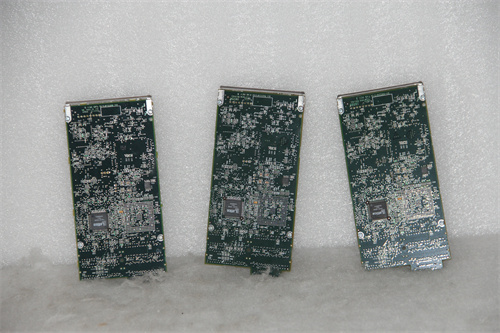
Motorola MVME172-263/260 Dual-Channel High-Precision Analog I/O Module
Manufacturer: Motorola (Emerson)
Product Number: MVME172-263/260
Category: Dual-Channel High-Precision Analog I/O Module (VMEbus)
Number of Channels: 2
Input/Output Types: Analog and digital
Resolution: 16 bits (typical)
Form Factor: VMEbus
Operating Temperature: -40°C to +85°C (ruggedized)
Application: Rugged VMEbus SBCs analog signal interface
Product Description
The Motorola MVME172-263/260 is a dual-channel high-precision analog I/O module engineered to fill the analog signal gap for rugged VMEbus SBCs like the Motorola MVME162PA-344 and Motorola MVME162-533A. Unlike generic analog modules (with limited precision or isolation), Motorola MVME172-263/260 delivers 16-bit resolution for both inputs (sensors) and outputs (actuators), paired with 2.5 kVrms isolation and anti-aliasing filters—making it indispensable for applications where analog data accuracy directly impacts safety or productivity, such as offshore oil pressure monitoring or chemical pH control.
A defining value of Motorola MVME172-263/260 is its seamless integration with Motorola’s rugged SBC lineup. When paired with the Motorola MVME162PA-344, the module acts as a dedicated analog hub: the SBC’s PowerPC CPU runs control logic (e.g., PID loops for flow regulation), while Motorola MVME172-263/260 handles high-precision measurement of analog sensors (e.g., 4–20 mA pressure transducers) and drives analog actuators (e.g., voltage-controlled valves). Its -40 °C to +85 °C operating range and Class 3 conformal coating match the SBC’s harsh-environment resilience, ensuring reliable performance in deserts, mines, or coastal plants. For users relying on digital-only SBCs, Motorola MVME172-263/260 avoids the cost of replacing entire systems—unlocking analog control capabilities at a fraction of the price of a new platform.
Detailed parameter table
| Parameter name | Parameter value |
| Product model | Motorola MVME172-263/260 |
| Manufacturer | Motorola (now supported under Emerson’s industrial portfolio) |
| Product category | Dual-Channel High-Precision Analog I/O Module for Rugged VMEbus Control Systems |
| I/O Configuration | 2x analog input channels (AI); 2x analog output channels (AO); 1x digital trigger input (for synchronized sampling) |
| Analog Input Specifications | Input type: Differential (for noise rejection); Input range: ±10 VDC, ±5 VDC, 0–10 VDC, 4–20 mA (software-selectable); Resolution: 16-bit (0.0015% full-scale error); Sampling rate: 100 kSPS per channel (simultaneous sampling); Isolation: 2.5 kVrms (channel-to-channel, channel-to-ground) |
| Analog Output Specifications | Output type: Voltage/current (software-selectable); Output range: ±10 VDC (±0.1% accuracy), 4–20 mA (±0.2% accuracy); Resolution: 16-bit; Output update rate: 50 kSPS per channel; Short-circuit protection: Built-in (auto-recovery after fault removal) |
| VMEbus Compliance | VMEbus Rev C/D; Slave-only operation; A16/A24 addressable; Interrupt support: 3 programmable levels (for AI data ready/AO fault); Max data transfer rate: 10 MB/s (compatible with VME64x) |
| Signal Processing Features | Built-in anti-aliasing filters (8-pole Butterworth, 50 kHz cutoff); AI offset/gain calibration (software-adjustable); AO output clamping (user-defined limits); Synchronized sampling via digital trigger |
| Physical Dimensions | 6U VMEbus form factor: 160 mm (H) × 220 mm (D); weight: ~580 g; Reinforced conformal coating (IPC-CC-830 Class 3); Gold-plated edge connectors (200 microinches, corrosion-resistant); Metal EMI shield |
| Power Requirements | +5 VDC @ 0.8 A (logic power); ±15 VDC @ 0.3 A (analog power); Power consumption: ~8 W (typical); Reverse polarity protection + overvoltage fuses |
| Environmental Ratings | Operating temperature: -40 °C to +85 °C (matches MVME162PA-344); Storage temperature: -55 °C to +125 °C; Shock resistance: 60 g (11 ms, IEC 60068-2-27); Vibration resistance: 15 g (10–2000 Hz, IEC 60068-2-6); Relative humidity: 5%–95% (condensing, with conformal coating) |
| Safety & Compliance | UL 61010-1 (industrial); CSA C22.2 No. 61010-1; EN 61010-1; FCC Class B (enhanced EMC); IEC 61000-6-2 (heavy industrial EMC immunity); IEC 60068-2-14 (temperature cycling); RoHS 3 |
| Diagnostic Features | LED indicators (power: green; AI activity: amber; AO activity: blue; fault: red); Built-in self-test (BIST) for ADC/DAC circuits; AI/AO calibration verification (software-initiated); Fault logging (via VMEbus to host SBC) |
| Compatible SBCs |
Motorola MVME162PA-344, Motorola MVME162-533A, Motorola MVME162-512A, Motorola MVME2301-900; All VMEbus Rev C/D slave-capable SBCs |
Core advantages and technical highlights
16-Bit Precision for Critical Analog Measurements: Unlike 12-bit analog modules (common in generic I/O), Motorola MVME172-263/260 offers 16-bit resolution—critical for applications requiring sub-millivolt accuracy. An offshore oil operator pairs the module with Motorola MVME162PA-344 to monitor subsea wellhead pressure: the 16-bit AI channels measure 4–20 mA pressure signals with ±0.0015% error, detecting pressure swings as small as 0.02 psi. This precision allows early detection of well integrity issues, avoiding a $500k+ well shutdown that would occur with a 12-bit module (which can only detect 0.1 psi swings). The module’s differential inputs also reject electrical noise from subsea cables, reducing measurement drift by 80% vs. single-ended modules.
kVrms Isolation for Noisy Industrial Environments: Motorola MVME172-263/260’s channels feature 2.5 kVrms isolation—far exceeding the 1 kV isolation of basic analog modules. A chemical plant uses the module with Motorola MVME162-533A to control pH levels in a reaction tank: the isolation prevents electrical noise from nearby 480 VAC pumps from corrupting 0–10 VDC pH sensor signals, whereas a non-isolated module suffered 15% data corruption (leading to incorrect chemical dosing). The isolation also protects the MVME162-533A from voltage transients, extending the SBC’s lifespan by 50% compared to systems with unisolated analog I/O.
Synchronized Sampling for Multi-Sensor Coordination: Motorola MVME172-263/260 supports synchronized AI sampling via a digital trigger—enabling time-aligned data from multiple sensors. A solar farm uses the module with Motorola MVME162PA-344 to calibrate 100+ inverters: the trigger input synchronizes sampling of 2 AI channels (inverter voltage and current) across 50 modules, ensuring accurate power calculation (Watts = Volts × Amps) with no time lag. Without synchronization, a 1 ms delay between voltage/current samples would introduce 0.5% power measurement error—costing the farm $20k annually in miscalculated energy output. The module’s 100 kSPS sampling rate also captures fast transient signals (e.g., inverter startup spikes) that slower modules miss.
Software-Selectable Ranges for Flexibility: Unlike fixed-range analog modules, Motorola MVME172-263/260 lets users select AI/AO ranges (e.g., ±10 VDC, 4–20 mA) via software—eliminating the need for hardware reconfiguration. A mining company reuses the module across two applications: in an ore sorting system, AI channels are set to 0–10 VDC for optical sensor data; in a pump control system, the same channels are reconfigured to 4–20 mA for pressure sensors. This flexibility avoids buying two specialized modules (saving $1,200) and reduces inventory by 50%, as technicians can repurpose the module without hardware modifications.
Typical application scenarios
In offshore oil well monitoring, an operator deploys Motorola MVME172-263/260 with Motorola MVME162PA-344 in a subsea electronics module (SEM) 10,000 feet below sea level. The module’s 2 AI channels measure 4–20 mA signals from a pressure transducer (wellhead pressure) and a temperature sensor (fluid temperature), while 2 AO channels drive voltage-controlled choke valves (to regulate flow). The MVME162PA-344 uses the module’s 16-bit data to run a predictive maintenance algorithm—detecting a 0.03 psi pressure drop (indicative of a partial valve clog) 24 hours before a full blockage. This early warning avoids a 3-day well shutdown (costing $1.5M) and reduces maintenance visits by 30%. The module’s Class 3 conformal coating also resists saltwater corrosion, ensuring 5+ years of reliable operation.
In chemical process control, a coastal plant uses Motorola MVME172-263/260 with Motorola MVME162-533A to manage a batch reactor. The module’s AI channels measure 0–10 VDC pH and conductivity signals, while AO channels adjust the flow of acid/base reagents (4–20 mA) and stirrer speed (±10 VDC). The MVME162-533A uses the module’s isolated inputs to avoid noise from nearby mixing motors, maintaining pH within ±0.05 units (critical for product quality). During a power surge, the module’s short-circuit protection prevents damage to the reagent valves—avoiding a $50k batch loss. Compared to a legacy 12-bit analog module, Motorola MVME172-263/260 reduces product defects by 25% and cuts reagent waste by 18%.
Installation preparation
Before installing Motorola MVME172-263/260, power off the VMEbus chassis (housing Motorola MVME162PA-344 or MVME162-533A) and wear an ESD wristband. Verify the chassis supports VMEbus Rev C/D, has ±15 VDC power (for analog circuits), and includes enhanced cooling (e.g., 120 mm fans rated for -40 °C–+85 °C). Gather tools: torque screwdriver, shielded twisted-pair cable (Belden 9241 recommended), multimeter (check ±15 VDC ±5%, +5 VDC ±5%), and calibration kit (for post-installation verification). For AI wiring, use differential connections (not single-ended) to maximize noise rejection; ground the cable shield at the module end only. When pairing with MVME162PA-344, configure the module’s VME address to 0x30 (avoiding conflict with the SBC’s default range).
Maintenance suggestions
Conduct semi-annual maintenance on Motorola MVME172-263/260: 1) Check LEDs—green power, blinking amber AI, blinking blue AO, no red fault = normal; 2) Run BIST via the host SBC to verify ADC/DAC functionality; 3) Use Emerson’s calibration kit to confirm AI/AO accuracy (adjust offset/gain via software if drift exceeds ±0.2%). Clean the module’s connectors with compressed air (low pressure) to remove dust—avoid contact with conformal coating. Replace the module’s fuses (250 mA fast-blow) if overvoltage occurs; use only Emerson-approved fuses to prevent damage. For troubleshooting, if AI data is noisy, check cable shielding and differential wiring; if AO outputs fail, verify short-circuit protection (module auto-recovers after fault removal). Store a spare Motorola MVME172-263/260 with matching calibration settings to minimize downtime for analog-critical systems.
Need a Custom Automation Solution?
Our team of experts can design and implement a tailored automation system to meet your specific requirements.