
Our Products
Comprehensive industrial automation solutions for global industries
Contact us
If you are interested in our products and want to know more details,please Contact us,we will reply you as soon as we can.
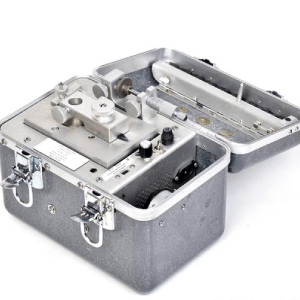
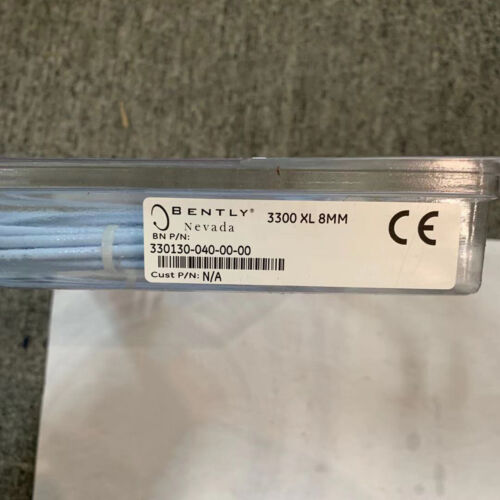
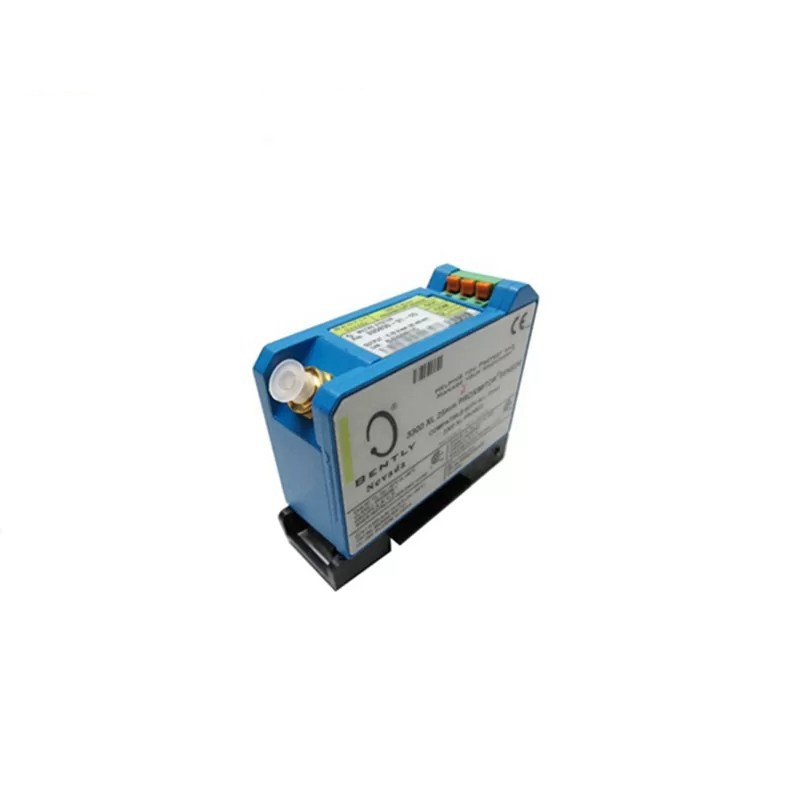
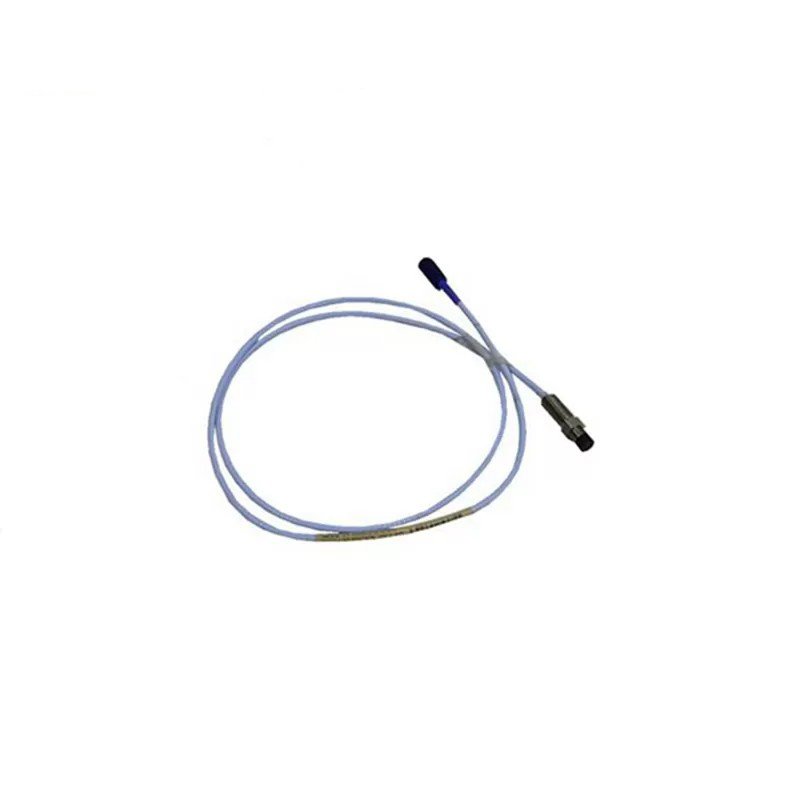
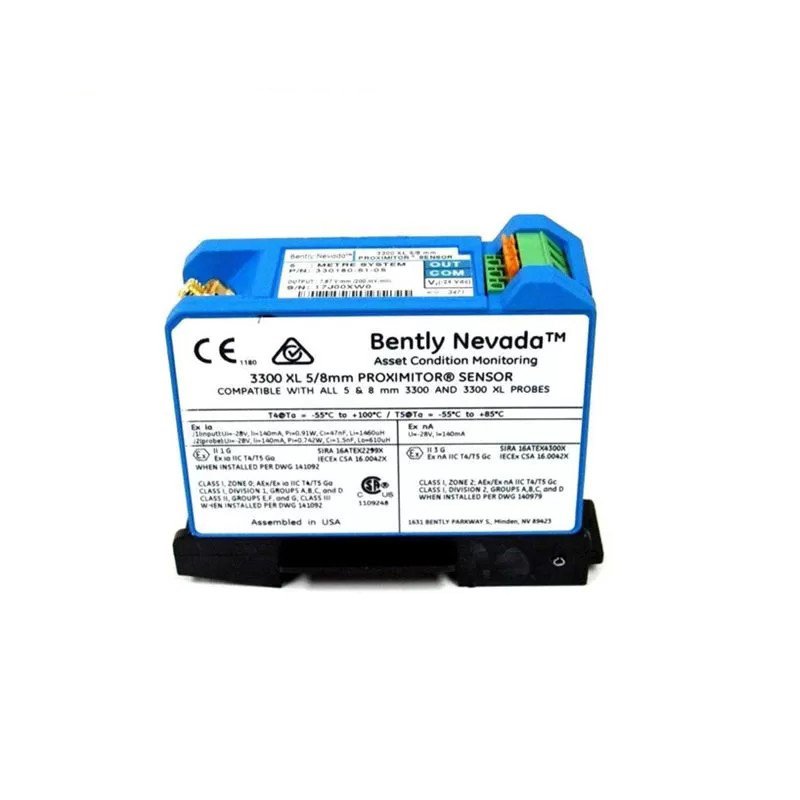
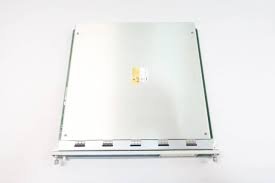
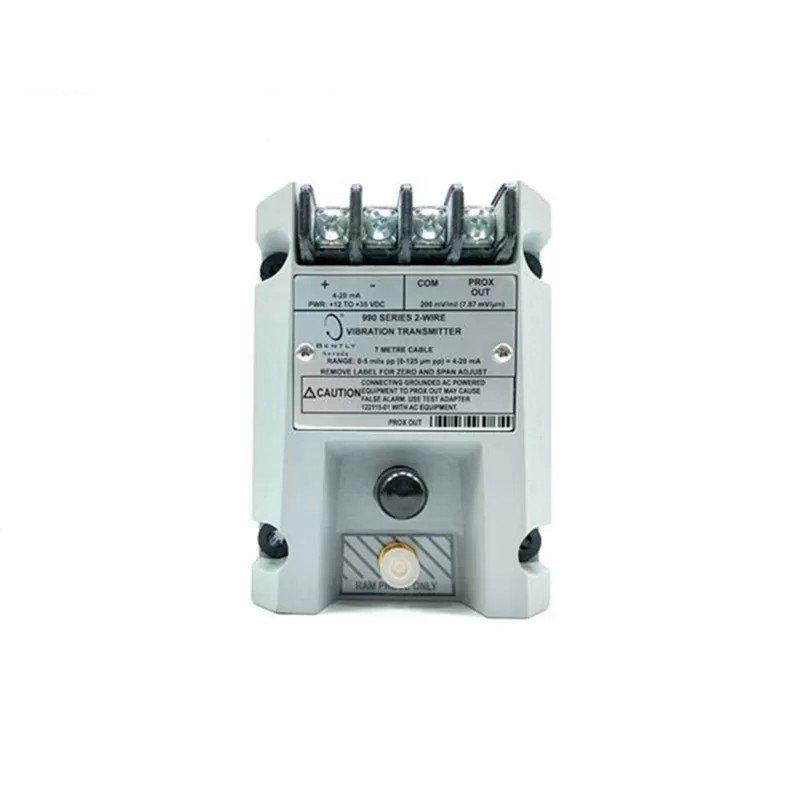
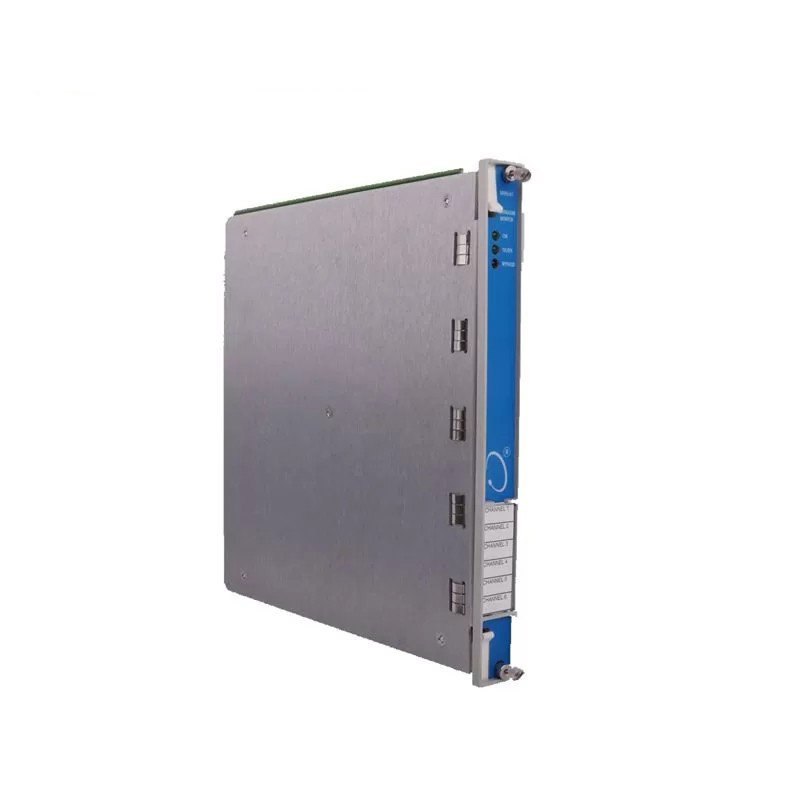
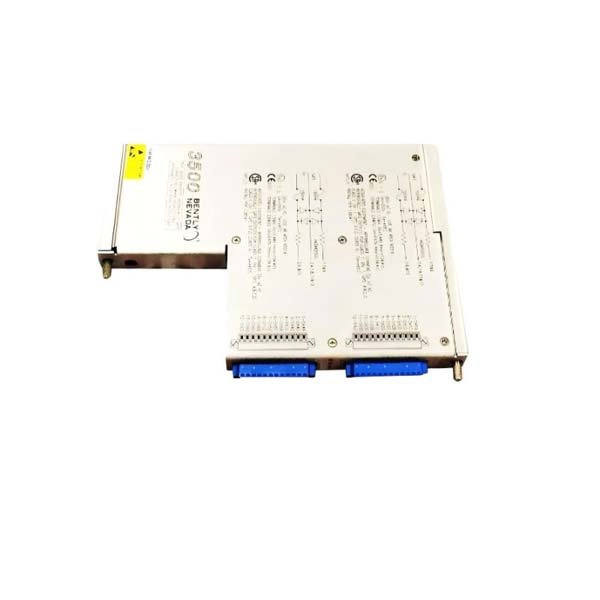
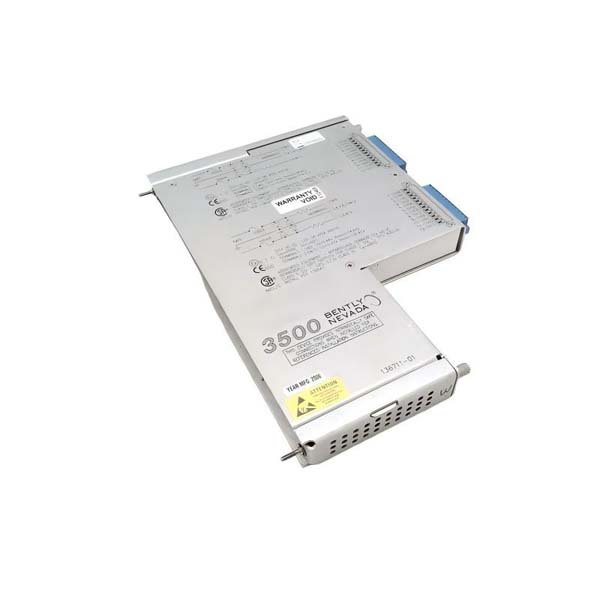
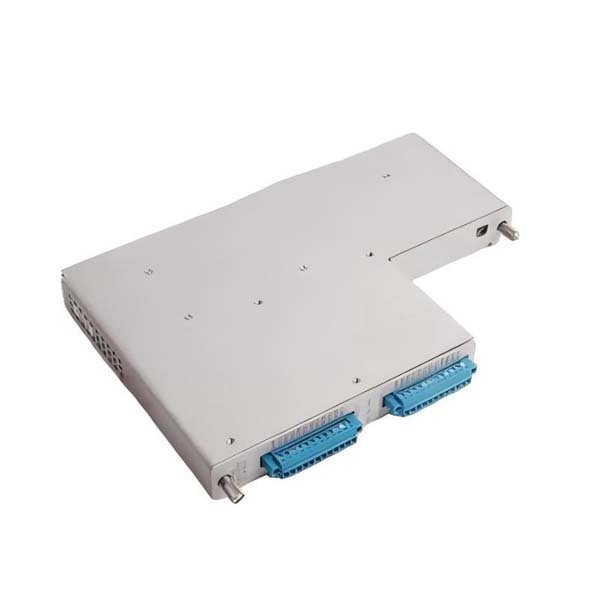
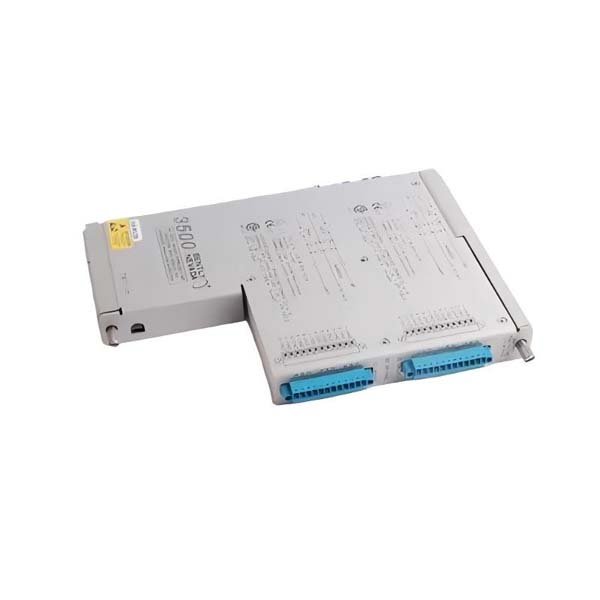
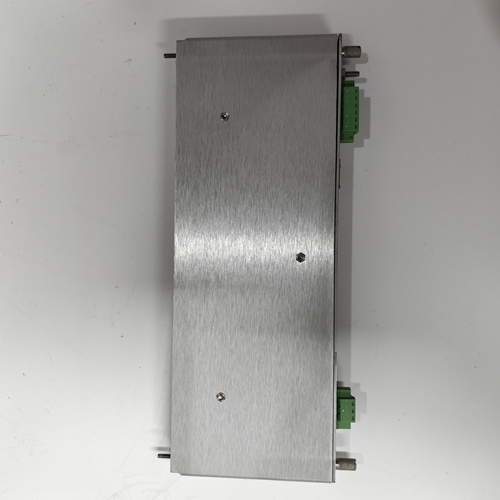
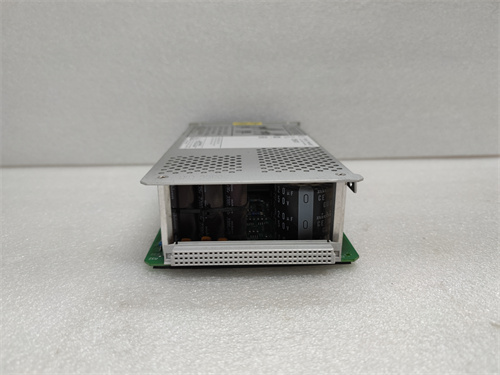
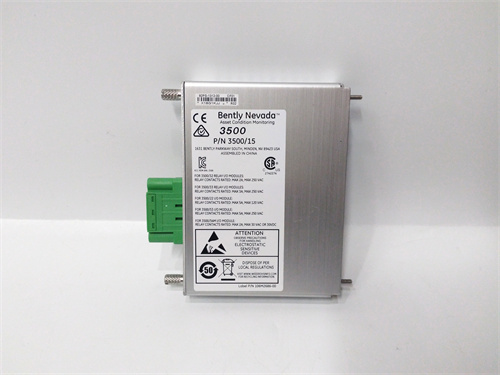
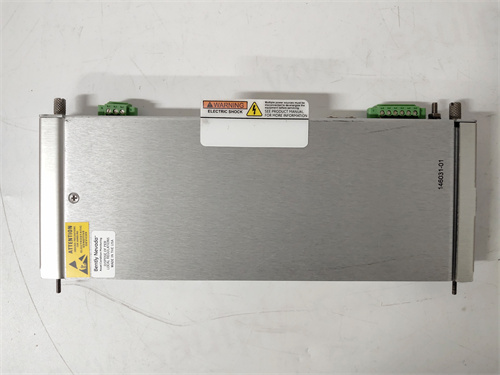
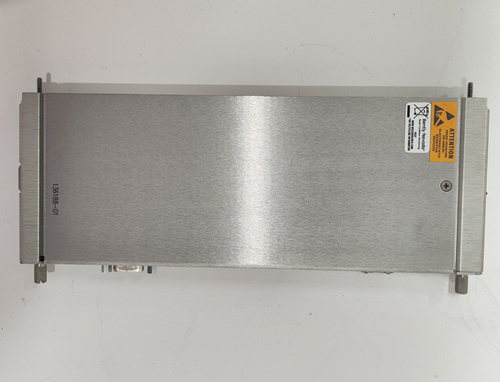
Bently Nevada 26530-121002018038220400 Dual Probe Transducer Module
Manufacturer:Bently Nevada
Product Number:26530-121002018038220400
Product Type:Dual Probe Transducer Module
Origin:USA
Dimensions:120 mm × 60 mm × 80 mm
Weight:2.0 kg
Views:140
Payment Methods:T/T, PayPal, Western Union
Condition:New & In Stock
Warranty:1 Year
Lead Time:1-3 Working Days
Certificate:COO
Courier partners:DHL, UPS, TNT, FedEx and EMS.
Business hours:7*24
Product Description
The Bently Nevada 26530-121002018038220400 Dual Probe Transducer Module is an integrated sensing assembly engineered for combined proximity (radial displacement) and vibration measurement on critical rotating machinery. The unit integrates a precision proximity probe with a seismic/velocity sensing element in a single housing to deliver synchronous displacement and vibration data streams suitable for orbit analysis, trend monitoring, and machinery protection functions.
Designed for professional condition monitoring and protection applications, this module emphasizes signal coherence between modalities, mechanical stability for repeatable referencing to bearing housings, and environmental robustness for long-term deployment in power generation, petrochemical, and heavy-industry environments. The module is intended for system integrators and reliability engineers seeking compact, correlated measurements without the need for multiple separate sensors.
Technical Specifications
| Parameter | Description |
|---|---|
| Model | 26530-121002018038220400 |
| Module Type | Dual Probe Transducer Module (Proximity + Seismic/Velocity) |
| Primary Functions | Shaft radial displacement, relative vibration, casing vibration |
| Compatible Probe Family | 3300 XL series or equivalent proximity probes (model variant dependent) |
| Probe Output | Analog voltage proportional to probe gap (proximity); seismic/velocity analog output for vibration channel |
| Power Requirements | Passive probe feed from proximitor or integrated preamplifier as specified by system configuration |
| Frequency Response | Proximity: DC to several kHz (gap/position); Seismic: up to several kHz depending on seismic element |
| Operating Temperature Range | Standard: -35 °C to +120 °C (high-temperature variants available) |
| Shock / Vibration Tolerance | Designed for industrial vibration; seismic element rated for high dynamic range |
| Mounting | Bearing housing or cover mounting; mechanically referenced for repeatable gap measurement |
| Typical Dimensions (approx.) | 120 mm × 60 mm × 80 mm |
| Typical Weight (approx.) | 2.0 kg |
| Ingress / Environmental | Designed for cabinet and external mounting when used with appropriate mounting adapter and seals |
| Calibration | Factory and field calibration procedures supported; alignment to bearing reference required for accurate displacement measurement |
Applications / Use Scenarios / Field Deployment Examples
-
Turbines (steam & gas): Deployed at radial journal bearings in X–Y pairs to generate rotor orbits and detect centerline excursions; useful for rub detection and transient analysis.
-
Large Compressors and Pumps: Correlate shaft offset with vibration magnitude to identify imbalance, misalignment, or looseness in rotating trains.
-
Generators: Continuous monitoring of rotor displacement and casing vibration to support generator protection schemes and off-line diagnostics.
-
Retrofit Projects: Replace separate proximity and seismic sensors with a single integrated transducer to simplify installation and reduce alignment errors.
-
Harsh Environments: Use high-temperature probe variants for high-heat applications or when mounted near steam lines and hot bearings.
Field deployments favor mechanically referenced mounting points, careful routing of probe leads to minimize movement, and integration into a centralized monitoring rack (e.g., 3500 family or equivalent) for synchronized data logging and protection.
Advantages / Key Features / Engineering Benefits
-
Synchronous Multi-Modal Sensing: Co-located proximity and seismic sensors provide time-aligned displacement and vibration data for improved diagnostic clarity.
-
Reduced Installation Complexity: One housing replaces multiple separate sensors, lowering alignment and wiring overhead.
-
Improved Signal Correlation: Shared mechanical reference ensures that displacement and vibration readings are directly comparable.
-
Robust Mechanical Design: Engineered to withstand industrial shock, thermal cycles, and common field handling.
-
Flexible Configuration: Variant options for probe length, connector types, and high-temperature probes accommodate diverse machinery geometries.
-
Serviceability: Simplified maintenance procedures compared with multiple separate sensors; single point removal/inspection reduces downtime risk.
FAQs
-
What measurements does this module provide?
– Radial shaft displacement (via proximity probe), relative shaft vibration, and casing vibration (via seismic/velocity element).
-
Which probe family is typically used with this module?
– The 3300 XL proximity probe family is commonly used; exact probe choice depends on the model suffix and application.
-
Can this unit be used for orbit analysis?
– Yes. When installed as an X–Y pair it supports full orbit capture and time-synchronous analysis.
-
How should the module be mounted for best accuracy?
– Mechanically reference the housing to the bearing or bearing cover; ensure rigid mounting and consistent probe gap setup.
-
Are high-temperature probes available for this assembly?
– Yes. High-temperature probe variants and cabling options are available for elevated ambient installations.
-
Does the module require special electronics to interface with monitoring racks?
– The proximity probe output typically requires a proximitor/proximitor assembly or compatible input channel; seismic outputs require appropriate vibration inputs on the monitor.
-
What are the common adapter/threading options?
– Adapter thread and mounting options vary by configuration; common choices include standard NPT and metric fittings suitable for bearing covers.
-
Is the module suitable for retrofits on existing machines?
– Yes. Its compact integrated design often simplifies retrofit installations by reducing the number of separate mounting points.
-
What routine maintenance is recommended?
– Periodic visual inspection, verification of probe gap, cable integrity checks, and functional checks with known standards or calibration tools.
-
How are signals protected from electrical noise?
– Proper grounding, shielded cables, and correct proximitor wiring are required; the integrated design helps minimize differential mechanical noise between channels.
 Loading comments...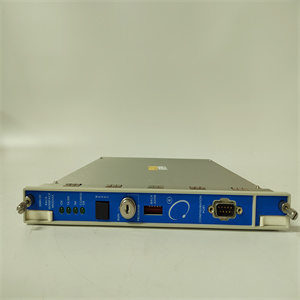
Bently Nevada 26530-121002018038220400 Dual Probe Transducer Module
Manufacturer:Bently Nevada
Product Number:26530-121002018038220400
Product Type:Dual Probe Transducer Module
Origin:USA
Dimensions:120 mm × 60 mm × 80 mm
Weight:2.0 kg
Views:140
Payment Methods:T/T, PayPal, Western Union
Condition:New & In Stock
Warranty:1 Year
Lead Time:1-3 Working Days
Certificate:COO
Courier partners:DHL, UPS, TNT, FedEx and EMS.
Business hours:7*24
Product Description
The Bently Nevada 26530-121002018038220400 Dual Probe Transducer Module is an integrated sensing assembly engineered for combined proximity (radial displacement) and vibration measurement on critical rotating machinery. The unit integrates a precision proximity probe with a seismic/velocity sensing element in a single housing to deliver synchronous displacement and vibration data streams suitable for orbit analysis, trend monitoring, and machinery protection functions.
Designed for professional condition monitoring and protection applications, this module emphasizes signal coherence between modalities, mechanical stability for repeatable referencing to bearing housings, and environmental robustness for long-term deployment in power generation, petrochemical, and heavy-industry environments. The module is intended for system integrators and reliability engineers seeking compact, correlated measurements without the need for multiple separate sensors.
Technical Specifications
| Parameter | Description |
|---|---|
| Model | 26530-121002018038220400 |
| Module Type | Dual Probe Transducer Module (Proximity + Seismic/Velocity) |
| Primary Functions | Shaft radial displacement, relative vibration, casing vibration |
| Compatible Probe Family | 3300 XL series or equivalent proximity probes (model variant dependent) |
| Probe Output | Analog voltage proportional to probe gap (proximity); seismic/velocity analog output for vibration channel |
| Power Requirements | Passive probe feed from proximitor or integrated preamplifier as specified by system configuration |
| Frequency Response | Proximity: DC to several kHz (gap/position); Seismic: up to several kHz depending on seismic element |
| Operating Temperature Range | Standard: -35 °C to +120 °C (high-temperature variants available) |
| Shock / Vibration Tolerance | Designed for industrial vibration; seismic element rated for high dynamic range |
| Mounting | Bearing housing or cover mounting; mechanically referenced for repeatable gap measurement |
| Typical Dimensions (approx.) | 120 mm × 60 mm × 80 mm |
| Typical Weight (approx.) | 2.0 kg |
| Ingress / Environmental | Designed for cabinet and external mounting when used with appropriate mounting adapter and seals |
| Calibration | Factory and field calibration procedures supported; alignment to bearing reference required for accurate displacement measurement |
Applications / Use Scenarios / Field Deployment Examples
-
Turbines (steam & gas): Deployed at radial journal bearings in X–Y pairs to generate rotor orbits and detect centerline excursions; useful for rub detection and transient analysis.
-
Large Compressors and Pumps: Correlate shaft offset with vibration magnitude to identify imbalance, misalignment, or looseness in rotating trains.
-
Generators: Continuous monitoring of rotor displacement and casing vibration to support generator protection schemes and off-line diagnostics.
-
Retrofit Projects: Replace separate proximity and seismic sensors with a single integrated transducer to simplify installation and reduce alignment errors.
-
Harsh Environments: Use high-temperature probe variants for high-heat applications or when mounted near steam lines and hot bearings.
Field deployments favor mechanically referenced mounting points, careful routing of probe leads to minimize movement, and integration into a centralized monitoring rack (e.g., 3500 family or equivalent) for synchronized data logging and protection.
Advantages / Key Features / Engineering Benefits
-
Synchronous Multi-Modal Sensing: Co-located proximity and seismic sensors provide time-aligned displacement and vibration data for improved diagnostic clarity.
-
Reduced Installation Complexity: One housing replaces multiple separate sensors, lowering alignment and wiring overhead.
-
Improved Signal Correlation: Shared mechanical reference ensures that displacement and vibration readings are directly comparable.
-
Robust Mechanical Design: Engineered to withstand industrial shock, thermal cycles, and common field handling.
-
Flexible Configuration: Variant options for probe length, connector types, and high-temperature probes accommodate diverse machinery geometries.
-
Serviceability: Simplified maintenance procedures compared with multiple separate sensors; single point removal/inspection reduces downtime risk.
FAQs
-
What measurements does this module provide?
– Radial shaft displacement (via proximity probe), relative shaft vibration, and casing vibration (via seismic/velocity element).
-
Which probe family is typically used with this module?
– The 3300 XL proximity probe family is commonly used; exact probe choice depends on the model suffix and application.
-
Can this unit be used for orbit analysis?
– Yes. When installed as an X–Y pair it supports full orbit capture and time-synchronous analysis.
-
How should the module be mounted for best accuracy?
– Mechanically reference the housing to the bearing or bearing cover; ensure rigid mounting and consistent probe gap setup.
-
Are high-temperature probes available for this assembly?
– Yes. High-temperature probe variants and cabling options are available for elevated ambient installations.
-
Does the module require special electronics to interface with monitoring racks?
– The proximity probe output typically requires a proximitor/proximitor assembly or compatible input channel; seismic outputs require appropriate vibration inputs on the monitor.
-
What are the common adapter/threading options?
– Adapter thread and mounting options vary by configuration; common choices include standard NPT and metric fittings suitable for bearing covers.
-
Is the module suitable for retrofits on existing machines?
– Yes. Its compact integrated design often simplifies retrofit installations by reducing the number of separate mounting points.
-
What routine maintenance is recommended?
– Periodic visual inspection, verification of probe gap, cable integrity checks, and functional checks with known standards or calibration tools.
-
How are signals protected from electrical noise?
– Proper grounding, shielded cables, and correct proximitor wiring are required; the integrated design helps minimize differential mechanical noise between channels.
Need a Custom Automation Solution?
Our team of experts can design and implement a tailored automation system to meet your specific requirements.