
Our Products
Comprehensive industrial automation solutions for global industries
Contact us
If you are interested in our products and want to know more details,please Contact us,we will reply you as soon as we can.
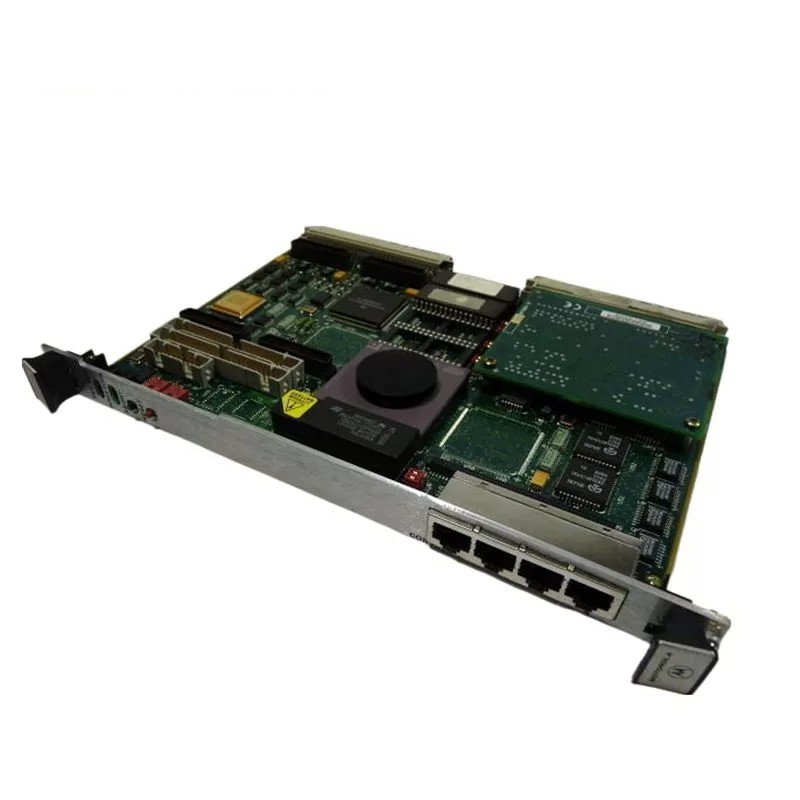
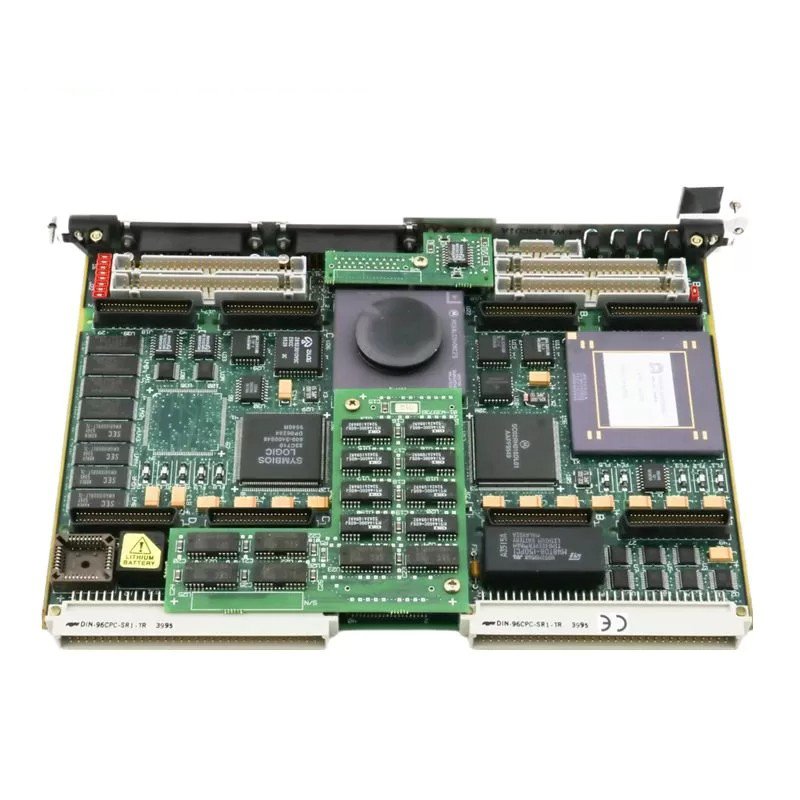
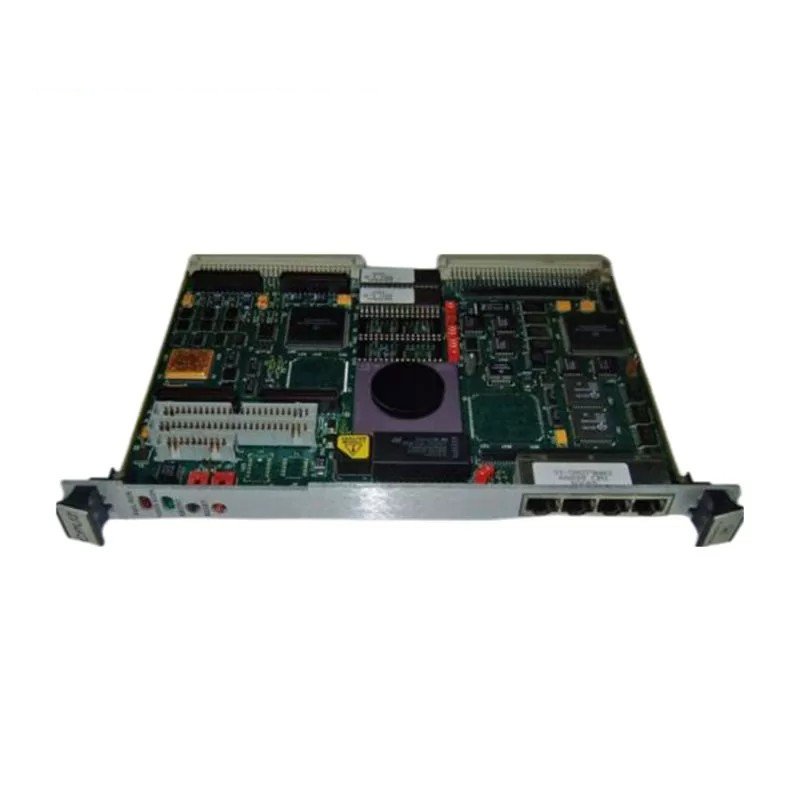
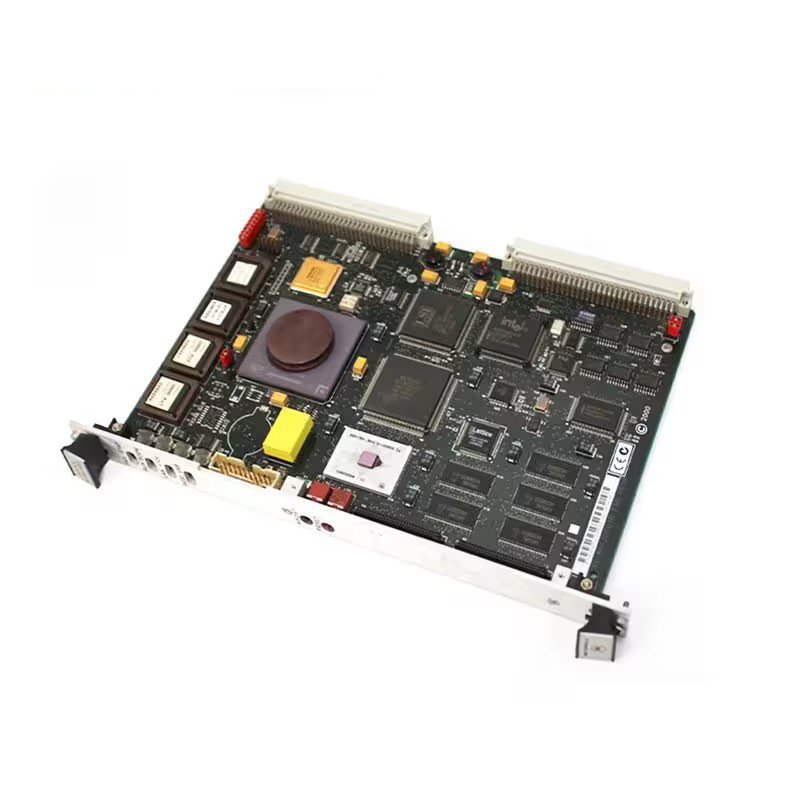
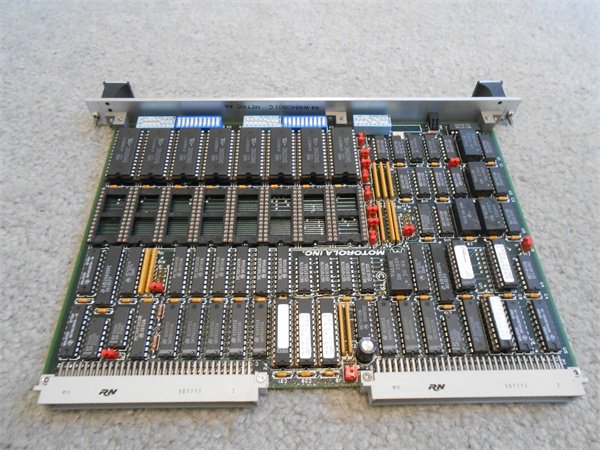
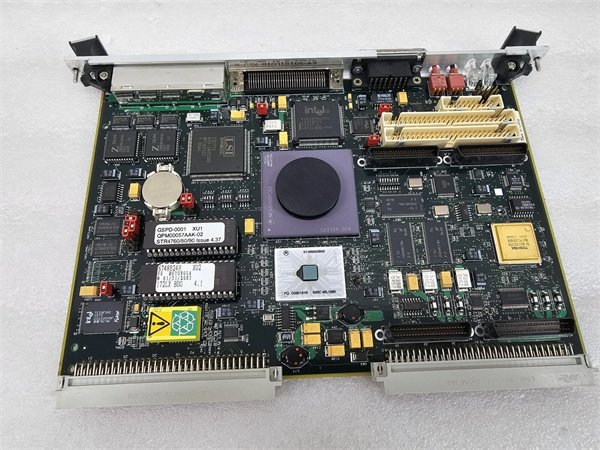
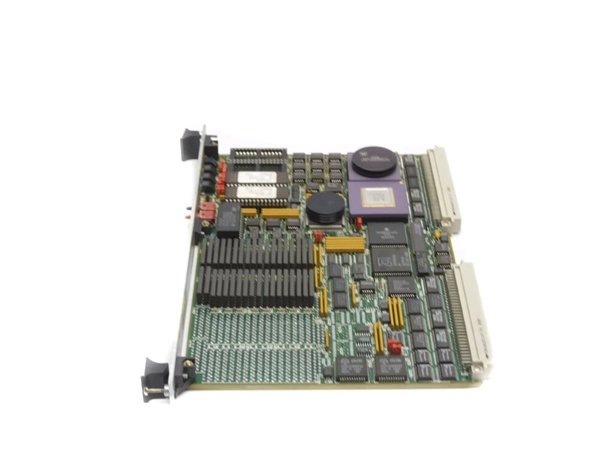
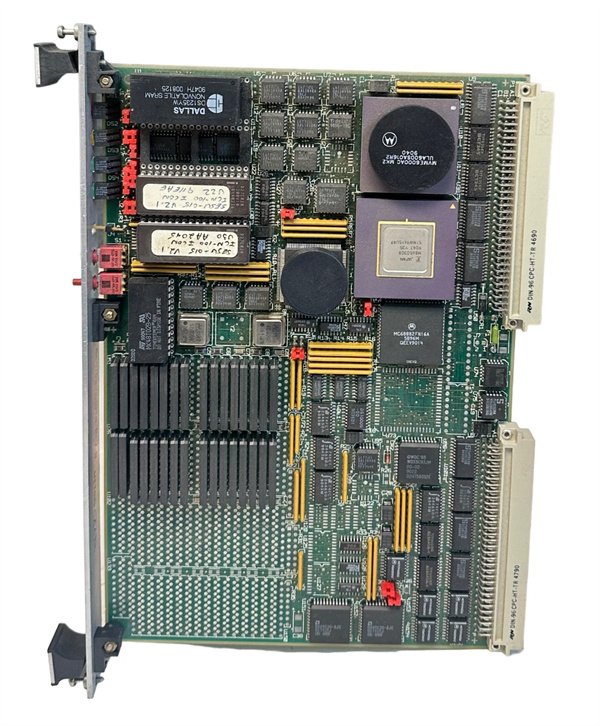
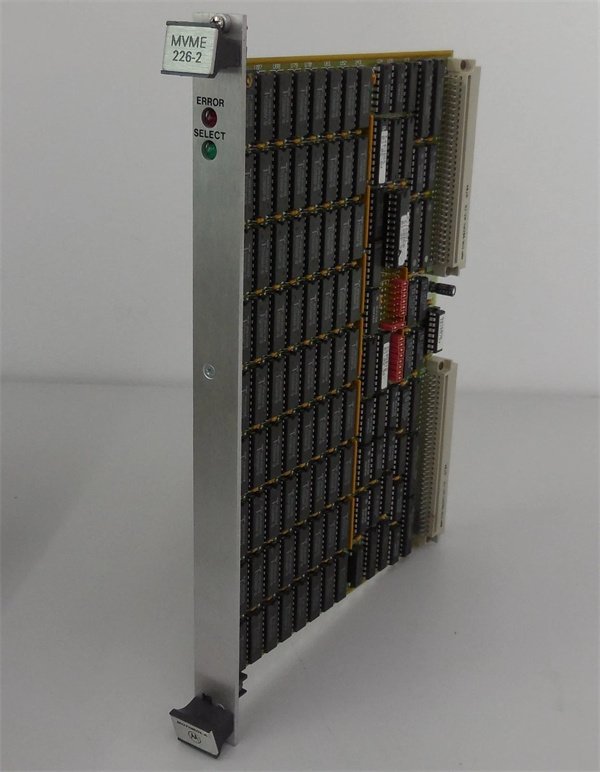
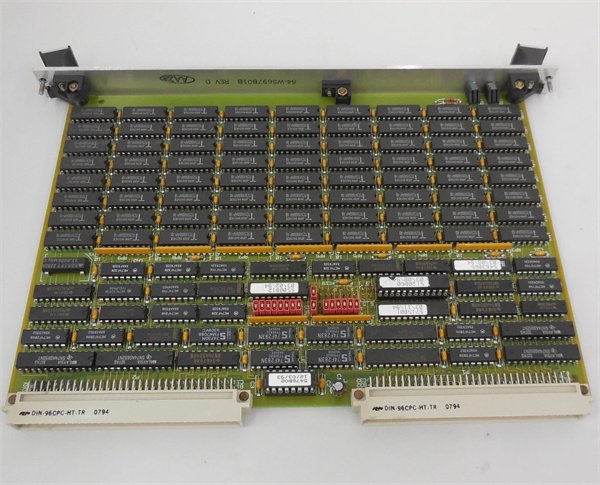
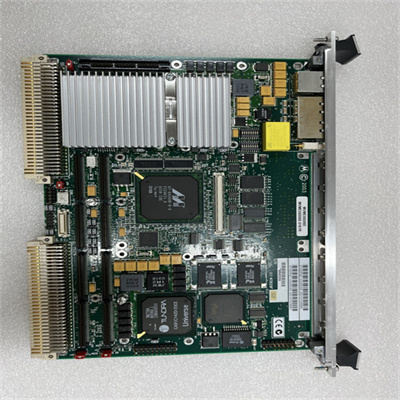
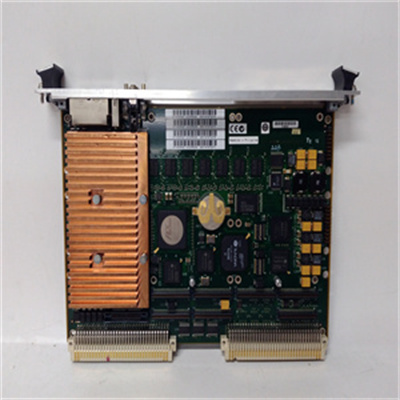
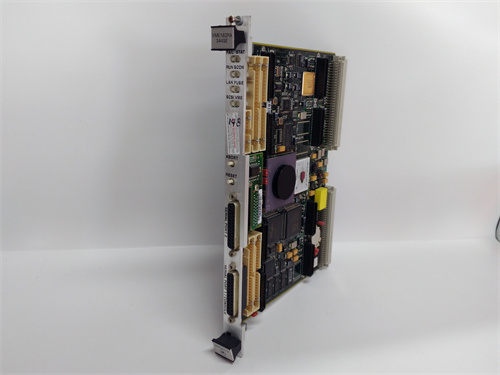
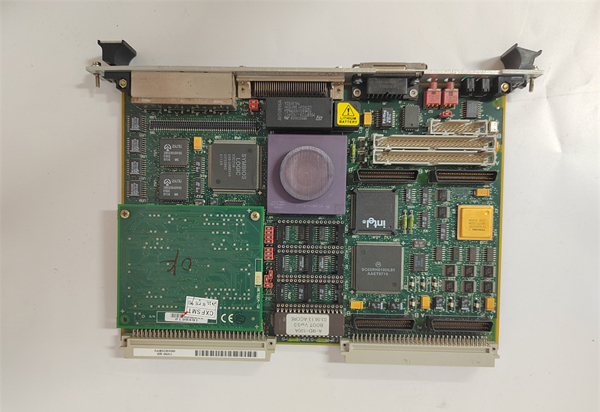
Motorola MVME-226-2 Analog I/O Module
Manufacturer:Motorola
Product Number:Motorola MVME-226-2
Payment Methods:T/T, PayPal, Western Union
Condition:New & In Stock
Warranty:1 Year
Lead Time:1-3 Working Days
Certificate:COO
Courier partners:DHL, UPS, TNT, FedEx and EMS.
Business hours:7*24
Product Description
The Motorola MVME-226-2 is a legacy industrial VMEbus analog I/O module designed for high-precision signal acquisition and control, serving as a critical interface between analog sensors/actuators and digital control systems. As a key model in the Motorola MVME 226 series, Motorola MVME-226-2 integrates 8 differential analog input (AI) channels and 4 analog output (AO) channels in a compact 3U form factor—eliminating the need for separate AI and AO modules to reduce VMEbus slot usage.
In automation systems, Motorola MVME-226-2 acts as a “precision analog bridge”: it converts continuous physical signals (e.g., temperature, pressure, flow rate from sensors) into digital data for host SBCs (such as Motorola MVME-2700-761-I/O) and translates digital control commands from the SBC into analog signals to drive actuators (e.g., variable-speed valves, servo motors). This dual-functionality makes Motorola MVME-226-2 ideal for applications requiring both real-time monitoring and closed-loop control—such as chemical process tanks, laboratory test benches, and industrial heating/cooling systems—where analog signal accuracy directly impacts process quality.
Detailed Parameter Table
| Parameter name | Parameter value |
| Product model | Motorola MVME-226-2 |
| Manufacturer | Motorola (now part of Emerson Industrial Automation) |
| Product category | Legacy Industrial VMEbus Analog I/O Module (combination of analog input + output) |
| Analog Input (AI) | 8 differential channels; Input range: ±5V DC, ±10V DC (configurable per channel); Resolution: 12-bit; Sampling rate: 100 kSPS (single channel), 12.5 kSPS (all channels) |
| Analog Output (AO) | 4 channels; Output range: ±5V DC, ±10V DC, 0–5V DC, 0–10V DC (configurable); Resolution: 12-bit; Output accuracy: ±0.1% full scale |
| Isolation | Channel-to-channel isolation: 250V AC (rms); Module-to-VMEbus isolation: 500V AC (rms); Transient surge protection: 1 kV (1.2/50 µs) |
| Communication Interface | VMEbus A16/D16 slave interface (complies with IEEE 1014-1987); Interrupt-driven data transfer (configurable interrupt vectors) |
| Environmental Requirements | Operating Temp: -10°C–60°C (14°F–140°F); Storage Temp: -40°C–85°C (-40°F–185°F); Humidity: 5%–95% (non-condensing); Vibration: 10–2000 Hz, 1.0 g (rms); Shock: 50 g (peak, 1 ms) |
| Physical Size | 3U VMEbus form factor: 100 mm × 160.0 mm (3.94 in × 6.30 in); Weight: 320 g (0.71 lbs) |
| Power Consumption | Typical: 5 W (25°C, full load); Maximum: 8 W (all AI/AO channels active) |
| Calibration | On-board precision voltage reference (±10V, 0.01% stability); Software-calibratable (no physical potentiometers); Auto-zero correction for AI channels |
| Diagnostic Features | LED indicators (power, AI data ready, AO fault, module status); Built-in over-voltage protection for AO channels; AI channel open-circuit detection |
| Compatible Host SBCs | Motorola MVME-147SB-1, Motorola MVME162-043, Motorola MVME-2700-761-I/O |
Core Advantages and Technical Highlights
High-Precision Analog Signal Handling: Motorola MVME-226-2 delivers 12-bit resolution for both AI and AO channels, with AI sampling rates up to 100 kSPS (single channel) and AO accuracy of ±0.1% full scale. This precision outperforms basic analog modules (e.g., 10-bit resolution) and ensures reliable measurement of subtle signal changes. For example, in a pharmaceutical fermentation tank, Motorola MVME-226-2 can detect 0.1°C temperature fluctuations (via a thermocouple connected to its AI channel) and adjust the heating element’s voltage (via its AO channel) to maintain a stable 37°C—critical for ensuring consistent yeast growth and drug purity.
Flexible Channel Configuration: Each AI channel of Motorola MVME-226-2 supports configurable input ranges (±5V/±10V), while AO channels offer four output ranges (±5V/±10V/0–5V/0–10V)—adapting to diverse sensor/actuator types without hardware modifications. For instance, a water treatment plant can use Motorola MVME-226-2 to monitor pH levels (0–10V input from a pH sensor) and control chemical dosing pumps (4–20 mA output via a signal converter, using the module’s 0–10V AO range). This flexibility reduces inventory costs, as one Motorola MVME-226-2 can replace multiple range-specific modules.
Robust Isolation and Protection: Motorola MVME-226-2 features 250V AC channel-to-channel isolation and 500V AC module-to-VMEbus isolation, preventing ground loops and EMI from disrupting sensitive analog signals or damaging the host SBC. Its AO channels include over-voltage protection (up to 15V), while AI channels detect open circuits—minimizing downtime in harsh environments. In a steel mill, where electrical interference from rolling mills is intense, Motorola MVME-226-2’s isolation ensures accurate measurement of furnace temperature (via a thermistor) and reliable control of cooling water valves—avoiding costly product defects from temperature deviations.
Typical Application Scenarios
In chemical process control, Motorola MVME-226-2 is paired with Motorola MVME162-043 to manage a batch reactor. It connects 6 AI channels to sensors (temperature: ±10V, pressure: 0–5V, pH: 0–10V, and 3 flow rate sensors) and 4 AO channels to actuators (heater: 0–10V, stirrer speed: ±5V, chemical inlet valve: 0–5V, coolant valve: ±10V). The host SBC uses Motorola MVME-226-2’s AI data to run a PID control loop: if reactor temperature exceeds 80°C, the SBC sends a signal to the module’s AO channel to open the coolant valve—maintaining temperature within ±0.5°C. The module’s 12-bit resolution ensures precise chemical dosing, reducing raw material waste by 8% compared to lower-precision modules.
For laboratory material testing, Motorola MVME-226-2 serves as the analog interface for a tensile strength tester. It connects 2 AI channels to load cells (measuring force, ±5V) and displacement sensors (0–10V) and 1 AO channel to a servo motor (controlling test speed, 0–10V). The host SBC (Motorola MVME-147SB-1) logs AI data at 50 kSPS (via the module’s interrupt-driven transfer) to record stress-strain curves, while the AO channel adjusts motor speed to maintain a constant 5 mm/min test rate. Motorola MVME-226-2’s software calibration ensures consistent results across multiple test runs, meeting ASTM standards for material testing accuracy.
Installation Commissioning and Maintenance Instructions
Installation preparation: Before installing Motorola MVME-226-2, verify the VMEbus chassis has an available 3U slot and supports A16/D16 addressing. Confirm the power supply provides stable ±5V/±12V (tolerance ±3%)—use a multimeter to avoid voltage fluctuations that could damage the module’s precision reference. Gather tools: anti-static wristband (to protect analog circuitry), torque screwdriver (0.3 N·m for chassis mounting), precision multimeter (for calibration), and a laptop (for software configuration via the host SBC). Ensure analog sensor/actuator cables are shielded (twisted-pair) to reduce EMI—route them separately from power cables to avoid interference.
Maintenance suggestions: For daily upkeep, check Motorola MVME-226-2’s LEDs—steady power, blinking AI data ready, and no AO fault LEDs indicate normal operation. Perform monthly software calibration (via the host SBC) using a precision signal generator to verify AI/AO accuracy—adjust calibration coefficients if deviations exceed ±0.1%. Clean the module’s exterior quarterly with a dry lint-free cloth (avoid compressed air near connectors). If Motorola MVME-226-2 detects an AO fault (red LED), check for over-voltage conditions or short circuits in the actuator cable. Store spare modules in anti-static bags (15°C–25°C, 40%–60% humidity) to preserve the on-board voltage reference’s stability.
 Loading comments...
Motorola MVME-226-2 Analog I/O Module
Manufacturer:Motorola
Product Number:Motorola MVME-226-2
Payment Methods:T/T, PayPal, Western Union
Condition:New & In Stock
Warranty:1 Year
Lead Time:1-3 Working Days
Certificate:COO
Courier partners:DHL, UPS, TNT, FedEx and EMS.
Business hours:7*24
Product Description
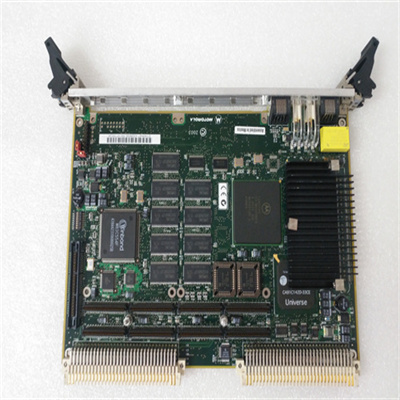
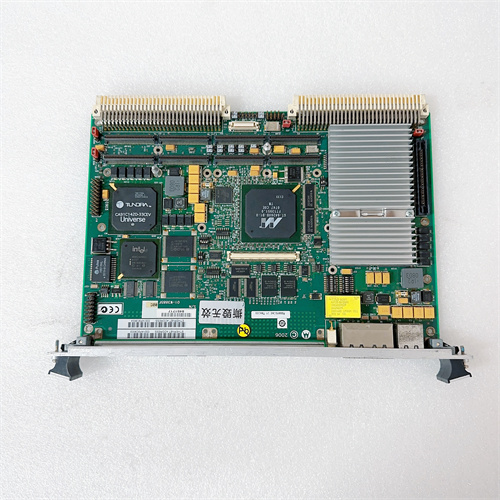
The Motorola MVME-226-2 is a legacy industrial VMEbus analog I/O module designed for high-precision signal acquisition and control, serving as a critical interface between analog sensors/actuators and digital control systems. As a key model in the Motorola MVME 226 series, Motorola MVME-226-2 integrates 8 differential analog input (AI) channels and 4 analog output (AO) channels in a compact 3U form factor—eliminating the need for separate AI and AO modules to reduce VMEbus slot usage.
In automation systems, Motorola MVME-226-2 acts as a “precision analog bridge”: it converts continuous physical signals (e.g., temperature, pressure, flow rate from sensors) into digital data for host SBCs (such as Motorola MVME-2700-761-I/O) and translates digital control commands from the SBC into analog signals to drive actuators (e.g., variable-speed valves, servo motors). This dual-functionality makes Motorola MVME-226-2 ideal for applications requiring both real-time monitoring and closed-loop control—such as chemical process tanks, laboratory test benches, and industrial heating/cooling systems—where analog signal accuracy directly impacts process quality.
Detailed Parameter Table
| Parameter name | Parameter value |
| Product model | Motorola MVME-226-2 |
| Manufacturer | Motorola (now part of Emerson Industrial Automation) |
| Product category | Legacy Industrial VMEbus Analog I/O Module (combination of analog input + output) |
| Analog Input (AI) | 8 differential channels; Input range: ±5V DC, ±10V DC (configurable per channel); Resolution: 12-bit; Sampling rate: 100 kSPS (single channel), 12.5 kSPS (all channels) |
| Analog Output (AO) | 4 channels; Output range: ±5V DC, ±10V DC, 0–5V DC, 0–10V DC (configurable); Resolution: 12-bit; Output accuracy: ±0.1% full scale |
| Isolation | Channel-to-channel isolation: 250V AC (rms); Module-to-VMEbus isolation: 500V AC (rms); Transient surge protection: 1 kV (1.2/50 µs) |
| Communication Interface | VMEbus A16/D16 slave interface (complies with IEEE 1014-1987); Interrupt-driven data transfer (configurable interrupt vectors) |
| Environmental Requirements | Operating Temp: -10°C–60°C (14°F–140°F); Storage Temp: -40°C–85°C (-40°F–185°F); Humidity: 5%–95% (non-condensing); Vibration: 10–2000 Hz, 1.0 g (rms); Shock: 50 g (peak, 1 ms) |
| Physical Size | 3U VMEbus form factor: 100 mm × 160.0 mm (3.94 in × 6.30 in); Weight: 320 g (0.71 lbs) |
| Power Consumption | Typical: 5 W (25°C, full load); Maximum: 8 W (all AI/AO channels active) |
| Calibration | On-board precision voltage reference (±10V, 0.01% stability); Software-calibratable (no physical potentiometers); Auto-zero correction for AI channels |
| Diagnostic Features | LED indicators (power, AI data ready, AO fault, module status); Built-in over-voltage protection for AO channels; AI channel open-circuit detection |
| Compatible Host SBCs | Motorola MVME-147SB-1, Motorola MVME162-043, Motorola MVME-2700-761-I/O |
Core Advantages and Technical Highlights
High-Precision Analog Signal Handling: Motorola MVME-226-2 delivers 12-bit resolution for both AI and AO channels, with AI sampling rates up to 100 kSPS (single channel) and AO accuracy of ±0.1% full scale. This precision outperforms basic analog modules (e.g., 10-bit resolution) and ensures reliable measurement of subtle signal changes. For example, in a pharmaceutical fermentation tank, Motorola MVME-226-2 can detect 0.1°C temperature fluctuations (via a thermocouple connected to its AI channel) and adjust the heating element’s voltage (via its AO channel) to maintain a stable 37°C—critical for ensuring consistent yeast growth and drug purity.
Flexible Channel Configuration: Each AI channel of Motorola MVME-226-2 supports configurable input ranges (±5V/±10V), while AO channels offer four output ranges (±5V/±10V/0–5V/0–10V)—adapting to diverse sensor/actuator types without hardware modifications. For instance, a water treatment plant can use Motorola MVME-226-2 to monitor pH levels (0–10V input from a pH sensor) and control chemical dosing pumps (4–20 mA output via a signal converter, using the module’s 0–10V AO range). This flexibility reduces inventory costs, as one Motorola MVME-226-2 can replace multiple range-specific modules.
Robust Isolation and Protection: Motorola MVME-226-2 features 250V AC channel-to-channel isolation and 500V AC module-to-VMEbus isolation, preventing ground loops and EMI from disrupting sensitive analog signals or damaging the host SBC. Its AO channels include over-voltage protection (up to 15V), while AI channels detect open circuits—minimizing downtime in harsh environments. In a steel mill, where electrical interference from rolling mills is intense, Motorola MVME-226-2’s isolation ensures accurate measurement of furnace temperature (via a thermistor) and reliable control of cooling water valves—avoiding costly product defects from temperature deviations.
Typical Application Scenarios
In chemical process control, Motorola MVME-226-2 is paired with Motorola MVME162-043 to manage a batch reactor. It connects 6 AI channels to sensors (temperature: ±10V, pressure: 0–5V, pH: 0–10V, and 3 flow rate sensors) and 4 AO channels to actuators (heater: 0–10V, stirrer speed: ±5V, chemical inlet valve: 0–5V, coolant valve: ±10V). The host SBC uses Motorola MVME-226-2’s AI data to run a PID control loop: if reactor temperature exceeds 80°C, the SBC sends a signal to the module’s AO channel to open the coolant valve—maintaining temperature within ±0.5°C. The module’s 12-bit resolution ensures precise chemical dosing, reducing raw material waste by 8% compared to lower-precision modules.
For laboratory material testing, Motorola MVME-226-2 serves as the analog interface for a tensile strength tester. It connects 2 AI channels to load cells (measuring force, ±5V) and displacement sensors (0–10V) and 1 AO channel to a servo motor (controlling test speed, 0–10V). The host SBC (Motorola MVME-147SB-1) logs AI data at 50 kSPS (via the module’s interrupt-driven transfer) to record stress-strain curves, while the AO channel adjusts motor speed to maintain a constant 5 mm/min test rate. Motorola MVME-226-2’s software calibration ensures consistent results across multiple test runs, meeting ASTM standards for material testing accuracy.
Installation Commissioning and Maintenance Instructions
Installation preparation: Before installing Motorola MVME-226-2, verify the VMEbus chassis has an available 3U slot and supports A16/D16 addressing. Confirm the power supply provides stable ±5V/±12V (tolerance ±3%)—use a multimeter to avoid voltage fluctuations that could damage the module’s precision reference. Gather tools: anti-static wristband (to protect analog circuitry), torque screwdriver (0.3 N·m for chassis mounting), precision multimeter (for calibration), and a laptop (for software configuration via the host SBC). Ensure analog sensor/actuator cables are shielded (twisted-pair) to reduce EMI—route them separately from power cables to avoid interference.
Maintenance suggestions: For daily upkeep, check Motorola MVME-226-2’s LEDs—steady power, blinking AI data ready, and no AO fault LEDs indicate normal operation. Perform monthly software calibration (via the host SBC) using a precision signal generator to verify AI/AO accuracy—adjust calibration coefficients if deviations exceed ±0.1%. Clean the module’s exterior quarterly with a dry lint-free cloth (avoid compressed air near connectors). If Motorola MVME-226-2 detects an AO fault (red LED), check for over-voltage conditions or short circuits in the actuator cable. Store spare modules in anti-static bags (15°C–25°C, 40%–60% humidity) to preserve the on-board voltage reference’s stability.
Need a Custom Automation Solution?
Our team of experts can design and implement a tailored automation system to meet your specific requirements.