
Our Products
Comprehensive industrial automation solutions for global industries
Contact us
If you are interested in our products and want to know more details,please Contact us,we will reply you as soon as we can.
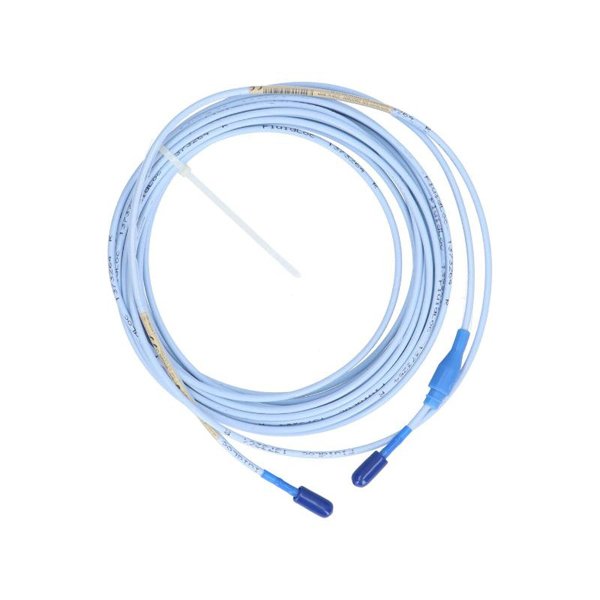
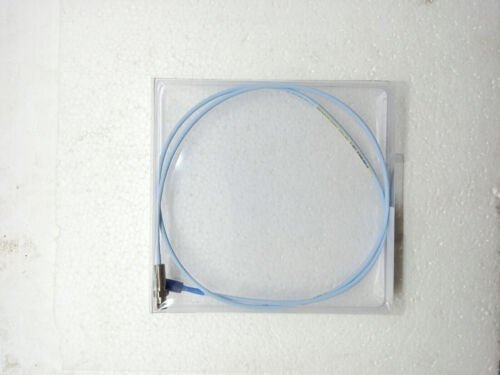
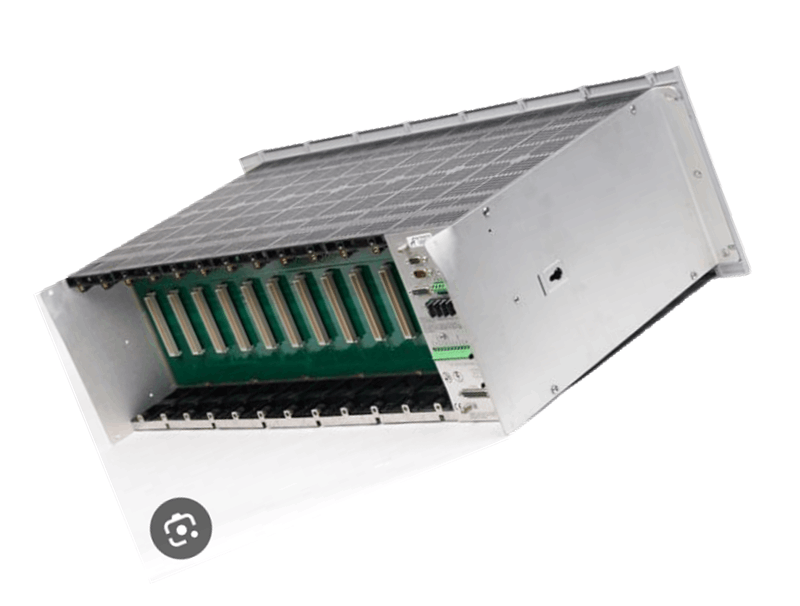
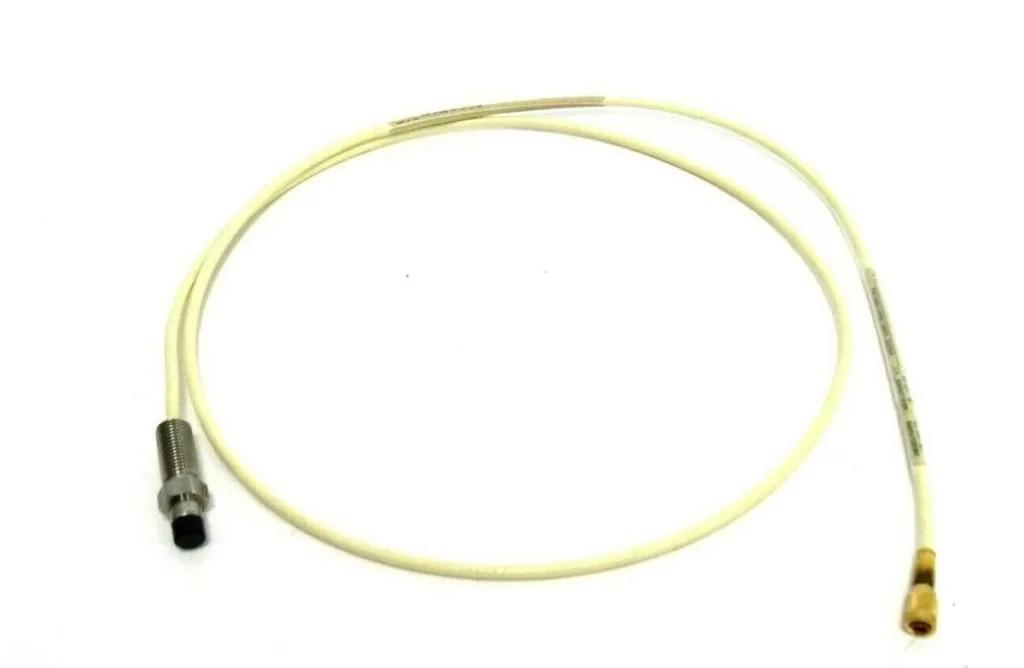
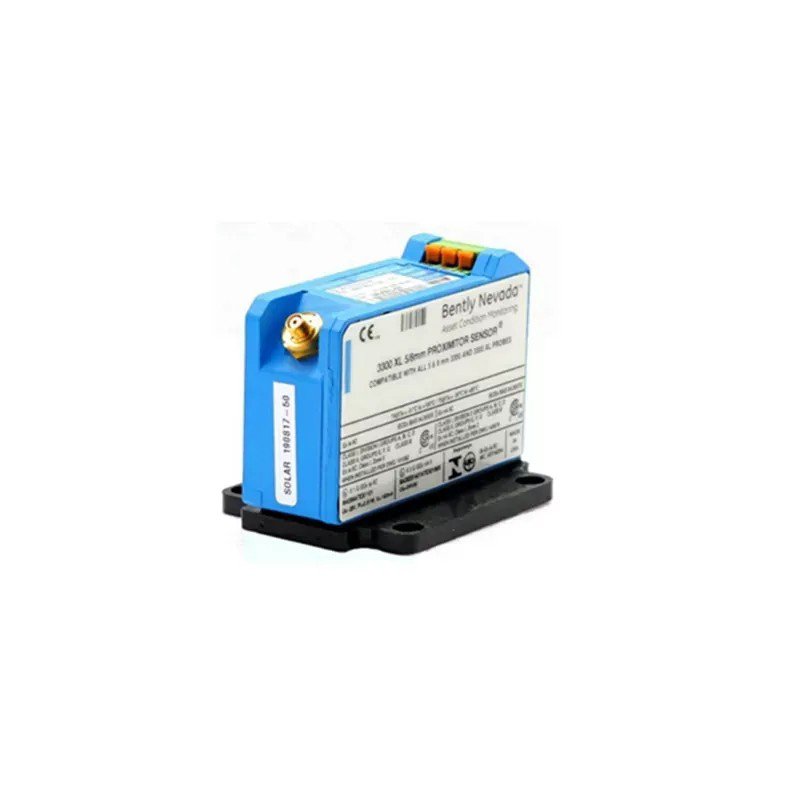
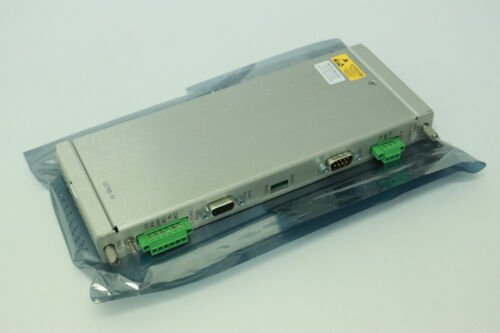
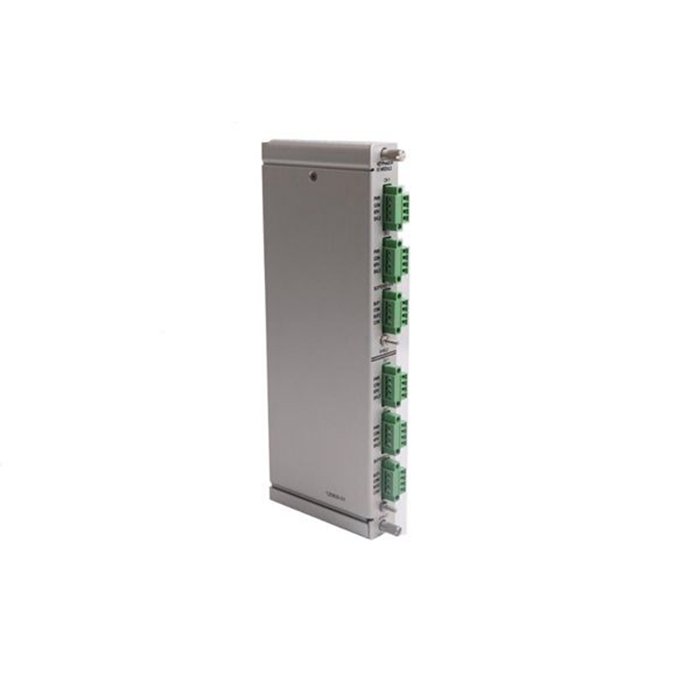
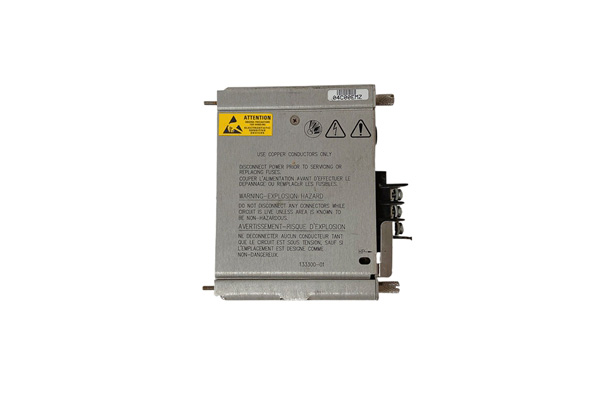
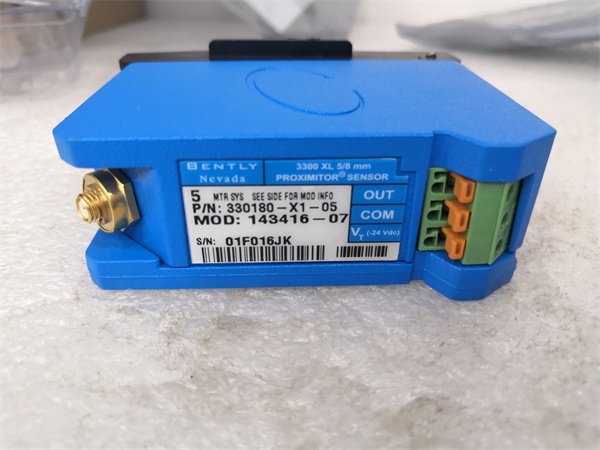
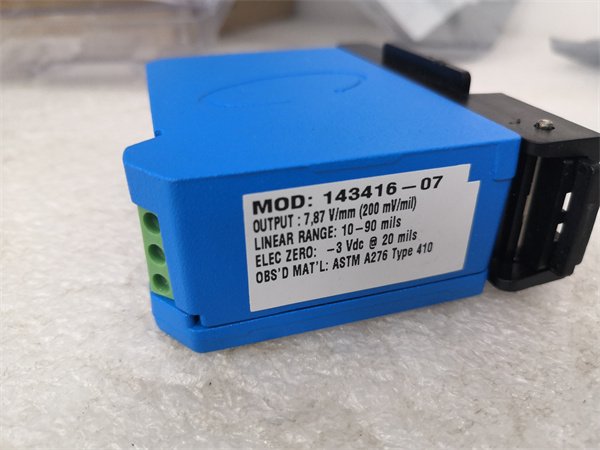
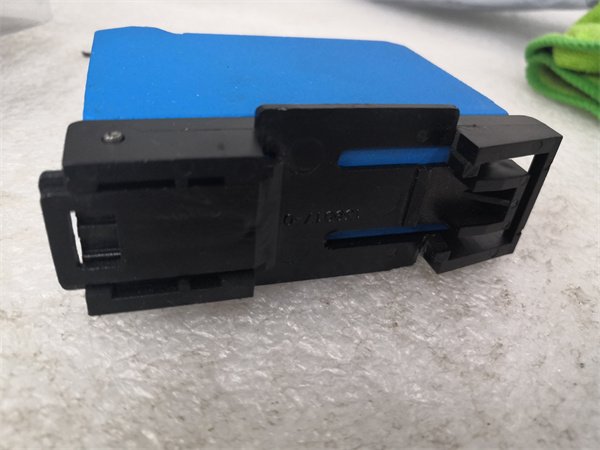
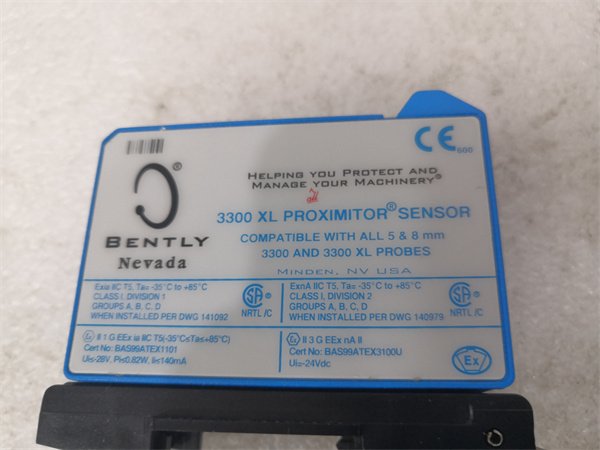
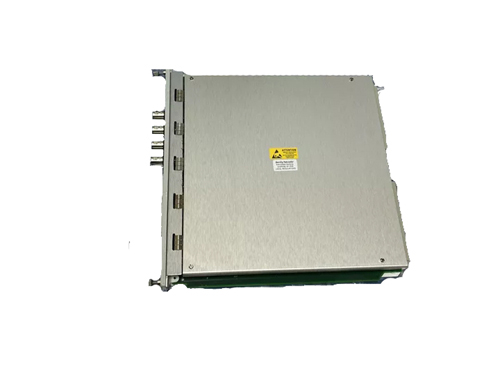
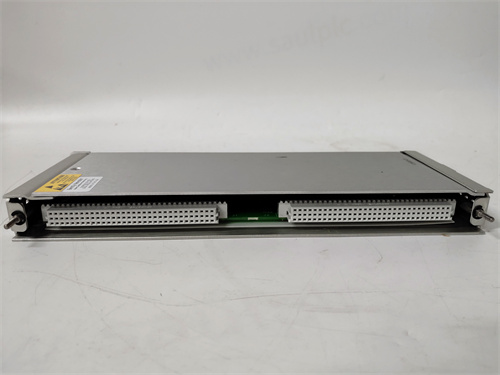
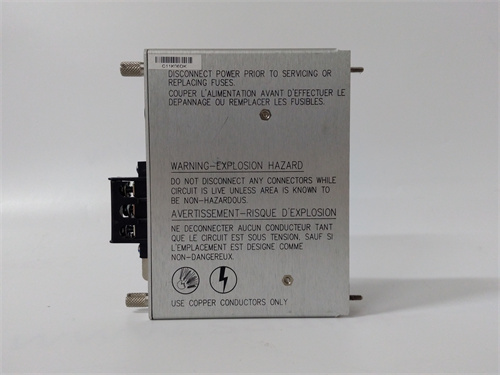
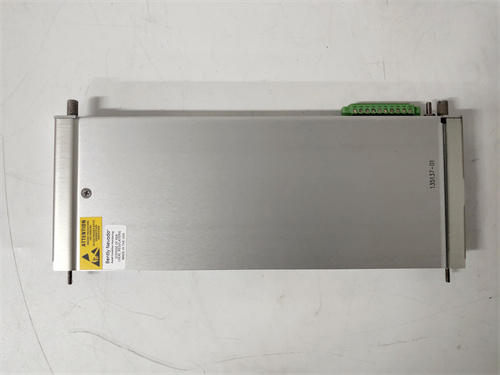
Bently Nevada 330180-X1-CN Proximity Probe Sensor
Manufacturer: Bently Nevada
Product Number: 330180-X1-CN
Category: Proximity Probe Sensor (3300 Series)
Probe Diameter: 8 mm
Measurement Range: 0-2 mm
Frequency Range: 0-10 kHz
Output Sensitivity: 200 mV/mil
Operating Temperature: -40°C to +85°C
Power Supply: -24 V DC
Product Description
The 330180-X1-CN from Bently Nevada is a high-precision proximity probe sensor designed for critical machinery vibration and position monitoring. As part of Bently Nevada’s renowned 3300 series, this sensor plays a foundational role in machinery protection systems by providing accurate measurements of shaft movement, radial vibration, and rotational speed. The 330180-X1-CN serves as the “eyes” of the monitoring system, capturing raw mechanical data that flows through the 3500 ecosystem—ultimately being processed by modules like 3500/44M 176449-03 and transmitted via 3500/05 communication modules for analysis and protection actions.
Bently Nevada’s 330180-X1-CN utilizes eddy current technology to detect the distance between the probe tip and a rotating shaft without physical contact, eliminating wear and ensuring long-term reliability. This non-intrusive measurement method is ideal for monitoring turbines, compressors, motors, and other critical rotating equipment in industrial environments. The sensor’s output signal carries essential machinery health information that forms the basis for condition monitoring, predictive maintenance, and protective shutdown decisions in integrated systems.
Detailed parameter table
| Parameter name | Parameter value |
| Product model | 330180-X1-CN |
| Manufacturer | Bently Nevada |
| Product category | Proximity Probe Sensor for Machinery Vibration Monitoring |
| Measurement type | Radial vibration, shaft position, and speed |
| Probe tip material | Diamond-like carbon (DLC) coated tungsten carbide |
| Operating frequency | 0 Hz to 10 kHz |
| Measurement range | 2 mm (0.08 inches) linear range |
| Sensitivity | 8 mV/mil (315 mV/mm) ±5% |
| Temperature range | -54°C to +121°C (-65°F to +250°F) |
| Cable length | Configurable (standard options available) |
| Connector type | Microdot connector (compatible with system cables) |
| Compatibility | 3500 series modules, 3500/05 communication modules, monitoring systems |
| Certification | UL, CE compliant, RoHS compliant |
| Application | Shaft vibration and position monitoring in rotating machinery |
Core advantages and technical highlights
Superior measurement accuracy: The 330180-X1-CN delivers consistent sensitivity of 8 mV/mil (315 mV/mm) with a maximum error of ±5%, ensuring precise vibration and position measurements across its 2 mm linear range. This accuracy is critical for detecting subtle machinery changes that precede failures, providing early warning for maintenance teams.
Extreme environment durability: With an operating temperature range of -54°C to +121°C (-65°F to +250°F), the sensor thrives in harsh industrial conditions, including high-temperature turbine enclosures and cold ambient environments. Its rugged construction resists vibration, shock, and chemical exposure, maintaining performance in challenging settings where other sensors might fail.
Enhanced probe tip design: The sensor features a diamond-like carbon (DLC) coated tungsten carbide probe tip, which provides exceptional wear resistance and electrical insulation. This coating extends service life by minimizing tip degradation, ensuring stable measurement performance over thousands of operating hours.
Seamless system integration: Designed specifically for Bently Nevada’s monitoring ecosystem, 330180-X1-CN connects seamlessly to 3500 series modules through compatible cables. Its analog output integrates with 3500/44M 176449-03 monitors, which process the raw signals into actionable data that can be transmitted via 3500/05 modules to control systems and asset management platforms.
Typical application scenarios
Turbine shaft vibration monitoring
In power generation facilities, 330180-X1-CN sensors are strategically mounted near turbine bearings to monitor radial vibration and shaft position. These sensors detect subtle rotor movements that indicate imbalance, misalignment, or bearing degradation. The vibration data is transmitted to 3500/44M 176449-03 modules for analysis, with critical alerts routed through 3500/05 communication modules to control rooms. This setup enables operators to track turbine health in real-time and prevent catastrophic failures through timely interventions.
Compressor shaft position monitoring
Oil and gas compressor stations utilize 330180-X1-CN sensors to monitor axial and radial shaft position in centrifugal compressors. By tracking shaft movement relative to bearing housings, the sensors detect potential rubs, impeller imbalance, or thrust bearing wear. The position data, combined with temperature measurements, provides a comprehensive view of compressor health, with trends analyzed via systems connected through 133300-01 interface cables to 3500/05 modules.
Motor condition monitoring
In manufacturing plants, 330180-X1-CN sensors monitor critical production motor shafts to detect early signs of failure. Vibration patterns captured by the sensors reveal issues like rotor bar defects, misalignment, or foundation problems. This data is processed by 3500 modules and shared with plant MES systems via 3500/05 communication modules, allowing maintenance teams to schedule repairs during planned downtime rather than experiencing unplanned production stoppages.
Installation
Mount 330180-X1-CN sensors using appropriate brackets at a fixed distance from the monitored shaft surface (typically within the 2 mm linear range). Ensure proper alignment perpendicular to the shaft to avoid measurement errors. Connect the sensor to monitoring modules using shielded extension cables, routing them away from high-voltage lines and noise sources to preserve signal integrity. Ground the sensor housing and cable shielding according to Bently Nevada specifications to minimize electromagnetic interference.
Calibration
Perform initial calibration of 330180-X1-CN using a calibration fixture and signal conditioner to verify sensitivity (8 mV/mil) and linearity across the measurement range. Record calibration data for future reference. In field applications, use a known target (such as a calibration disc) to confirm sensor output at specific distances. Calibrate sensors annually or whenever measurement discrepancies are detected to ensure data accuracy.
Maintenance
Include 330180-X1-CN in quarterly machinery inspections. Visually inspect sensor tips for wear or contamination, cleaning gently with approved solvents if necessary. Check cable connections for tightness and signs of corrosion, especially in humid environments. Verify sensor output against baseline readings to detect drift or degradation. Replace sensors if calibration fails or if physical damage to the probe tip or cable is observed. Ensure replacement sensors are properly matched to maintain system accuracy.
 Loading comments...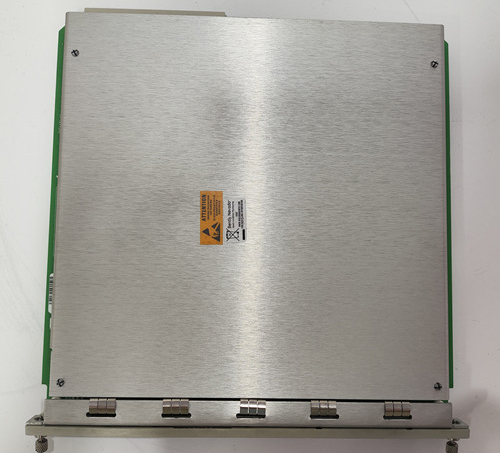
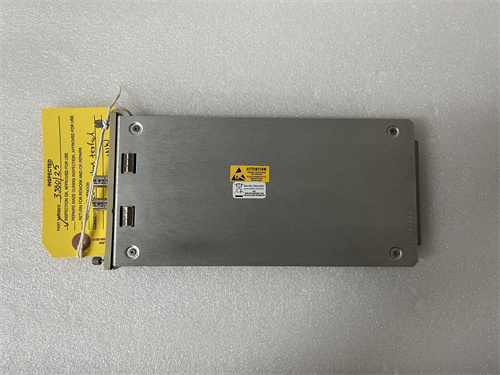
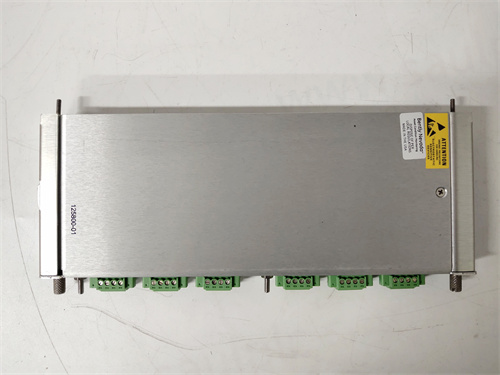
Bently Nevada 330180-X1-CN Proximity Probe Sensor
Manufacturer: Bently Nevada
Product Number: 330180-X1-CN
Category: Proximity Probe Sensor (3300 Series)
Probe Diameter: 8 mm
Measurement Range: 0-2 mm
Frequency Range: 0-10 kHz
Output Sensitivity: 200 mV/mil
Operating Temperature: -40°C to +85°C
Power Supply: -24 V DC
Product Description
The 330180-X1-CN from Bently Nevada is a high-precision proximity probe sensor designed for critical machinery vibration and position monitoring. As part of Bently Nevada’s renowned 3300 series, this sensor plays a foundational role in machinery protection systems by providing accurate measurements of shaft movement, radial vibration, and rotational speed. The 330180-X1-CN serves as the “eyes” of the monitoring system, capturing raw mechanical data that flows through the 3500 ecosystem—ultimately being processed by modules like 3500/44M 176449-03 and transmitted via 3500/05 communication modules for analysis and protection actions.
Bently Nevada’s 330180-X1-CN utilizes eddy current technology to detect the distance between the probe tip and a rotating shaft without physical contact, eliminating wear and ensuring long-term reliability. This non-intrusive measurement method is ideal for monitoring turbines, compressors, motors, and other critical rotating equipment in industrial environments. The sensor’s output signal carries essential machinery health information that forms the basis for condition monitoring, predictive maintenance, and protective shutdown decisions in integrated systems.
Detailed parameter table
| Parameter name | Parameter value |
| Product model | 330180-X1-CN |
| Manufacturer | Bently Nevada |
| Product category | Proximity Probe Sensor for Machinery Vibration Monitoring |
| Measurement type | Radial vibration, shaft position, and speed |
| Probe tip material | Diamond-like carbon (DLC) coated tungsten carbide |
| Operating frequency | 0 Hz to 10 kHz |
| Measurement range | 2 mm (0.08 inches) linear range |
| Sensitivity | 8 mV/mil (315 mV/mm) ±5% |
| Temperature range | -54°C to +121°C (-65°F to +250°F) |
| Cable length | Configurable (standard options available) |
| Connector type | Microdot connector (compatible with system cables) |
| Compatibility | 3500 series modules, 3500/05 communication modules, monitoring systems |
| Certification | UL, CE compliant, RoHS compliant |
| Application | Shaft vibration and position monitoring in rotating machinery |
Core advantages and technical highlights
Superior measurement accuracy: The 330180-X1-CN delivers consistent sensitivity of 8 mV/mil (315 mV/mm) with a maximum error of ±5%, ensuring precise vibration and position measurements across its 2 mm linear range. This accuracy is critical for detecting subtle machinery changes that precede failures, providing early warning for maintenance teams.
Extreme environment durability: With an operating temperature range of -54°C to +121°C (-65°F to +250°F), the sensor thrives in harsh industrial conditions, including high-temperature turbine enclosures and cold ambient environments. Its rugged construction resists vibration, shock, and chemical exposure, maintaining performance in challenging settings where other sensors might fail.
Enhanced probe tip design: The sensor features a diamond-like carbon (DLC) coated tungsten carbide probe tip, which provides exceptional wear resistance and electrical insulation. This coating extends service life by minimizing tip degradation, ensuring stable measurement performance over thousands of operating hours.
Seamless system integration: Designed specifically for Bently Nevada’s monitoring ecosystem, 330180-X1-CN connects seamlessly to 3500 series modules through compatible cables. Its analog output integrates with 3500/44M 176449-03 monitors, which process the raw signals into actionable data that can be transmitted via 3500/05 modules to control systems and asset management platforms.
Typical application scenarios
Turbine shaft vibration monitoring
In power generation facilities, 330180-X1-CN sensors are strategically mounted near turbine bearings to monitor radial vibration and shaft position. These sensors detect subtle rotor movements that indicate imbalance, misalignment, or bearing degradation. The vibration data is transmitted to 3500/44M 176449-03 modules for analysis, with critical alerts routed through 3500/05 communication modules to control rooms. This setup enables operators to track turbine health in real-time and prevent catastrophic failures through timely interventions.
Compressor shaft position monitoring
Oil and gas compressor stations utilize 330180-X1-CN sensors to monitor axial and radial shaft position in centrifugal compressors. By tracking shaft movement relative to bearing housings, the sensors detect potential rubs, impeller imbalance, or thrust bearing wear. The position data, combined with temperature measurements, provides a comprehensive view of compressor health, with trends analyzed via systems connected through 133300-01 interface cables to 3500/05 modules.
Motor condition monitoring
In manufacturing plants, 330180-X1-CN sensors monitor critical production motor shafts to detect early signs of failure. Vibration patterns captured by the sensors reveal issues like rotor bar defects, misalignment, or foundation problems. This data is processed by 3500 modules and shared with plant MES systems via 3500/05 communication modules, allowing maintenance teams to schedule repairs during planned downtime rather than experiencing unplanned production stoppages.
Installation
Mount 330180-X1-CN sensors using appropriate brackets at a fixed distance from the monitored shaft surface (typically within the 2 mm linear range). Ensure proper alignment perpendicular to the shaft to avoid measurement errors. Connect the sensor to monitoring modules using shielded extension cables, routing them away from high-voltage lines and noise sources to preserve signal integrity. Ground the sensor housing and cable shielding according to Bently Nevada specifications to minimize electromagnetic interference.
Calibration
Perform initial calibration of 330180-X1-CN using a calibration fixture and signal conditioner to verify sensitivity (8 mV/mil) and linearity across the measurement range. Record calibration data for future reference. In field applications, use a known target (such as a calibration disc) to confirm sensor output at specific distances. Calibrate sensors annually or whenever measurement discrepancies are detected to ensure data accuracy.
Maintenance
Include 330180-X1-CN in quarterly machinery inspections. Visually inspect sensor tips for wear or contamination, cleaning gently with approved solvents if necessary. Check cable connections for tightness and signs of corrosion, especially in humid environments. Verify sensor output against baseline readings to detect drift or degradation. Replace sensors if calibration fails or if physical damage to the probe tip or cable is observed. Ensure replacement sensors are properly matched to maintain system accuracy.
Need a Custom Automation Solution?
Our team of experts can design and implement a tailored automation system to meet your specific requirements.