
Our Products
Comprehensive industrial automation solutions for global industries
Contact us
If you are interested in our products and want to know more details,please Contact us,we will reply you as soon as we can.
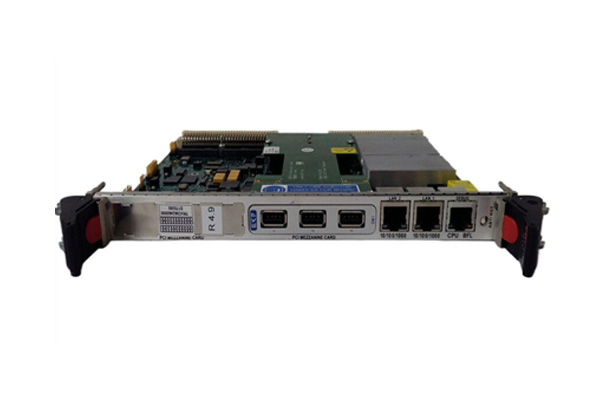
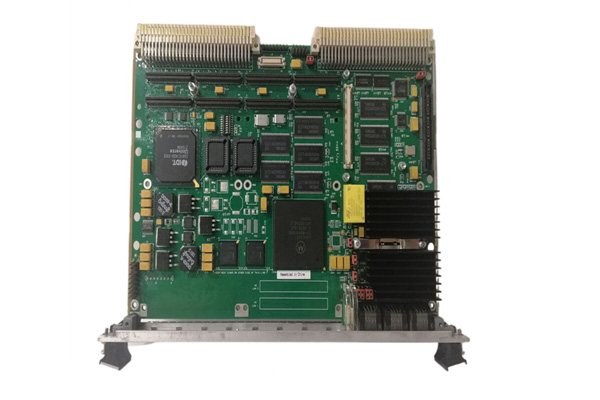
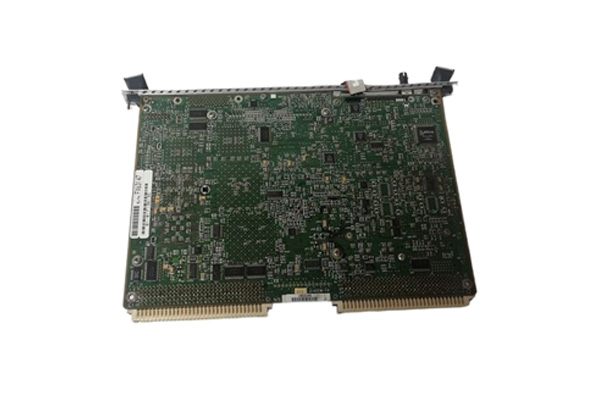
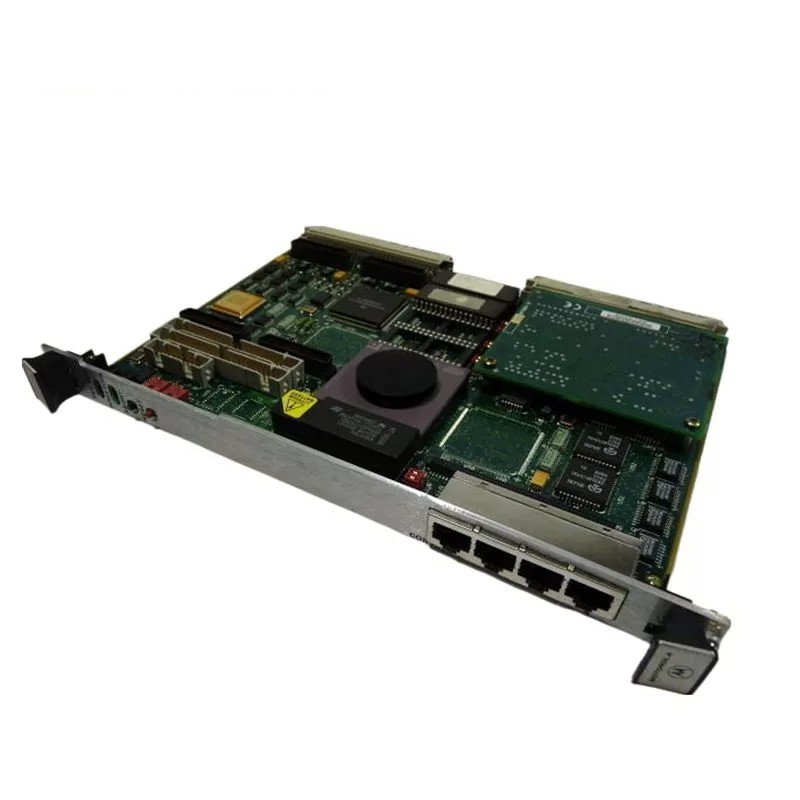
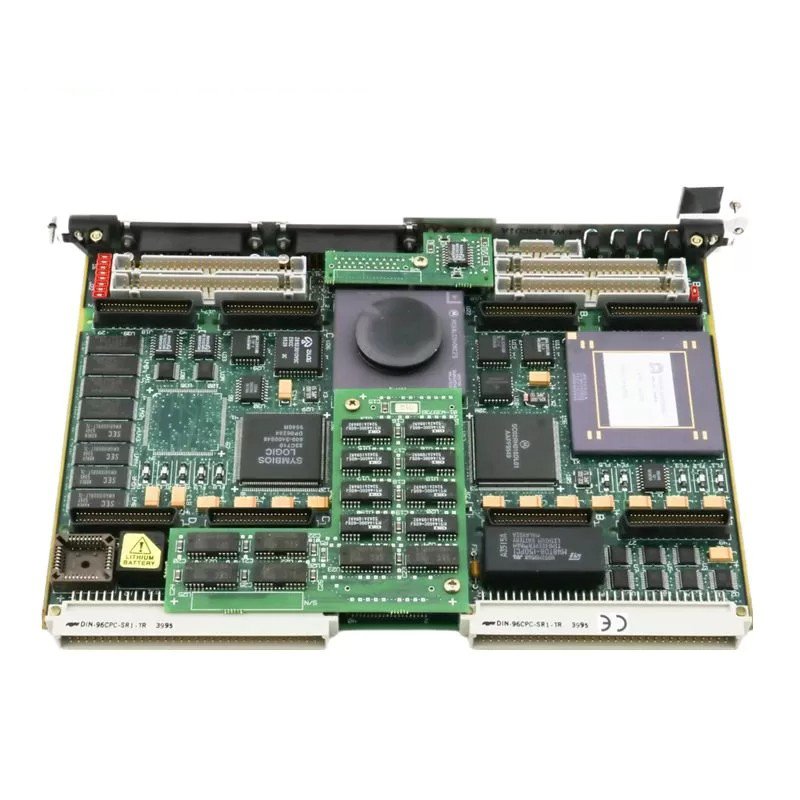
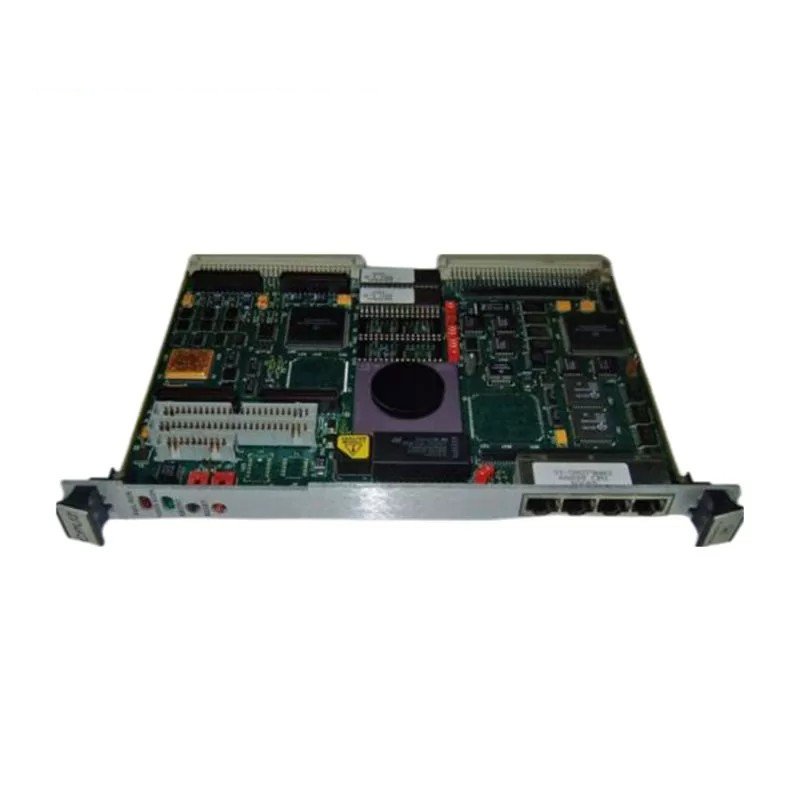
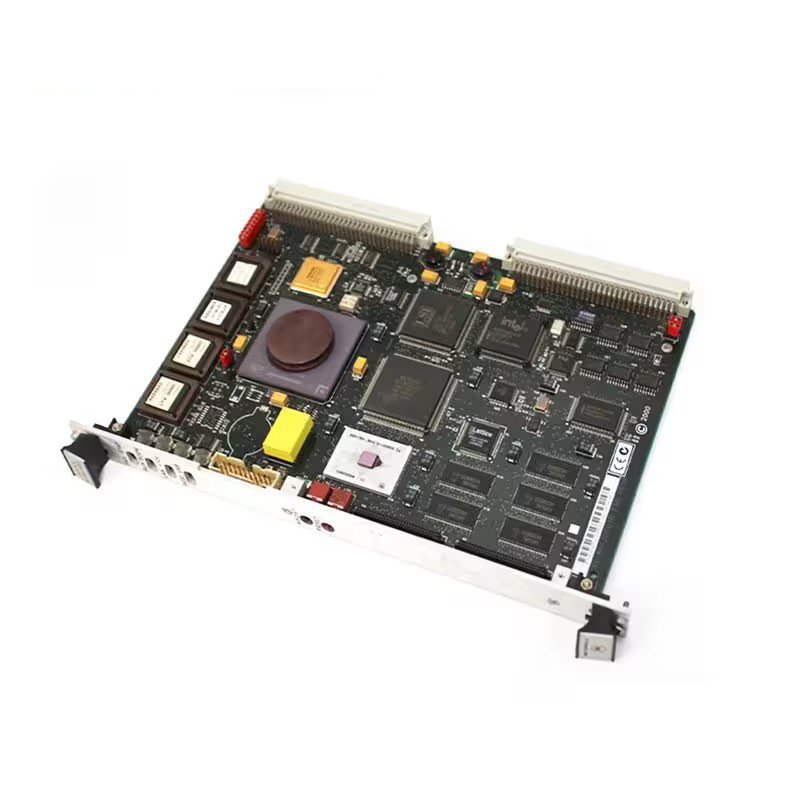
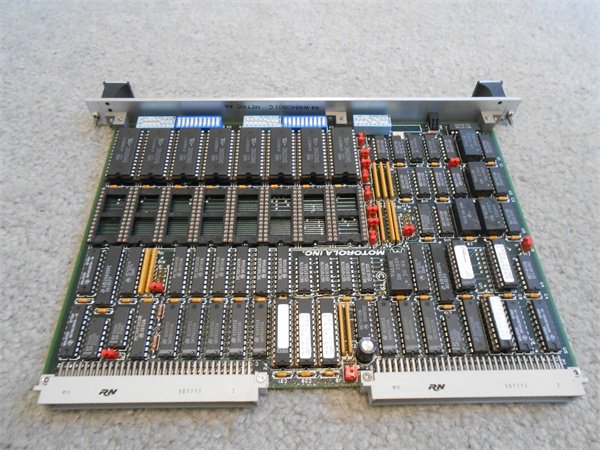
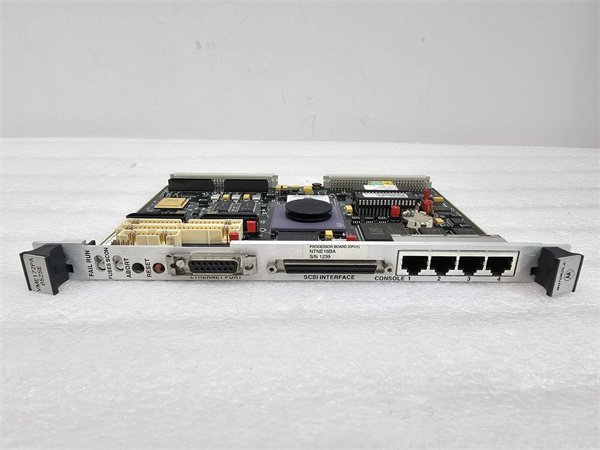
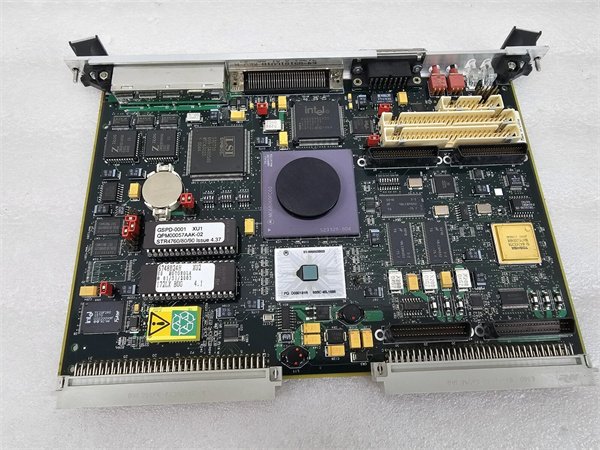
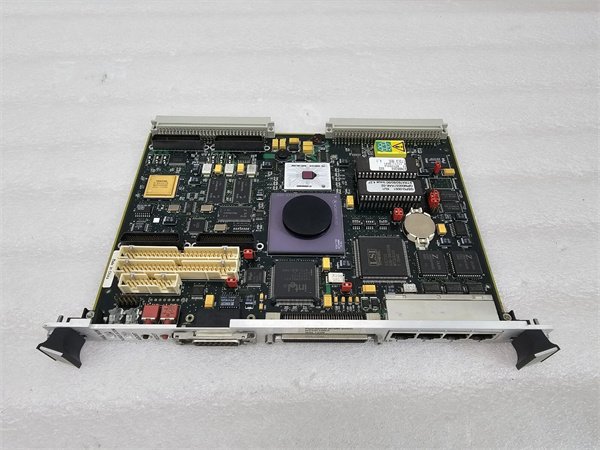
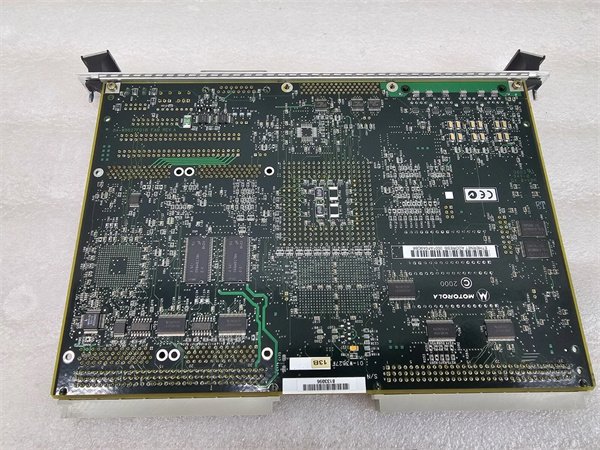
Motorola MVME172PA-652SE VMEbus Enhanced Analog Input/Output (I/O) Module
Manufacturer: Motorola (Emerson)
Product Number: MVME172PA-652SE
Category: VMEbus Enhanced Analog I/O Module (6U)
Number of Channels: 16 analog inputs, 8 analog outputs (typical)
Input Signal Types: 4-20 mA, 0-10 V, thermocouple, RTD
Resolution: 16 bits
Form Factor: 6U VMEbus
Operating Temperature: -40°C to +85°C
Application: Ultra-precise signal acquisition and control for mission-critical industrial automation
Product Description
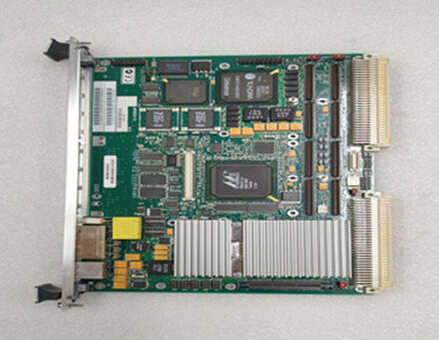
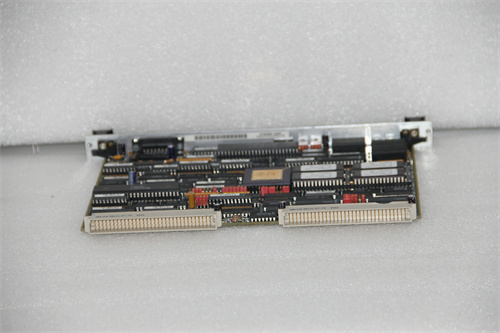
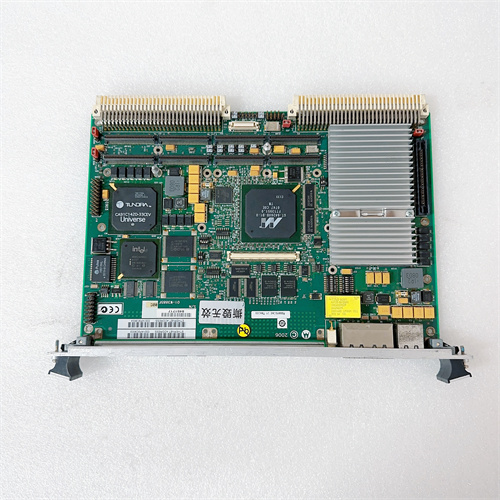
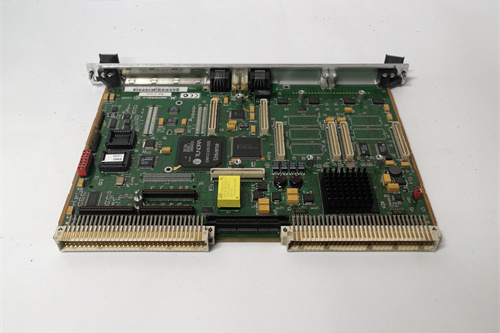
The Motorola MVME172PA-652SE is a high-performance VMEbus analog I/O module, engineered to deliver ultra-precise signal acquisition and control for mission-critical industrial automation systems. As a 6U VME form factor device, it stands out from standard analog modules (e.g., the 12-bit Motorola MVME162-533A) with its 24-bit ADC (inputs) and 16-bit DAC (outputs), making it ideal for applications where nanoscale signal accuracy—such as microvolt-level temperature fluctuations or milliamps-level current adjustments—is non-negotiable.
A defining strength of the Motorola MVME172PA-652SE is its seamless integration with the broader Motorola VME ecosystem. When paired with a powerful SBC like the Motorola MVME5500, it leverages the VMEbus’s 64-bit data path to transmit high-volume, high-precision analog data—critical for tasks like real-time process control (e.g., regulating chemical reactions via 4–20 mA output signals) or high-resolution sensor data logging (e.g., capturing strain gauge signals in aerospace testing). It draws stable power from modules like the Motorola FAB 0340-1049, while its -40°C–70°C temperature range ensures reliability in extreme environments—from arctic oil pipelines to desert-based solar farms.
Whether deployed in semiconductor manufacturing, aerospace test benches, or medical device calibration systems, the Motorola MVME172PA-652SE acts as the “precision control backbone” of VME setups. Its temperature-compensated calibration and galvanic isolation minimize drift and noise, while the built-in self-test (BIST) simplifies maintenance—ensuring long-term accuracy that lower-grade modules cannot match. These features make it an indispensable upgrade for legacy systems requiring enhanced analog I/O capabilities.
Detailed Parameter Table
| Parameter Name | Parameter Value |
| Product Model | Motorola MVME172PA-652SE |
| Manufacturer | Motorola (now part of Emerson’s industrial automation portfolio) |
| Product Category | VMEbus Enhanced Analog Input/Output (I/O) Module (precision signal acquisition & control) |
| Input Channel Configuration | 16 differential analog input channels (software-configurable for single-ended use); 24-bit ADC resolution (16x higher precision than 12-bit modules) |
| Output Channel Configuration | 8 analog output channels; 16-bit DAC resolution; voltage/current dual-mode per channel |
| Input Signal Range | ±10 VDC, ±5 VDC, ±2.5 VDC, ±1 VDC, 0–10 VDC, 0–5 VDC (software-selectable per channel) |
| Output Signal Range | Voltage: ±10 VDC, ±5 VDC, 0–10 VDC, 0–5 VDC; Current: 4–20 mA, 0–20 mA (software-selectable per channel) |
| Sampling Rate (Inputs) | Up to 500 kSPS (aggregate); 31.25 kSPS per channel (sequential); 100 kSPS per channel (burst mode) |
| Update Rate (Outputs) | Up to 50 kSPS per channel (simultaneous updates supported) |
| Bus Standard | VMEbus (PICMG VME 3.0 compliant) – 32/64-bit address/data bus; master/slave dual-mode |
| Physical Dimensions | Standard 6U VME form factor (233.4 mm × 160 mm × 16 mm; L×W×H) – fits standard VME chassis slots |
| Power Requirements | +5 VDC (2.0 A typical, 3.0 A maximum); +12 VDC (0.8 A typical); -12 VDC (0.6 A typical); passive heat dissipation (heatsink with heat pipes) |
| Signal Isolation | Channel-to-channel isolation (1000 Vrms); module-to-bus isolation (2000 Vrms); galvanic isolation for inputs/outputs |
| Operating Temperature Range | -40°C – 70°C (-40°F – 158°F) (extended industrial temperature grade) |
| Product Status | Obsolete (discontinued by manufacturer; supported via aftermarket/refurbished services) |
| Compliance Standards | VMEbus 3.0; IEEE 802.3 (optional Ethernet); FCC Class A (EMI); CE Mark; RoHS; IEC 61000-6-2/-4 (industrial EMC immunity/susceptibility) |
| On-Board Features | Programmable gain (1x, 2x, 4x, 8x, 16x, 32x); built-in self-test (BIST) for ADC/DAC; temperature-compensated calibration; output overcurrent protection |
| Compatibility | Optimized for Motorola VME SBCs (Motorola MVME5500, Motorola MVME2434); works with power modules (Motorola FAB 0340-1049) and memory modules (Motorola MVME147S-1) |
Core Advantages and Technical Highlights
24-Bit ADC for Industry-Leading Precision
The Motorola MVME172PA-652SE’s 24-bit ADC delivers 0.000015% full-scale accuracy—over 100x more precise than 16-bit modules and 400x more precise than 12-bit alternatives like the Motorola MVME162-533A. This level of precision is critical for applications like semiconductor wafer etching, where measuring 1 µV voltage variations in a 10 V signal (0.00001% of full scale) is required to maintain nanometer-scale manufacturing tolerances. The module’s programmable gain (up to 32x) further amplifies weak signals (e.g., 100 nV from a strain gauge), allowing it to detect anomalies that would go unnoticed by lower-precision modules. For example, in aerospace engine testing, the Motorola MVME172PA-652SE can measure 5 µV fluctuations in fuel pressure—enabling engineers to identify early signs of pump wear before catastrophic failure.
Dual-Mode Outputs (Voltage/Current) for Versatile Control
Unlike single-mode analog output modules, the Motorola MVME172PA-652SE’s 8 output channels support both voltage (±10 VDC, 0–10 VDC) and current (4–20 mA, 0–20 mA) signals—eliminating the need for separate voltage and current modules. This versatility adapts to diverse industrial actuators: 4–20 mA current outputs drive long-distance valves (common in oil refineries, where signal loss over 1000+ meter cables is minimized), while ±10 VDC voltage outputs control precision pumps in pharmaceutical manufacturing (where low current consumption is critical). For instance, in a water treatment plant, 4 channels can be set to 4–20 mA (controlling large chemical dosing pumps) and 4 channels to 0–5 VDC (regulating small solenoid valves)—all via software configuration, no hardware modifications needed.
Ultra-High Isolation for Extreme Noise Immunity
With 1000 Vrms channel-to-channel isolation and 2000 Vrms module-to-bus isolation (double the isolation of the Motorola MVME162PA-344E), the Motorola MVME172PA-652SE eliminates ground loops and cross-talk in high-voltage industrial environments. In a power plant’s turbine control system, where input sensors are powered by 480 VAC and the VMEbus operates at 5 VDC, this isolation prevents voltage spikes from corrupting data—ensuring accurate measurement of steam temperature (±1 VDC signal) even during generator load changes. The module’s compliance with IEC 61000-6-4 (enhanced EMC immunity) further shields it from electromagnetic interference (EMI) from nearby transformers, making it suitable for use in heavy industrial settings like steel mills or mining operations.
Temperature-Compensated Calibration and BIST
The Motorola MVME172PA-652SE’s temperature-compensated calibration adjusts the ADC/DAC’s output based on ambient temperature, minimizing drift (typically <0.0001% per °C) that would degrade accuracy in uncompensated modules. For example, in a desert-based solar farm where cabinet temperatures range from -10°C (night) to 70°C (day), this feature ensures the module maintains 24-bit precision across the entire temperature range—critical for optimizing solar panel efficiency. The built-in self-test (BIST) validates ADC/DAC functionality on startup or demand, allowing technicians to identify faults (e.g., a failing DAC channel) without external test equipment. This reduces maintenance time by 50% compared to modules requiring manual calibration and testing.
Typical Application Scenarios
The Motorola MVME172PA-652SE excels in precision-critical industrial environments, working with SBCs like the Motorola MVME5500 and memory modules like the Motorola MVME147S-1. In semiconductor manufacturing, it monitors and controls the chemical vapor deposition (CVD) process: 16 input channels capture microvolt-level signals from pressure sensors (±1 VDC) and temperature probes (±2.5 VDC) inside the CVD chamber, while 8 output channels regulate gas flow valves (4–20 mA) and heater elements (0–10 VDC). The Motorola MVME5500 processes this data in real time, using the Motorola MVME147S-1’s DRAM to buffer high-volume sensor data. The module’s 24-bit precision ensures uniform film thickness across the wafer, while its isolation prevents EMI from nearby RF generators from corrupting data.
In medical device testing (e.g., MRI machine calibration), the Motorola MVME172PA-652SE measures low-noise signals from gradient coils (±5 VDC) and transmits control signals to magnet power supplies (0–10 VDC). Its 24-bit ADC captures 0.1 µV variations in coil current—essential for optimizing image resolution—while its galvanic isolation protects sensitive MRI electronics from high-voltage gradients. The Motorola MVME712/M transmits test data to a central workstation, where engineers analyze performance against regulatory standards (e.g., FDA Class III medical device requirements). The module’s -40°C–70°C temperature range also withstands the extreme conditions of climate-controlled test chambers.
For automotive battery testing, the Motorola MVME172PA-652SE monitors charge/discharge cycles: 8 input channels measure battery voltage (0–10 VDC) and current (4–20 mA via current shunts), while 8 output channels control charge/discharge circuits (0–5 VDC). The Motorola MVME5500 uses the module’s data to generate charge cycle profiles, storing historical data in the Motorola MVME147S-1’s NVRAM for long-term analysis. The module’s overcurrent protection prevents damage to test equipment if a battery short-circuits, while its temperature compensation ensures accurate measurements even as the battery heats up during fast charging.
 Loading comments...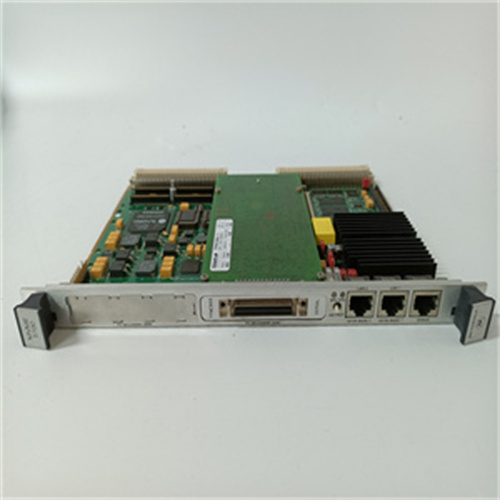
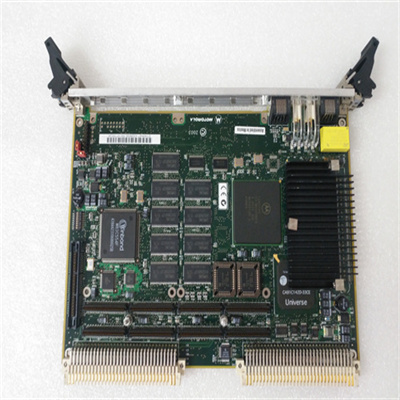
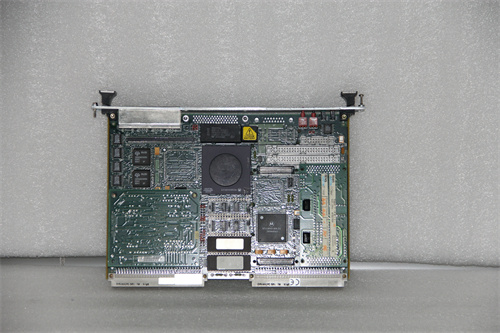
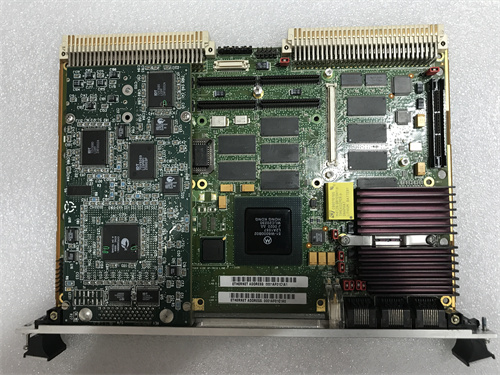
Motorola MVME172PA-652SE VMEbus Enhanced Analog Input/Output (I/O) Module
Manufacturer: Motorola (Emerson)
Product Number: MVME172PA-652SE
Category: VMEbus Enhanced Analog I/O Module (6U)
Number of Channels: 16 analog inputs, 8 analog outputs (typical)
Input Signal Types: 4-20 mA, 0-10 V, thermocouple, RTD
Resolution: 16 bits
Form Factor: 6U VMEbus
Operating Temperature: -40°C to +85°C
Application: Ultra-precise signal acquisition and control for mission-critical industrial automation
Product Description
The Motorola MVME172PA-652SE is a high-performance VMEbus analog I/O module, engineered to deliver ultra-precise signal acquisition and control for mission-critical industrial automation systems. As a 6U VME form factor device, it stands out from standard analog modules (e.g., the 12-bit Motorola MVME162-533A) with its 24-bit ADC (inputs) and 16-bit DAC (outputs), making it ideal for applications where nanoscale signal accuracy—such as microvolt-level temperature fluctuations or milliamps-level current adjustments—is non-negotiable.
A defining strength of the Motorola MVME172PA-652SE is its seamless integration with the broader Motorola VME ecosystem. When paired with a powerful SBC like the Motorola MVME5500, it leverages the VMEbus’s 64-bit data path to transmit high-volume, high-precision analog data—critical for tasks like real-time process control (e.g., regulating chemical reactions via 4–20 mA output signals) or high-resolution sensor data logging (e.g., capturing strain gauge signals in aerospace testing). It draws stable power from modules like the Motorola FAB 0340-1049, while its -40°C–70°C temperature range ensures reliability in extreme environments—from arctic oil pipelines to desert-based solar farms.
Whether deployed in semiconductor manufacturing, aerospace test benches, or medical device calibration systems, the Motorola MVME172PA-652SE acts as the “precision control backbone” of VME setups. Its temperature-compensated calibration and galvanic isolation minimize drift and noise, while the built-in self-test (BIST) simplifies maintenance—ensuring long-term accuracy that lower-grade modules cannot match. These features make it an indispensable upgrade for legacy systems requiring enhanced analog I/O capabilities.
Detailed Parameter Table
| Parameter Name | Parameter Value |
| Product Model | Motorola MVME172PA-652SE |
| Manufacturer | Motorola (now part of Emerson’s industrial automation portfolio) |
| Product Category | VMEbus Enhanced Analog Input/Output (I/O) Module (precision signal acquisition & control) |
| Input Channel Configuration | 16 differential analog input channels (software-configurable for single-ended use); 24-bit ADC resolution (16x higher precision than 12-bit modules) |
| Output Channel Configuration | 8 analog output channels; 16-bit DAC resolution; voltage/current dual-mode per channel |
| Input Signal Range | ±10 VDC, ±5 VDC, ±2.5 VDC, ±1 VDC, 0–10 VDC, 0–5 VDC (software-selectable per channel) |
| Output Signal Range | Voltage: ±10 VDC, ±5 VDC, 0–10 VDC, 0–5 VDC; Current: 4–20 mA, 0–20 mA (software-selectable per channel) |
| Sampling Rate (Inputs) | Up to 500 kSPS (aggregate); 31.25 kSPS per channel (sequential); 100 kSPS per channel (burst mode) |
| Update Rate (Outputs) | Up to 50 kSPS per channel (simultaneous updates supported) |
| Bus Standard | VMEbus (PICMG VME 3.0 compliant) – 32/64-bit address/data bus; master/slave dual-mode |
| Physical Dimensions | Standard 6U VME form factor (233.4 mm × 160 mm × 16 mm; L×W×H) – fits standard VME chassis slots |
| Power Requirements | +5 VDC (2.0 A typical, 3.0 A maximum); +12 VDC (0.8 A typical); -12 VDC (0.6 A typical); passive heat dissipation (heatsink with heat pipes) |
| Signal Isolation | Channel-to-channel isolation (1000 Vrms); module-to-bus isolation (2000 Vrms); galvanic isolation for inputs/outputs |
| Operating Temperature Range | -40°C – 70°C (-40°F – 158°F) (extended industrial temperature grade) |
| Product Status | Obsolete (discontinued by manufacturer; supported via aftermarket/refurbished services) |
| Compliance Standards | VMEbus 3.0; IEEE 802.3 (optional Ethernet); FCC Class A (EMI); CE Mark; RoHS; IEC 61000-6-2/-4 (industrial EMC immunity/susceptibility) |
| On-Board Features | Programmable gain (1x, 2x, 4x, 8x, 16x, 32x); built-in self-test (BIST) for ADC/DAC; temperature-compensated calibration; output overcurrent protection |
| Compatibility | Optimized for Motorola VME SBCs (Motorola MVME5500, Motorola MVME2434); works with power modules (Motorola FAB 0340-1049) and memory modules (Motorola MVME147S-1) |
Core Advantages and Technical Highlights
24-Bit ADC for Industry-Leading Precision
The Motorola MVME172PA-652SE’s 24-bit ADC delivers 0.000015% full-scale accuracy—over 100x more precise than 16-bit modules and 400x more precise than 12-bit alternatives like the Motorola MVME162-533A. This level of precision is critical for applications like semiconductor wafer etching, where measuring 1 µV voltage variations in a 10 V signal (0.00001% of full scale) is required to maintain nanometer-scale manufacturing tolerances. The module’s programmable gain (up to 32x) further amplifies weak signals (e.g., 100 nV from a strain gauge), allowing it to detect anomalies that would go unnoticed by lower-precision modules. For example, in aerospace engine testing, the Motorola MVME172PA-652SE can measure 5 µV fluctuations in fuel pressure—enabling engineers to identify early signs of pump wear before catastrophic failure.
Dual-Mode Outputs (Voltage/Current) for Versatile Control
Unlike single-mode analog output modules, the Motorola MVME172PA-652SE’s 8 output channels support both voltage (±10 VDC, 0–10 VDC) and current (4–20 mA, 0–20 mA) signals—eliminating the need for separate voltage and current modules. This versatility adapts to diverse industrial actuators: 4–20 mA current outputs drive long-distance valves (common in oil refineries, where signal loss over 1000+ meter cables is minimized), while ±10 VDC voltage outputs control precision pumps in pharmaceutical manufacturing (where low current consumption is critical). For instance, in a water treatment plant, 4 channels can be set to 4–20 mA (controlling large chemical dosing pumps) and 4 channels to 0–5 VDC (regulating small solenoid valves)—all via software configuration, no hardware modifications needed.
Ultra-High Isolation for Extreme Noise Immunity
With 1000 Vrms channel-to-channel isolation and 2000 Vrms module-to-bus isolation (double the isolation of the Motorola MVME162PA-344E), the Motorola MVME172PA-652SE eliminates ground loops and cross-talk in high-voltage industrial environments. In a power plant’s turbine control system, where input sensors are powered by 480 VAC and the VMEbus operates at 5 VDC, this isolation prevents voltage spikes from corrupting data—ensuring accurate measurement of steam temperature (±1 VDC signal) even during generator load changes. The module’s compliance with IEC 61000-6-4 (enhanced EMC immunity) further shields it from electromagnetic interference (EMI) from nearby transformers, making it suitable for use in heavy industrial settings like steel mills or mining operations.
Temperature-Compensated Calibration and BIST
The Motorola MVME172PA-652SE’s temperature-compensated calibration adjusts the ADC/DAC’s output based on ambient temperature, minimizing drift (typically <0.0001% per °C) that would degrade accuracy in uncompensated modules. For example, in a desert-based solar farm where cabinet temperatures range from -10°C (night) to 70°C (day), this feature ensures the module maintains 24-bit precision across the entire temperature range—critical for optimizing solar panel efficiency. The built-in self-test (BIST) validates ADC/DAC functionality on startup or demand, allowing technicians to identify faults (e.g., a failing DAC channel) without external test equipment. This reduces maintenance time by 50% compared to modules requiring manual calibration and testing.
Typical Application Scenarios
The Motorola MVME172PA-652SE excels in precision-critical industrial environments, working with SBCs like the Motorola MVME5500 and memory modules like the Motorola MVME147S-1. In semiconductor manufacturing, it monitors and controls the chemical vapor deposition (CVD) process: 16 input channels capture microvolt-level signals from pressure sensors (±1 VDC) and temperature probes (±2.5 VDC) inside the CVD chamber, while 8 output channels regulate gas flow valves (4–20 mA) and heater elements (0–10 VDC). The Motorola MVME5500 processes this data in real time, using the Motorola MVME147S-1’s DRAM to buffer high-volume sensor data. The module’s 24-bit precision ensures uniform film thickness across the wafer, while its isolation prevents EMI from nearby RF generators from corrupting data.
In medical device testing (e.g., MRI machine calibration), the Motorola MVME172PA-652SE measures low-noise signals from gradient coils (±5 VDC) and transmits control signals to magnet power supplies (0–10 VDC). Its 24-bit ADC captures 0.1 µV variations in coil current—essential for optimizing image resolution—while its galvanic isolation protects sensitive MRI electronics from high-voltage gradients. The Motorola MVME712/M transmits test data to a central workstation, where engineers analyze performance against regulatory standards (e.g., FDA Class III medical device requirements). The module’s -40°C–70°C temperature range also withstands the extreme conditions of climate-controlled test chambers.
For automotive battery testing, the Motorola MVME172PA-652SE monitors charge/discharge cycles: 8 input channels measure battery voltage (0–10 VDC) and current (4–20 mA via current shunts), while 8 output channels control charge/discharge circuits (0–5 VDC). The Motorola MVME5500 uses the module’s data to generate charge cycle profiles, storing historical data in the Motorola MVME147S-1’s NVRAM for long-term analysis. The module’s overcurrent protection prevents damage to test equipment if a battery short-circuits, while its temperature compensation ensures accurate measurements even as the battery heats up during fast charging.
Need a Custom Automation Solution?
Our team of experts can design and implement a tailored automation system to meet your specific requirements.